Category: Best Offerings

  • We’ve Got Your Back-Takedowns and Copyright

    We’ve Got Your Back-Takedowns and Copyright

    We’ve Got Your Back – Takedowns and Copyright

    With just a few clicks, your tracks can be live on platforms worldwide. But while the ease of distribution is a huge win for independent artists, it also opens the door to a less talked-about challenge: protecting your music.

    If you’ve ever distributed music online, you’ve likely encountered terms like copyright strikes, takedown notices, and piracy. These can sound intimidating, leaving you wondering how to safeguard your creative work.

    At A3Tunes, we believe your focus should be on creating amazing music, not on constantly policing the internet for unauthorized uses. That’s why we don’t just distribute your music; we actively defend it.

    We tackle takedowns, combat piracy, support artists facing unauthorized uploads, and ensure your music journey is smooth and protected.


    Why Copyright Protection Matters for Artists

    Your music is your livelihood, your art, and your unique expression. Without proper protection, it might be misused, which can lead to significant financial and reputational damage.

    Think of copyright as your legal shield. It grants you exclusive rights to reproduce, distribute, perform, and display your work. It ensures you receive the recognition and compensation you deserve for your effort and talent.


    Common Threats to Your Music

    Piracy

    Piracy occurs when your song appears on platforms like YouTube, SoundCloud, or obscure websites without your permission. It’s like someone stealing your product and giving it away globally.

    Beyond financial loss, piracy weakens your brand and reduces control over your music’s distribution.

    Unauthorized Uploads

    This happens when someone uploads your song or beat to platforms like Spotify or Apple Music, falsely claiming it as their own. These fake releases redirect royalties and undermine your artistic identity.

    Copyright Strikes

    Platforms like YouTube or Facebook issue copyright strikes when a user uploads content that contains copyrighted material without permission. While these systems are designed to protect creators, they can be misused or malfunction, resulting in false claims against original work.


    How This Affects Your Career

    These threats can severely impact your musical journey:

    Revenue Loss: Every unauthorized stream or download means lost income that could fund future projects.

    Damaged Brand Reputation: Pirated or misrepresented music can confuse fans and weaken your credibility.

    Blocked Songs or Disabled Channels: Repeated copyright strikes can result in takedowns or permanent bans from platforms, disconnecting you from your audience.

    Proactive protection is essential. It preserves your art, income, and future.


    What Is DMCA?

    The Digital Millennium Copyright Act (DMCA) is a U.S. law enacted in 1998 to address copyright challenges in the digital age.

    Its “safe harbor” provision shields online platforms from liability as long as they act quickly when receiving valid takedown requests.


    The DMCA Takedown Process

    1. Detect Infringement
    You or A3Tunes discover unauthorized use of your music on a digital platform.

    2. Submit a DMCA Notice
    A formal notice includes:

    • The copyrighted work involved

    • The infringing content’s URL

    • A good faith statement

    • A verification statement

    • Your signature

    3. Platform Review
    The platform investigates and typically removes the content if the notice is valid.

    4. Counter-Notice (If Filed)
    If the uploader believes the claim is invalid, they can issue a counter-notice. Content may be reinstated unless legal action is pursued.

    Acting quickly minimizes your loss of royalties and exposure.


    How A3Tunes Handles Takedowns

    Monitoring

    We use digital crawlers and manual techniques to regularly search for unauthorized uploads.

    Verification

    Before submitting any takedown notice, our team verifies:

    • Metadata

    • Timestamps

    • ISRC codes

    • Ownership details

    Filing

    We draft and send legally accurate takedown notices that prompt platforms to act swiftly.

    Follow-Up

    Our team tracks every request until the infringing content is removed.

    Platforms Covered

    We protect your work across:

    • YouTube

    • SoundCloud

    • Spotify

    • Apple Music

    • Instagram

    • Facebook

    • Download and third-party hosting sites


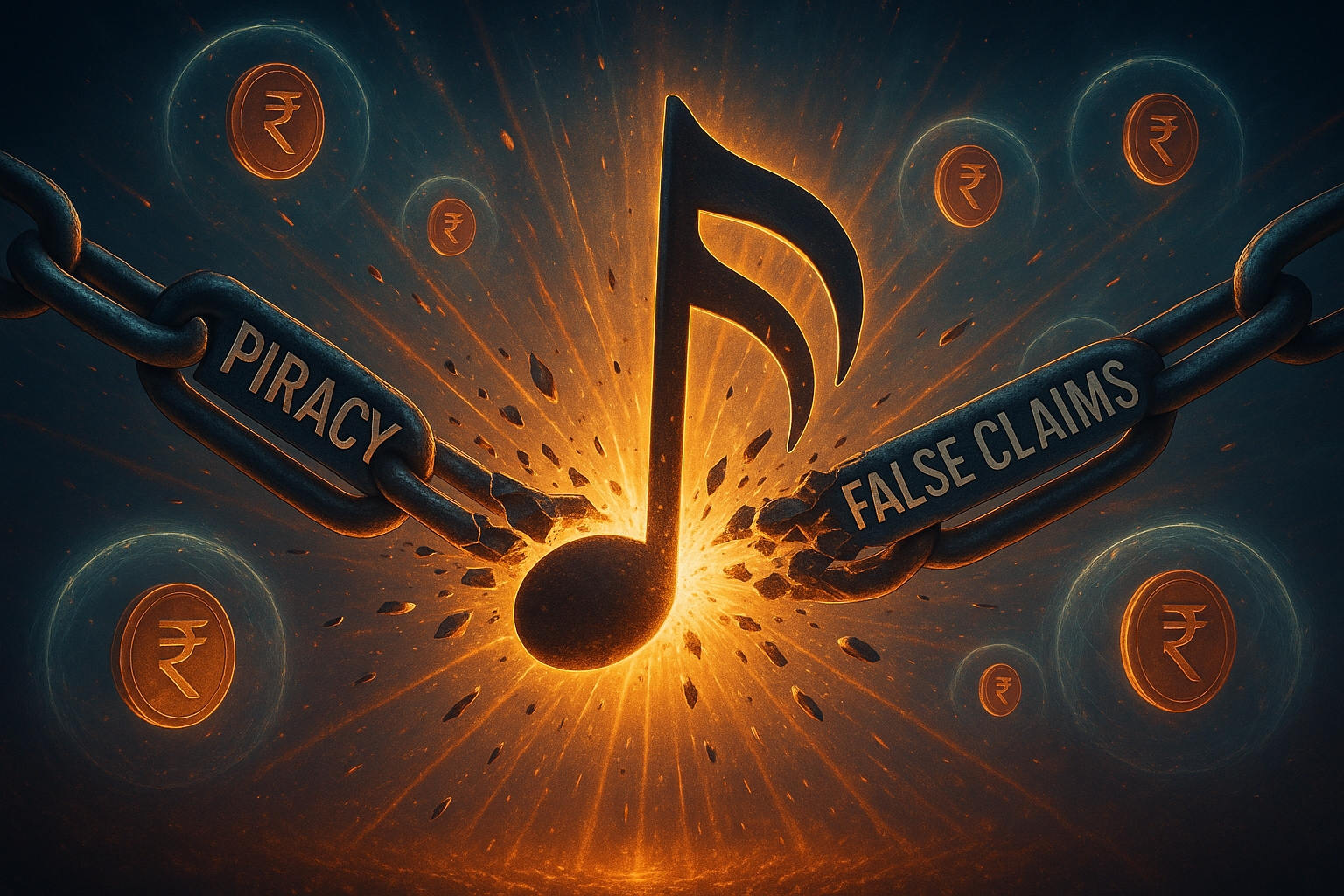
    What About False Copyright Claims?

    Sometimes, artists face false claims. These come from:

    Content ID Errors – Automated systems misidentify your original music.

    Malicious Reporting – Individuals file fake claims to hurt your reputation or restrict your access.

    How A3Tunes Helps

    We respond by:

    • Gathering and organizing evidence

    • Filing a counter-notice

    • Assisting with documentation

    • Following up until your content is reinstated

    Do not ignore a false claim. It can lead to permanent takedowns, demonetization, or account suspension.


    How to Protect Your Music

    While we offer full support, artists should take preventive steps:

    Register Your Work

    In India, register your music through the Copyright Office at IP India.

    Use ISRC Codes

    When you distribute via A3Tunes, each track gets a unique ISRC, serving as a digital fingerprint.

    Use a Trusted Distributor

    Distribute through trusted partners like A3Tunes to generate time-stamped, verifiable records.

    Set Up Google Alerts

    Create alerts for your artist name and track titles to monitor where your music appears.


    You Create, We Protect

    Independent artists enjoy freedom and reach like never before, but protection remains vital.

    At A3Tunes, we ensure that while you focus on making great music, we guard your rights and fight infringement. From detection to takedown, we’ve got your back.

    Ready to secure your music? Sign up with A3Tunes today and let us protect your creativity around the world.

  • Protect Your YouTube & Spotify Songs from Piracy

    Protect Your YouTube & Spotify Songs from Piracy

    Introduction

    In today’s digital-first world, writing song content for platforms like YouTube or Spotify is one of the most accessible paths for artists to reach global audiences. But while digital platforms provide immense exposure, they also present a growing risk: music piracy. Songs can be downloaded, reused, or misattributed without permission, costing creators both recognition and revenue. This blog explores how to guard your songs against such threats while still leveraging the massive reach of these platforms.

    In this comprehensive guide, we’ll break down the risks of publishing music online, explain the most effective protection strategies, and recommend tools to safeguard your content. If you’re serious about creating and sharing music while maintaining full control over your intellectual property, this post is essential. For artists looking for professional production and copyright support, visit A3 Tunes.


    What You Need to Know Before Publishing Your Songs Online

    How Digital Distribution Works for Musicians

    When writing song content for platforms like Spotify or YouTube, your music is distributed via digital aggregators or directly uploaded. Aggregators like TuneCore and DistroKid submit your tracks to streaming services, often including copyright handling and monetization features. Understanding how these platforms manage rights is crucial to safeguarding your work.

    Some artists opt for DIY uploads, especially on YouTube, which increases vulnerability if proper protections aren’t in place. Knowing the behind-the-scenes mechanics of distribution arms you with better control and accountability. For a professional alternative, consider A3 Tunes’ features.


    Why Piracy Is a Growing Threat for Independent Artists

    Digital piracy isn’t limited to megastars. Independent and emerging musicians are just as likely to have their work stolen. With easy-to-use download tools and content scraping bots, your music can be lifted seconds after it goes live.

    Writing song content without considering piracy leaves you open to unauthorized use. This not only dilutes your brand but also disrupts your income stream. Awareness is the first step toward prevention.


    Understanding Copyright Laws and What They Cover

    In most countries, your music is automatically protected under copyright once it is recorded or written down. However, formal registration with copyright offices like the U.S. Copyright Office or performing rights organizations (PROs) adds legal strength.

    Registering protects both lyrics and compositions. It also gives you the right to file infringement claims and receive statutory damages. Ignorance of these laws can cost you dearly in disputes. You can read more about related issues in the A3 Tunes FAQs.


    The Role of Metadata in Protecting Your Songs

    Metadata includes embedded information in your song file such as the artist name, title, genre, and copyright info. This digital signature helps platforms recognize your work and enforce ownership.

    When writing song files, always include comprehensive metadata. This simple step strengthens recognition algorithms and helps track your music across platforms. It’s an overlooked but powerful safeguard.


    How PROs and Digital Fingerprinting Tools Work

    Performing Rights Organizations (like ASCAP, BMI, and SESAC) monitor public performances and collect royalties. Digital fingerprinting tools like YouTube’s Content ID or Audible Magic scan platforms for unauthorized uses.

    Registering with PROs and enabling these tools ensures that your content is monitored and monetized appropriately. They serve as your watchdogs in the digital space, flagging and addressing misuse efficiently.


    Top Strategies to Protect Your Songs on Streaming Platforms

    1. Register Your Songs Before Uploading Them

    Don’t wait until you upload your track to claim ownership. Register your lyrics and compositions with your local copyright office and a PRO beforehand. This gives you documented proof of creation.

    For songwriters, this step is non-negotiable. Writing song materials without backing them legally can lead to future disputes or missed revenue. It’s a simple yet crucial protective measure.


    2. Use Reputable Music Distribution Services

    Select a digital distributor that offers copyright protection, royalty tracking, and reporting tools. Services like TuneCore, CD Baby, and DistroKid are popular for their artist-friendly policies.

    These platforms not only get your songs onto Spotify and YouTube but also help protect and monetize them. Avoid unknown or free distributors that may lack these essential safeguards. You can also explore A3 Tunes’ distribution and pricing options.


    3. Enable Content ID and Other Detection Tools

    YouTube’s Content ID is one of the most effective tools for flagging unauthorized use. It matches your uploaded audio to content across the platform and can auto-monetize it or request takedowns.

    Make sure your distributor enables Content ID on your behalf. This feature is particularly vital for writing song content destined for YouTube, where pirated versions are rampant.


    4. Embed Metadata and Watermarks in Your Files

    Before sharing or uploading, ensure your song files have metadata and, where possible, digital watermarks. These identifiers help prove authorship and ownership.

    Watermarks can be audible or hidden, and they create a traceable link back to you. They act as a digital fingerprint, discouraging theft and enabling legal claims if needed.


    5. Limit Access to Demos and Drafts

    Sharing unfinished work with too many people increases the risk of leaks. Use private links with expiration dates and avoid sending files through unsecured channels.

    Platforms like SoundCloud, Dropbox, or Google Drive allow for password protection and limited access. Being cautious during the writing song phase is just as important as post-release protection.


    6. Monitor Streaming and Download Activity Regularly

    Keep an eye on your song’s performance and availability across platforms. Tools like Spotify for Artists, YouTube Studio, and Chartmetric can show where and how your music is being used.

    Set alerts for unusual activity, especially spikes in unrecognized regions or strange re-uploads. This proactive habit helps detect piracy early and minimize damage.


    7. Include Clear Licensing Terms in Your Descriptions

    When uploading to YouTube or other platforms, use the description box to clearly state the licensing terms of your work. This informs viewers and potential users about how the content can be legally used.

    Writing song descriptions with copyright notices and usage conditions deters casual misuse. It also strengthens your position in legal claims if violations occur.


    8. Engage a Music Lawyer or Copyright Consultant

    For artists serious about protection, consulting with a music attorney can offer tailored legal strategies. They can help draft licensing agreements, handle takedown notices, and advise on international copyright.

    This is particularly useful if you have multiple collaborators or expect widespread distribution. Legal guidance ensures that your rights are ironclad and enforced. If you’d like to explore professional support, contact A3 Tunes.


    9. Use Pre-Save and Time-Stamped Release Tools

    Services that offer time-stamped pre-save campaigns or blockchain-based release tracking help verify when a song was completed or shared. These tools provide chronological evidence in disputes.

    They are useful especially when writing song projects that involve collaboration or staggered releases. Proof of timing can validate ownership claims against infringers.


    10. Educate Yourself and Your Team Continuously

    The music industry and piracy methods are constantly evolving. Staying updated with best practices helps you remain a step ahead. Attend webinars, follow music law blogs, and keep an eye on platform policies.

    Your creative team—from producers to managers—should be aligned with your protection strategy. Collective awareness builds a culture of security around your music.


    Why Trust A3 Tunes to Protect and Promote Your Music

    At A3 Tunes, we specialize in not just producing high-quality tracks but also helping artists secure their work from day one. Our expertise spans copyright registration, metadata optimization, and digital distribution.

    We tailor our services to your needs—from writing song demos to preparing for global streaming. Our team ensures that every step of your release is protected and professional. Visit our about section to see how we can help you share your music confidently and securely.


    Conclusion

    Publishing music online can be one of the most rewarding decisions in your creative journey, but only if it’s done wisely. With piracy on the rise, protecting your songwriting efforts is more important than ever. Fortunately, the strategies outlined above can shield your work while still allowing you to reach and grow your audience.

    By applying legal, technical, and procedural safeguards, you ensure your music stays yours. Take these steps seriously, and let your creativity thrive without compromise. And when you need expert help, A3 Tunes is just a click away.


    FAQs

    How do I protect my songs from being stolen online?
    Register them with copyright agencies, use metadata, and enable tools like Content ID.

    What is Content ID and how does it help?
    It scans YouTube for your song and monetizes or flags unauthorized use.

    Do I need a lawyer to protect my music?
    It’s not mandatory, but a music attorney can greatly strengthen your protection.

    Is it safe to upload demos to SoundCloud?
    Yes, if you use private links and monitor access.

    What kind of metadata should I include?
    Song title, artist name, copyright info, and genre tags.

    Can I register a song I’m still writing?
    You should register the final version, but you can log drafts with date stamps.

    How do I know if someone stole my song?
    Monitor activity through platforms like Chartmetric or Content ID.

    Is DistroKid better than TuneCore for protection?
    Both are reputable; choose based on services like Content ID availability.

    Can I copyright a beat and lyrics separately?
    Yes, both are separate creative elements and can be registered individually.

    Why should I use A3 Tunes?
    We offer end-to-end support for songwriting, production, and copyright protection. Check out our blog for more insights.

  • Writing a Viral Song? Protect It with These Key Tips

    Writing a Viral Song? Protect It with These Key Tips

    Every aspiring musician dreams of writing a song that resonates so deeply it spreads like wildfire across the internet. With the power of social media, streaming platforms, and user-generated content, achieving virality is more possible than ever. But with that explosive reach comes the risk of your song being copied, reused, or monetized without your permission. The thrill of virality can quickly sour without proper content protection in place.

    In this guide, we’ll explore key protection strategies every artist must know when aiming for a viral hit. From the moment you create a song to the second it hits the charts, safeguarding your work is as vital as writing it. Learn how A3Tunes helps artists protect and distribute their music securely and successfully.

    What You Need to Know Before Publishing a Song Online

    Before you share your song with the world, there are several factors to consider that can help secure its integrity and profitability. These considerations are foundational to protecting your viral potential.

    1. Understanding Music Copyright Basics

    Music copyright gives you legal rights over your original composition and recordings. This includes rights to reproduction, distribution, performance, and adaptation.

    Search terms like “music copyright registration” and “song ownership rights” are essential for anyone preparing to publish. Knowing your rights ensures better control over your content.

    2. Differentiating Between Composition and Recording Rights

    Songs have two primary rights: the musical composition and the sound recording. You must secure protection for both elements, especially when collaborating with others.

    Use keywords such as “publishing rights vs. master rights” and “songwriting credit split” to manage collaborations correctly.

    3. The Role of Metadata in Content Attribution

    Metadata—information embedded in your audio file—helps platforms recognize your song and attribute it correctly. It includes details like artist name, title, composer, and copyright info.

    Search for “how to add metadata to music” and “music tagging best practices” to optimize your files before upload.

    4. Risks of Sharing Unprotected Demos

    Sending demos without legal protection can lead to theft or unauthorized use. Even trusted collaborators can unintentionally compromise your content.

    Look into “protecting music demos” and “safe song sharing” practices before releasing your work.

    5. The Importance of Music Licensing Platforms

    Licensing platforms ensure that your songs are used legally in media, performances, and other commercial formats. They act as intermediaries to monetize and protect your content.

    Use phrases like “music licensing companies” and “song licensing services” when researching platforms for viral-ready content, or explore the key features of A3Tunes to see how they can help.

    Best Practices for Protecting a Viral-Ready Song

    Once your song is polished and ready to launch, implement these actionable steps to shield it from piracy and unauthorized exploitation.

    Register Your Song with a Copyright Office

    Official registration solidifies your legal claim and gives you the ability to pursue infringement cases more effectively.

    Keywords: “how to register a song copyright” and “benefits of copyright registration.”

    Embed Digital Watermarks in Your Audio

    Watermarking your song helps track and identify unauthorized copies. It’s an invisible marker that travels with your audio wherever it’s played.

    Search for “digital watermarking for music” and “song tracking technology.”

    Use Distribution Platforms That Support Rights Management

    Select platforms like A3Tunes that provide content ID tracking, rights management, and piracy prevention tools built into their distribution services.

    Terms like “secure music distribution” and “music publishing protection” are vital.

    Monitor Online Usage with Anti-Piracy Tools

    Using detection software and anti-piracy services helps you stay aware of how and where your music is being used online.

    Explore “music content monitoring” and “piracy protection software for musicians.”

    File DMCA Notices When Necessary

    When unauthorized use occurs, a DMCA takedown notice can get your content removed from infringing sites or platforms.

    Keywords: “DMCA template for musicians” and “how to issue music takedown notices.”

    Why Choose A3Tunes for Viral Song Protection

    A3Tunes understands the unique challenges artists face in today’s digital music landscape. From pre-release planning to post-viral enforcement, their services are designed to help you navigate content distribution securely.

    With tools for digital watermarking, secure distribution, and real-time piracy monitoring, A3Tunes empowers artists to focus on creation while ensuring their music remains protected and profitable. Explore their services now to safeguard your next viral hit, or contact their team directly to learn more.

    Conclusion

    Going viral is a dream come true—but it shouldn’t become a legal or financial nightmare. By taking proactive steps to protect your music before and after publication, you maintain control over your art and your earnings. Copyright registration, metadata optimization, secure platforms, and legal support are key pillars of content protection.

    Partnering with A3Tunes adds a professional layer of defense, allowing you to create and share freely. Don’t let your viral moment be the gateway to piracy. Prepare, protect, and publish with confidence.

    FAQs About Protecting Viral Songs

    How do I protect a song before it goes viral?
    Register the song, add metadata, use secure platforms, and apply digital watermarking.

    What happens if someone steals my viral song?
    You can file DMCA takedown notices or pursue legal action if your song is registered.

    Do I need to copyright both the lyrics and music?
    Yes, protect both the composition and the sound recording for full coverage.

    What’s metadata and why is it important?
    Metadata is embedded song info that ensures correct attribution and tracking.

    Can I protect a demo version of a song?
    Yes, use NDAs when sharing and register even unfinished versions when necessary.

    What are digital watermarks?
    Invisible data embedded in your audio to help identify and trace unauthorized usage.

    What platforms help with music rights management?
    Choose services like A3Tunes that integrate rights tracking and secure publishing.

    How can I monitor if my song is being used illegally?
    Use music monitoring tools and anti-piracy services to detect unauthorized usage.

    Is DMCA effective for international piracy?
    It can help, but international enforcement may require legal support.

    Why trust A3Tunes with song protection?
    They offer specialized tools and expertise to secure your music from creation to global release. Learn more on their FAQ page or browse their blog resources for deeper insights.

  • Songwriting in the Digital Age: Protecting Creativity Online

    Songwriting in the Digital Age: Protecting Creativity Online

    Introduction

    In today’s hyper-connected world, writing songs isn’t just about melody and lyrics; it’s about navigating a digital maze where creativity meets technology. Aspiring musicians and seasoned songwriters alike are composing, collaborating, and publishing music online faster than ever before. But with such convenience comes the risk of unauthorized use, idea theft, and a loss of creative control. If you’ve ever feared your song idea might get stolen the moment it hits the web, you’re not alone. Writing song lyrics or melodies online demands awareness, strategy, and a protective mindset.

    This blog explores the intricate world of songwriting in the digital realm, offering you practical insights on how to safeguard your musical creations. From understanding the digital landscape to actionable tools that defend your content, we’ll guide you through every step. Whether you’re new to songwriting or looking to up your protection game, you’ll find this guide helpful and empowering. A3Tunes is committed to supporting artists like you with secure and innovative tools – visit A3Tunes to learn how we help protect your musical journey.

    Things to Know Before Writing Songs Online

    Writing a song is an artistic expression, but when shared online, it becomes part of a global marketplace. Before you even begin to upload, share, or collaborate digitally, it’s essential to understand the environment you’re entering. This section breaks down the foundational knowledge you need before diving into digital songwriting.

    Understanding Digital Copyright Basics

    Copyright laws apply the moment your song is fixed in a tangible form, such as a digital file or recorded performance. This provides automatic protection, but formal registration strengthens your rights. In the digital space, it’s crucial to understand how platforms handle copyright claims and disputes. Secondary keywords: song copyright, music protection.

    Equally important is knowing the difference between protecting lyrics, melodies, and arrangements. Each component has its own legal considerations. Digital platforms like YouTube and SoundCloud have content ID systems, but they’re not foolproof. Knowing your rights early helps you navigate disputes and assert ownership confidently. You can also explore resources in the A3Tunes FAQ for additional guidance.

    Choosing the Right Collaboration Tools

    Collaborating on songwriting online requires trust and the right platforms. Tools like Google Docs, Splice, or Soundtrap offer version control and timestamped changes that can act as informal proof of authorship. Secondary keywords: collaboration software, songwriting tools.

    Avoid using platforms that lack history tracking or offer little user security. Look for encrypted communication, version logs, and permission settings. Choosing tools with built-in IP protection features can save you legal trouble later and make your collaborations more professional. For a secure ecosystem, check out A3Tunes’ features.

    Securing Your Lyrics and Audio Files

    Before sharing your lyrics or audio files, encrypt or watermark them. Services like Dropbox or Google Drive allow controlled sharing and track file access. Secondary keywords: file encryption, lyrics security.

    You can also embed metadata in your audio files to help prove authorship. Using trusted storage solutions reduces the risk of leaks or accidental exposure. Never share raw drafts publicly unless they’re secured and labeled clearly with your copyright claims. The A3Tunes blog has further tips on secure sharing best practices.

    Protecting Song Ideas with NDAs

    Non-disclosure agreements (NDAs) are essential when pitching or co-writing songs, especially with new collaborators or producers. They legally bind parties from disclosing or using ideas without consent. Secondary keywords: song NDA, music contract.

    NDAs may seem overcautious, but they are a staple in the industry. They demonstrate professionalism and intent. Templates are widely available online, or you can use legal platforms to draft them affordably. Always prioritize your ownership and clarity from the outset. For questions on protecting your work, consider contacting A3Tunes.

    Using Blockchain and Timestamping Tools

    Blockchain-based tools like A3Tunes offer immutable timestamping of your musical content, proving you created it at a certain point in time. This is a powerful way to secure your rights without relying solely on traditional methods. Secondary keywords: blockchain music, timestamp proof.

    These tools also support smart contracts, allowing automatic royalty distribution and licensing enforcement. Integrating blockchain into your creative process shows you’re serious about innovation and protection. It’s a cutting-edge step that gives you a digital edge.

    Tips to Write Songs While Staying Secure Online

    Now that you’re prepared, let’s explore the actual practices and strategies that help you write songs effectively while staying protected. These tips are practical, actionable, and tailored to the digital environment.

    Use Secure Cloud Storage and Backups

    Always save your song drafts in secure, password-protected cloud services like iCloud, Google Drive, or OneDrive. Enable two-factor authentication for extra security. Secondary keywords: secure storage, cloud backups.

    Back up your files regularly to avoid loss from technical issues or hacks. Use multiple locations for redundancy. Secure cloud storage helps keep your creative content safe from data breaches or unauthorized edits.

    Keep an Organized Version History

    Track your progress by maintaining clear version histories. Save drafts with timestamps and use naming conventions like “Song_Title_V1”. Secondary keywords: version control, file management.

    Organized versioning makes it easier to defend authorship claims and revisit previous ideas. Many collaborative tools also auto-track versions, which adds a layer of security and creative tracking.

    Register Your Work Early

    Don’t wait to publish before protecting your work. Use copyright offices or digital services to register your lyrics and compositions. Secondary keywords: song registration, digital copyright.

    Early registration acts as a legal safeguard in case of disputes. It gives you leverage in takedown notices or legal conflicts. Consider registering rough drafts if you share them in open forums. You can learn more about your options with A3Tunes.

    Avoid Oversharing on Public Platforms

    Platforms like TikTok or Instagram are great for visibility but risky for unfinished content. Avoid posting unreleased songs or ideas in full. Secondary keywords: music leaks, social media risks.

    If you must share, use teasers or watermarked clips. Protect your core ideas until you’re ready for an official release. Many songs have been plagiarized due to premature exposure.

    Collaborate Through Verified Communities

    Join songwriting communities that verify member identities and offer built-in protections. A3Tunes, for instance, provides secure collaboration features that help track contributions. Secondary keywords: verified collaboration, safe music community.

    These platforms reduce your exposure to bad actors and provide a professional space for networking. Reputation-based systems also help you choose trusted partners and grow your network.

    Why Choose A3Tunes to Protect and Share Your Songs

    A3Tunes is a cutting-edge platform designed for modern musicians who value both creativity and protection. With blockchain integration, timestamping tools, and secure collaboration features, it ensures that your songwriting process remains your own. Whether you’re uploading lyrics, sharing audio, or co-writing with peers, A3Tunes gives you peace of mind and professional-grade security.

    In addition to protecting your content, A3Tunes helps you grow your network, monetize your music, and explore opportunities with verified partners. It’s more than just a storage tool; it’s a creative ecosystem built for today’s digital songwriter. By choosing A3Tunes, you’re taking a decisive step toward owning and securing your musical future. You can review their flexible pricing options for all levels of creators.

    Conclusion

    Writing songs in the digital age is both thrilling and challenging. While the internet offers limitless tools and audiences, it also comes with risks that can jeopardize your hard work. Understanding digital copyright, using secure tools, and adopting smart practices can make all the difference. This blog has shown you how to merge creativity with caution, ensuring your art remains protected.

    As you continue your songwriting journey, remember that you don’t have to do it alone. Tools like A3Tunes are built to support you at every step, from inspiration to publication. Embrace the future of songwriting with confidence, and let your creativity shine without compromise.

    FAQs

    What is the best way to protect a song I’ve written online?
    Use copyright registration, timestamping tools like A3Tunes, and secure cloud storage to protect your work.

    Is it safe to share unfinished songs on social media?
    It’s risky; consider sharing only snippets or watermarked versions to prevent theft.

    What tools help track authorship in collaborations?
    Use tools with version history and access logs like Splice, Soundtrap, or Google Docs.

    How does blockchain help songwriters?
    Blockchain provides immutable timestamps and enables smart contracts for royalties and rights.

    Can I protect my lyrics and melody separately?
    Yes, copyright laws allow protection of both lyrics and melodies as individual creative components.

    What is the role of metadata in music protection?
    Metadata embedded in files can serve as proof of authorship and ownership.

    Are NDAs necessary for every collaboration?
    Not always, but they’re highly recommended for new or untrusted partnerships.

    Does A3Tunes verify users for safer collaboration?
    Yes, A3Tunes emphasizes secure, verified collaborations within its platform.

    When should I register my song?
    Register as early as possible, especially before public sharing or submission.

    What makes A3Tunes different from standard cloud services?
    A3Tunes combines music-specific protections like blockchain, collaboration tracking, and monetization tools. For more details, see the A3Tunes FAQ or explore their latest insights on the blog.

  • Distribute Your Music on Spotify, Gaana, Wynk & More

    Distribute Your Music on Spotify, Gaana, Wynk & More

    Independent musicians today aspire to reach audiences across multiple streaming platforms. But uploading to Spotify, Gaana, Wynk, and other services individually is time-consuming and inefficient. Music distribution bridges this gap, and A3 Tunes simplifies it for creators, especially in the Telugu and Tamil music industries. Whether you’re a new artist or an experienced composer, A3 Tunes ensures your music gets the visibility it deserves.

    In this blog, we’ll explore how A3 Tunes helps distribute your songs on major platforms. From onboarding and rights management to analytics and monetization, learn everything you need to know about efficient and profitable music distribution. Distribute your music today with A3 Tunes

    What to Know Before Distributing Your Music to Streaming Platforms

    Before launching your tracks globally, it’s important to understand the key elements that define successful music distribution. This includes coverage across platforms, metadata setup, copyright protection, monetization options, and promotional strategies. These foundational factors determine your song’s visibility and revenue potential.

    Platform Coverage and Global Access

    Music should be accessible where your audience listens. A3 Tunes distributes songs to over 150 platforms including Spotify, Gaana, Wynk, Apple Music, and YouTube Music. This wide reach ensures your music finds listeners across local and global markets.

    Global access is especially important for Telugu and Tamil artists targeting diaspora audiences. Distribution across international platforms means broader recognition and higher engagement, allowing regional musicians to make their mark worldwide.

    Metadata and Track Optimization

    Correct metadata is crucial for searchability and playlist inclusion. A3 Tunes guides artists in inputting song titles, genres, artist names, and lyrics accurately. They also handle language tagging and cover art specifications.

    Optimized metadata ensures that your song is indexed properly on platforms. This increases the chance of being recommended by algorithms and featured in curated playlists, maximizing listener exposure. Learn more about this on the A3Tunes features section.

    Copyright Registration and Legal Security

    A3 Tunes offers copyright protection and content registration for every song distributed. They ensure that artists retain full ownership while safeguarding against piracy and unauthorized use.

    Legal protection is especially important for regional artists whose content might be reused or remixed without consent. A3 Tunes helps enforce rights, track usage, and ensure that creators are duly credited and compensated. Learn more about this on our FAQ page.

    Monetization and Revenue Channels

    Beyond exposure, distribution must also generate income. A3 Tunes monetizes songs through streaming royalties, YouTube views, and content licensing. Artists get paid for every play, view, and sync deal.

    The platform provides transparent dashboards where musicians can track revenue in real time. This empowers creators to make informed decisions and focus on building sustainable music careers. Review the pricing for these services.

    Promotion and Playlist Strategy

    Distribution alone is not enough; effective promotion drives engagement. A3 Tunes supports artists with social media marketing, influencer outreach, and playlist pitching.

    By promoting music across Instagram, YouTube, and regional fan communities, A3 Tunes ensures maximum visibility. Their strategies are customized for Telugu and Tamil music, enhancing the impact of each release.

    1. Distribute to 150+ Platforms with One Click

    Uploading music to platforms individually is tedious. A3 Tunes simplifies this with a one-click upload system that distributes your song to over 150 streaming services.

    This includes Spotify, Gaana, Wynk, JioSaavn, Apple Music, and more. Artists can manage all their releases from a single dashboard, saving time and increasing efficiency. Explore more of these benefits on our features section.

    2. Custom Support for Regional Music Creators

    A3 Tunes understands the unique challenges of Telugu and Tamil musicians. They provide support tailored to regional music, including language-based metadata and local playlist curation.

    This customized approach helps ensure that songs are accurately represented and reach the right audience. Whether it’s devotional music or indie film soundtracks, A3 Tunes treats each genre with equal care. Learn more about us.

    3. Legal Compliance and Copyright Services

    A3 Tunes ensures all distributed content is legally protected. They handle copyright registration, publishing rights, and content ID tagging across platforms.

    This helps prevent misuse and ensures revenue goes to the rightful creator. Legal compliance also increases credibility and opens doors to sync licensing and brand deals.

    4. Monetization from Streaming, Downloads, and YouTube

    A3 Tunes helps artists earn through multiple channels. They monetize streams, downloads, and video content on YouTube and Facebook.

    Artists receive detailed reports showing earnings from each platform. This transparency helps musicians understand their audience and optimize their strategy. Check the pricing options.

    5. Real-Time Analytics and Performance Tracking

    Understanding your audience is key to growth. A3 Tunes provides real-time analytics on streams, listener demographics, and revenue performance.

    With this data, artists can identify top-performing regions, plan promotions, and schedule releases strategically. Analytics turn intuition into informed decisions.

    6. YouTube Content ID and Video Services

    Many artists rely on YouTube to showcase their music. A3 Tunes offers YouTube Content ID registration, channel optimization, and ad monetization.

    They help increase visibility on YouTube and protect content from unauthorized use. Artists also benefit from custom thumbnails, SEO titles, and community engagement tips.

    Why Choose A3 Tunes for Music Distribution?

    A3 Tunes provides a full-spectrum music distribution solution ideal for Telugu and Tamil creators. With wide platform coverage, legal protection, monetization support, and marketing tools, it’s designed for independent success.

    They offer more than just technology—they bring personalized support and regional expertise. From temple tunes to trap beats, A3 Tunes is your partner in reaching and growing your audience. Start distributing today

    Conclusion

    Getting your music on Spotify, Gaana, and Wynk is no longer a complex task. With A3 Tunes, independent artists can distribute songs efficiently while securing their rights and earning revenue. Their end-to-end service covers everything from uploads to promotion.

    For Telugu and Tamil musicians, A3 Tunes is more than just a distributor—it’s a launchpad for your career. Begin your journey towards global recognition and sustainable earnings with their expert-backed distribution platform. Discover more resources on our blog.

    FAQs

    Which platforms does A3 Tunes distribute music to?
    A3 Tunes distributes to Spotify, Gaana, Wynk, Apple Music, YouTube Music, and over 150 platforms.

    Can I upload music in Telugu or Tamil?
    Yes. A3 Tunes supports regional languages and offers metadata customization for local genres.

    How does A3 Tunes handle copyright?
    They register and protect your music with copyright services and digital rights management.

    What is the cost of using A3 Tunes?
    Pricing varies by plan. Visit their website to explore flexible packages for artists.

    Can A3 Tunes promote my song on social media?
    Yes. They offer promotional support including graphics, influencer outreach, and playlist pitching.

    How do I earn money from my music?
    You earn from streams, downloads, YouTube ads, and sync licensing.

    Does A3 Tunes provide analytics?
    Yes. Artists get access to real-time reports on revenue and audience engagement.

    Is YouTube monetization included?
    Yes. A3 Tunes helps monetize your channel and register your music with YouTube Content ID.

    How long does it take to publish a song?
    Most releases go live within 48-72 hours after submission.

    How do I start distributing with A3 Tunes?
    Visit a3tunes.com and sign up to begin your distribution journey.

  • Music Distribution in India: Evolution from Past to Future

    Music Distribution in India: Evolution from Past to Future

    The Indian music industry has undergone a profound transformation over the decades. From the days of vinyl records and cassettes to the current era of digital streaming and independent artist platforms, music distribution has truly evolved. As technology continues to develop rapidly, musicians and labels have access to more tools than ever before to share their art. This blog explores the complete journey of music distribution in India, offering insights into its history, current state, and future potential.

    If you’re a musician, label, or music enthusiast, understanding this evolution is crucial. We’ll walk you through how music was distributed in the past, what technologies shape it today, and where it’s headed next. Whether you’re planning to distribute your tracks or simply want to understand the landscape, this guide provides valuable insights. Learn how platforms like A3Tunes can help you distribute your music effectively and take advantage of emerging trends.

    Key Things to Know Before Exploring Music Distribution Trends in India

    Music distribution has layers that impact how songs reach audiences. From legal frameworks to technological tools, understanding foundational aspects can help you navigate the space better. The evolution involves cultural shifts, policy changes, and digital innovation. Below, we break down essential insights into India’s music landscape.

    Historical Influence of Physical Media on Music Distribution

    Before the digital age, physical formats like vinyl records, cassette tapes, and CDs were the primary means of music distribution. Companies invested in production units, logistics, and retail networks to get music to listeners. Secondary keywords: cassette distribution, physical music media.

    The cost and logistics of distributing physical media meant that only big labels could afford large-scale operations. This centralized control led to a limited number of artists being promoted widely, with regional language music often sidelined.

    The Role of Radio and Television in Popularizing Music

    Radio stations and music channels like MTV India and Channel V revolutionized how people discovered music. They became essential platforms for artists to reach the masses. Secondary keywords: radio promotion, music television.

    These platforms created music stars by repeatedly airing tracks. Public broadcasters also contributed to distributing regional and classical music, adding diversity to mainstream consumption patterns across the country.

    The Digital Turn: Emergence of MP3 and Internet Sharing

    In the early 2000s, MP3 files and peer-to-peer sharing networks disrupted traditional distribution. Songs could now travel across borders at the click of a button. Secondary keywords: digital downloads, MP3 revolution.

    While piracy spiked, the democratization of access reshaped the power dynamic. Independent artists gained a foothold without needing physical production. This set the stage for the streaming era that followed.

    Legal Frameworks and Copyright Laws

    Distribution is governed by copyright regulations to ensure creators are compensated. The Indian Copyright Act plays a vital role in protecting artists and shaping distribution strategies. Secondary keywords: copyright in India, music royalties.

    Understanding legal frameworks is critical for fair distribution. Platforms must ensure proper licensing, and artists should be aware of their rights regarding ownership, licensing, and royalties.

    Rise of Aggregators and Distribution Services

    Digital aggregators like A3Tunes enable artists to upload and distribute their music across platforms like Spotify, Apple Music, and Gaana. They simplify complex backend processes. Secondary keywords: digital aggregators, online music platforms.

    These platforms not only distribute but also offer analytics, marketing tools, and royalty collection. This decentralization has enabled more independent artists to monetize their work.

    Past Trends in Indian Music Distribution

    Understanding how music was historically distributed helps illustrate the leap technology has enabled. Here’s a detailed look at the dominant practices of yesteryears.

    Vinyl Records and Gramophones

    Vinyl records marked the first major format in Indian music distribution. Played on gramophones, they carried classical, devotional, and early Bollywood music. Secondary keywords: vinyl records India, gramophone music.

    These were expensive to produce and buy, making them accessible mostly to urban and affluent audiences. Despite limited reach, they helped standardize music as a consumable product.

    The Golden Era of Cassette Tapes

    Cassette tapes in the 1980s and 90s revolutionized access. Cheaper and more portable, they helped regional music flourish and boosted film soundtrack distribution. Secondary keywords: cassette tapes India, music tapes.

    Companies like T-Series rose to prominence by distributing cassettes widely. Piracy existed, but the sheer volume of distribution helped spread music to even remote towns and villages.

    Compact Discs and Their Short Reign

    CDs offered higher audio quality and durability compared to tapes. The 2000s saw a surge in CD-based music albums, including remixes and indie collections. Secondary keywords: CDs in India, compact disc music.

    However, their dominance was short-lived due to rising internet use and mobile technology. CD sales declined rapidly with the emergence of MP3 downloads and USB music sharing.

    Music Stores and Local Distributors

    Retail music outlets served as key hubs for consumers to purchase albums. Distributors worked regionally to supply these stores. Secondary keywords: music retail stores, local distributors.

    While providing some decentralization, this model was still capital-intensive and prone to piracy. Many independent artists couldn’t afford mass distribution through these channels.

    Film Industry’s Control Over Music

    In India, Bollywood and regional cinema heavily influenced music distribution. Music was often tied to movies, limiting non-film genres. Secondary keywords: Bollywood music distribution, film soundtracks.

    Labels like Saregama and Tips focused on film music, giving it wide circulation. Non-film genres struggled to get shelf space or media attention, narrowing listener choice.

    Present-Day Music Distribution Landscape in India

    Technology has transformed how music is created, shared, and consumed. Today’s landscape offers more access and tools for artists and listeners alike.

    Streaming Platforms as Primary Distribution Channels

    Services like Spotify, JioSaavn, Apple Music, and YouTube Music dominate. Artists can release their music globally with a few clicks. Secondary keywords: music streaming India, digital music platforms.

    Listeners enjoy personalized recommendations and instant access. For artists, it’s easier to reach niche audiences, understand listener behavior, and track royalties in real time.

    Independent Music and Creator Empowerment

    The rise of independent musicians is a hallmark of today’s scene. Platforms support direct uploads, letting creators bypass traditional gatekeepers. Secondary keywords: independent artists India, creator economy.

    With low entry barriers, artists across genres and regions can now reach global audiences. Brands and audiences support independent work, making music creation more inclusive.

    The Role of Social Media and Short-Form Video

    Platforms like Instagram Reels and YouTube Shorts have made music discovery visual and viral. Artists use these tools for promotion and audience engagement. Secondary keywords: music promotion social media, viral music content.

    Songs can go viral through memes and trends, boosting streams and recognition. These channels are now integral to any distribution strategy.

    Data-Driven Distribution and Analytics

    Modern distribution platforms offer detailed insights into where, how, and by whom music is being consumed. This enables targeted marketing and strategic releases. Secondary keywords: music analytics, listener data.

    Artists can now refine their strategies based on real-time data, making the music business smarter and more results-oriented.

    Monetization and Licensing Opportunities

    Revenue streams have diversified. Beyond streaming, artists earn from sync licensing, live performances, and merchandise. Secondary keywords: music monetization, licensing deals.

    Proper distribution ensures every track is monetized. Services like A3Tunes handle licensing and royalties, ensuring artists receive fair compensation across channels.

    Future Trends Shaping Indian Music Distribution

    Innovation will continue to reshape music distribution. From blockchain to immersive experiences, the future holds exciting possibilities for creators and consumers.

    Blockchain and Decentralized Distribution

    Blockchain technology promises transparent royalty tracking and ownership rights. It could revolutionize music rights management. Secondary keywords: blockchain music, decentralized royalties.

    Smart contracts can automate payments and rights splits, reducing disputes and ensuring fair compensation. Early adoption in India could empower indie artists.

    AI-Powered Music Discovery and Curation

    Artificial Intelligence will play a bigger role in suggesting music and organizing playlists. This could improve user experience and discovery. Secondary keywords: AI in music, smart curation.

    For artists, AI can also assist in composing, mixing, and mastering tracks, speeding up production and lowering costs.

    Global Collaborations and Virtual Performances

    Remote collaboration tools enable artists from different continents to co-create. Virtual concerts offer new revenue streams and fan experiences. Secondary keywords: virtual music events, global music partnerships.

    This global outlook is opening new markets for Indian musicians. Distribution platforms must adapt to manage cross-border content and royalties.

    Growth of Regional and Niche Music

    As data helps identify micro-audiences, regional genres and niche styles are gaining popularity. Secondary keywords: regional music India, niche music trends.

    Distribution platforms are investing in local languages and genres, enriching India’s diverse music ecosystem and increasing listener engagement.

    Integration with AR/VR and Metaverse Platforms

    AR and VR technologies will make music experiences immersive. Artists can perform in virtual worlds, creating novel fan interactions. Secondary keywords: metaverse concerts, immersive music tech.

    As these technologies mature, distribution will also include immersive content packaging and delivery strategies.

    Why Choose A3Tunes for Music Distribution in India?

    A3Tunes offers a comprehensive platform for modern music distribution. Whether you are an independent artist or a music label, A3Tunes helps you distribute across global platforms like Spotify, Apple Music, Amazon, and YouTube. Their user-friendly interface simplifies the upload process, while robust analytics let you track your song performance in real time.

    They also ensure proper licensing and royalty collection, removing the legal complexities from your plate. Their team offers dedicated support to promote your music effectively and reach the right audience. With A3Tunes, you can confidently launch, distribute, and grow your music career from one place. Learn more about A3Tunes’ key features or get in touch.

    Conclusion

    India’s music distribution journey is a rich narrative of technological shifts, creative resurgence, and digital empowerment. From vinyl records to virtual concerts, the evolution reflects the dynamic interplay of culture and innovation. Today, artists have unprecedented tools and opportunities to share their voices.

    Choosing the right distribution partner like A3Tunes can significantly impact your music’s reach and success. As trends continue to evolve, staying informed and adaptable will be key. Embrace the future of music distribution with the right knowledge and support.

    FAQs

    What is music distribution?
    Music distribution is the process of making music available to the public through various channels, including digital platforms, radio, and retail.

    How has music distribution evolved in India?
    It has evolved from physical formats like cassettes and CDs to digital platforms like Spotify, JioSaavn, and YouTube.

    What are digital music aggregators?
    They are platforms that help artists distribute their music to multiple streaming services simultaneously.

    Is music distribution free in India?
    Some platforms offer free distribution with limited features, while premium services offer added benefits and support. See A3Tunes’ pricing plans.

    Why is metadata important in music distribution?
    Metadata ensures that your music is properly credited, discoverable, and monetized across platforms.

    Can I distribute regional music digitally?
    Yes, digital platforms support multiple languages and genres, making it easy to share regional music.

    What role does A3Tunes play in music distribution?
    A3Tunes helps artists distribute music globally, manage royalties, and access analytics from one platform.

    How can artists earn money from distribution?
    Through royalties from streams, licensing deals, live performances, and merchandising.

    Is copyright registration necessary for distribution?
    While not mandatory, it is recommended for protecting ownership and securing revenue rights.

    What is the future of music distribution in India?
    The future includes AI-driven discovery, blockchain-based royalties, and immersive AR/VR music experiences.

    Visit our FAQ page | Explore all blog posts

  • How to Monetize Your Music Through Smart Music Distribution

    How to Monetize Your Music Through Smart Music Distribution

    Monetizing music in today’s digital landscape requires more than just talent—it demands strategy. Smart music distribution is the key to unlocking sustainable revenue for artists. Whether you’re a solo act or part of a label, knowing where and how to distribute can transform your income potential.

    This blog dives into how artists can earn through smart music distribution. From digital stores to performance royalties, we’ll explore proven tactics for maximizing earnings. For tailored music distribution solutions, explore our services, view our pricing, or learn about us.

    Leverage Multiple Revenue Streams in Music Distribution

    Music distribution isn’t just about streaming. It’s a launchpad for multiple income channels. By targeting various platforms and formats, artists can diversify earnings and build financial stability.

    Smart distribution enables monetization through licensing, merchandising, sync deals, and more. For example, artists can create exclusive merchandise collections inspired by their album art or lyrics, offering limited-time bundles during new releases. These products not only build brand identity but also provide direct income through fan purchases. Sync deals, on the other hand, open opportunities to license your music for commercials, TV shows, and films. Imagine a singer-songwriter landing a spot in an emotional scene of a Netflix series—this exposure can lead to significant payouts and new fan discovery. By aligning distribution with these channels, artists tap into high-value income streams. The wider your reach, the greater your revenue opportunities.

    Streaming Platforms and Royalties

    Streaming is the backbone of modern music revenue. Distributing to platforms like Spotify, Apple Music, and YouTube opens global access.

    Make sure your music distributor ensures correct metadata, royalty tracking, and timely payouts. This foundation maximizes your streaming profits.

    Licensing and Sync Opportunities

    Smart music distribution includes access to sync libraries for film, TV, and ads. Licensing tracks can generate substantial one-time and residual income.

    Choose a distributor that facilitates sync placements and handles licensing negotiations professionally.

    Performance and Mechanical Royalties

    Whenever your music is played publicly or reproduced, royalties are generated. A good distributor partners with collection societies to ensure you get paid.

    Register with local and global rights organizations to capture all forms of royalty income.

    Choose the Right Music Distribution Platform

    Your choice of platform determines your success. The right music distribution platform aligns with your genre, goals, and audience.

    Opt for a distributor with a transparent contract, user-friendly dashboard, and strong artist support—like A3Tunes.

    Understand Your Audience and Data

    Data is critical to smart music distribution. Understanding your listeners’ demographics and preferences helps tailor your release strategy.

    Use analytics from your distributor to determine where to invest in promotions and which songs resonate best.

    Maximize Playlist Placements

    Playlists can drive millions of streams. Distributors with editorial connections can pitch your tracks to playlist curators.

    Strategic release timing, cover art, and song metadata also increase your chances of being featured.

    Expand Globally with Local Reach

    Smart distribution connects you to both global and local platforms. This hybrid approach boosts revenue and audience engagement.

    For example, regional platforms in Asia, Africa, or Latin America can unlock niche markets that global giants might miss.

    Monetize Social Media Integrations

    Music used on TikTok, Instagram, and YouTube Shorts can generate revenue. Some platforms pay for usage and offer creator royalties.

    Smart distribution includes content ID tracking and integrations with social apps to monetize these plays.

    Utilize Direct-to-Fan Sales

    Selling directly to fans through platforms like Bandcamp or your website keeps more profits in your pocket.

    Bundle your music with merchandise or tickets for added value. Smart distributors support direct download links and fan engagement tools.

    Collaborate with Brands and Sponsors

    With the right exposure, brands may approach you for collaborations. Music distribution amplifies your visibility to potential sponsors.

    Use your growing stats and audience insights as leverage in brand negotiations. For instance, imagine an indie artist who has built a loyal following on Instagram and TikTok through consistent releases and engaging content. With strong streaming numbers and a clear understanding of their audience demographics, they pitch a partnership to a local fashion brand that aligns with their music style. The result is a co-branded campaign that includes social media promotions, a music video sponsorship, and exclusive merchandise. This collaboration not only boosts visibility but also introduces new revenue channels, illustrating the power of data-driven brand partnerships.

    Optimize Release Schedules

    Consistent releases keep fans engaged and algorithms active. Smart music distribution tools help plan and automate release calendars.

    Consider seasonal themes, audience trends, and current events when timing your drops.

    Automate Royalty and Rights Management

    Smart platforms offer built-in tools for managing splits, copyrights, and royalty distribution. These features save time and reduce errors.

    They also help with tax documentation and ensure compliance with global music laws.

    Why Choose A3Tunes for Smart Music Distribution?

    A3Tunes empowers independent artists and labels through cutting-edge music distribution tools. From global reach to data insights, our platform is built for monetization success. Explore our services, check out pricing, and learn about us to see why artists trust us with their careers.

    Conclusion

    Smart music distribution isn’t just about getting your music out—it’s about getting paid. From leveraging streaming platforms and social media integrations, to tapping into sync licensing and global marketplaces, artists have more tools than ever to monetize their music. Understanding your audience, optimizing release schedules, and utilizing direct-to-fan strategies further enhance your revenue potential. Platforms like A3Tunes offer the full suite of features needed to make this possible. By combining smart tools, strategic planning, and dedicated support, artists can transform their creative passion into a sustainable income stream. By leveraging the right tools, platforms, and strategies, artists can unlock diverse income streams and scale sustainably. Choose a partner like A3Tunes that prioritizes your growth and monetization goals.

    FAQs

    1. What is smart music distribution?
    It involves using tools and strategies to maximize music reach and revenue across platforms.

    2. Can I earn from music on social media?
    Yes, platforms like TikTok and Instagram offer monetization for music usage via content ID.

    3. How do I get my music into playlists?
    Submit through your distributor and optimize metadata; relationships with editors also help.

    4. What royalties can I earn from music distribution?
    Streaming, mechanical, performance, and sync royalties are all accessible through smart distribution.

    5. Do I need multiple distributors?
    Usually one smart distributor like A3Tunes is enough, provided they offer wide coverage.

    6. How does A3Tunes help with monetization?
    By offering sync licensing, global reach, fan tools, and transparent royalty management.

    7. Are all distributors the same?
    No, each differs in reach, tools, pricing, and support—choose one that fits your goals.

    8. How often should I release music?
    Regular releases help maintain momentum; use smart tools to plan strategically.

    9. Can I track my earnings?
    Yes, distributors like A3Tunes provide real-time dashboards for revenue and stream data.

    10. Where should I start as a new artist?
    Start by reviewing A3Tunes services, pricing, and then upload your music to begin earning.

    Visit our FAQ page | Explore all blog posts | Contact A3Tunes

  • Why Regional Musicians Need Dedicated Music Distribution Platforms

    Why Regional Musicians Need Dedicated Music Distribution Platforms

    In today’s fast-evolving music industry, regional musicians face unique challenges. From limited access to major platforms to linguistic barriers, their journey to fame often requires specialized tools and support. This is where dedicated music distribution platforms come in—tailored to support diverse cultures, languages, and sounds.

    In this blog, we explore why regional artists must leverage dedicated music distribution platforms. You’ll learn about tailored services, benefits, and what to look for in a partner. For region-specific distribution that supports your growth, explore our services, see our pricing, and read about us.

    Understanding the Unique Needs of Regional Musicians

    Before diving into distribution options, it’s crucial to recognize the distinct needs of regional artists. Unlike mainstream musicians, they often work within limited markets, need language support, and rely on local cultural relevance. A dedicated music distribution platform can address these nuances.

    Language Support and Localization Features

    Regional artists frequently perform in native languages. Platforms that support regional metadata, titles, and descriptions help maintain authenticity. These features improve discoverability and fan engagement.

    Moreover, localization includes customer service in local languages and tailored promotions. A platform that speaks your audience’s language creates a stronger connection between artist and fan.

    Distribution to Local and Global Stores

    Dedicated music distribution services ensure your tracks appear not only on global giants like Spotify and Apple Music but also on region-specific platforms. This dual approach maximizes visibility.

    Some regions have dominant local platforms that mainstream distributors ignore. A specialized platform ensures your music reaches every possible fanbase.

    Regional Charting and Analytics Tools

    Regional success isn’t always visible through global charts. Custom distribution tools offer localized analytics, helping you track impact within your target areas.

    These insights enable strategic promotion, guiding your growth through local radio, playlists, and events. Dedicated tools make your regional success measurable.

    Community and Cultural Relevance

    Generic platforms may not understand or promote culturally specific genres. Dedicated music distribution platforms are often built by or in collaboration with local music communities.

    They offer culturally relevant support, from genre categorization to marketing visuals, giving your music the context it needs to resonate.

    Flexible Monetization and Royalty Models

    Regional economies vary, so monetization strategies must be flexible. A regionally focused platform understands local income dynamics and tailors pricing, royalty splits, and payout options.

    For example, some platforms offer cash-based payments or mobile wallet options, making it easier for artists in cash-based economies to access their earnings.

    Music Distribution for Language-Based Genres

    Many regional genres are deeply tied to language—Tamil pop, Punjabi rap, or Hausa folk. Music distribution must accommodate these linguistic roots. Platforms that support non-English metadata help preserve genre identity.

    Search algorithms and streaming platforms prioritize relevant content. With proper tagging and categorization, your language-specific music reaches the right audience efficiently.

    Tailored Metadata for Better Discoverability

    Metadata determines how your music is indexed and found. For regional music, customized metadata ensures correct categorization in niche playlists and search results.

    Inaccurate metadata leads to poor discoverability. A specialized distributor ensures every element, from genre to region tag, is optimized.

    Regionally Targeted Marketing Campaigns

    Dedicated platforms often collaborate with local media, influencers, and radio stations to promote your work. This level of targeting improves campaign ROI and builds regional fan bases.

    They also run campaigns around local festivals and events, boosting your music’s relevance and engagement.

    Easier Access to Playlists and Editorials

    Getting on local playlists can skyrocket a regional artist’s career. Music distribution platforms with regional focus have editorial relationships that increase these opportunities.

    Editorial teams familiar with regional music styles can better appreciate your content and promote it more effectively.

    Simplified Licensing and Copyrights for Local Artists

    Navigating copyright laws is complicated, especially in emerging markets. Dedicated platforms simplify this with region-specific guidance.

    They provide resources and partnerships with local legal entities, protecting your rights and ensuring long-term revenue.

    Community Support and Artist Development

    A good regional distributor does more than release your music—they nurture your growth. This can include workshops, funding programs, and collaborative events.

    Such platforms also foster networking among local artists, encouraging collaborations and collective progress.

    Compatibility with Regional Payment Systems

    Banking access can be a barrier. Platforms like A3Tunes adapt with local payment options such as mobile wallets and regional banking systems.

    This financial inclusion allows all artists, regardless of infrastructure, to earn from their work.

    Addressing Piracy with Local Solutions

    Piracy disproportionately affects regional artists. Dedicated platforms often have anti-piracy systems tailored for local realities.

    From watermarking to regional enforcement, these features protect your content in high-risk markets.

    Event and Gig Promotion Integration

    Some regional platforms offer features that promote live events. They integrate digital distribution with offline promotion.

    You can list upcoming gigs, sell tickets, or push event ads directly to your fanbase—bridging online music with real-world experience.

    Cross-Border Reach for Diaspora Audiences

    Many regional languages have global communities. A platform that combines local relevance with global reach connects artists with diaspora audiences.

    Through targeted distribution and advertising, your regional sound can gain international traction.

    Why Choose A3Tunes for Music Distribution?

    A3Tunes specializes in empowering regional musicians with robust music distribution tools. From language support to localized marketing, we bridge the gap between niche markets and global stages. Our services cater to diverse musical needs, while our pricing remains transparent and accessible. Learn more about us to see how we help regional artists thrive.

    Conclusion

    Regional musicians bring unique value to the global music ecosystem. However, they require tailored support to navigate distribution, marketing, and monetization. Dedicated music distribution platforms like A3Tunes fill this gap, offering localized tools and community-driven support. Choosing the right partner can elevate your music career from regional recognition to global acclaim.

    FAQs

    1. What is a dedicated music distribution platform?
      It’s a service designed to support specific artist needs, such as regional language support and localized distribution.
    2. Why do regional musicians need unique distribution support?
      They face different challenges—language, reach, and infrastructure—that require custom tools and services.
    3. What makes A3Tunes ideal for regional artists?
      It offers localized tools, fair pricing, and extensive reach tailored to unique markets.
    4. Can regional artists make global revenue?
      Yes, with the right distribution, regional music can reach international fans, including diasporas.
    5. How does localization help music distribution?
      It improves discoverability, engagement, and relevance for local audiences.
    6. Are royalties fair with regional platforms?
      Dedicated platforms like A3Tunes offer transparent and flexible royalty models.
    7. Can I distribute in local languages?
      Yes, specialized platforms support native-language metadata and artwork.
    8. Is playlist inclusion easier with regional platforms?
      Yes, they often collaborate with local curators and editors for genre-specific promotion.
    9. How do I know if a platform supports my region?
      Check for local payment options, language support, and store integration.
    10. What’s the first step to distribute my music regionally?
      Start by exploring A3Tunes services and pricing, then sign up to begin your journey.

    Visit our FAQ page | Explore all blog posts | Contact A3Tunes

  • Top 7 Mistakes to Avoid When Choosing a Music Distribution Platform

    Top 7 Mistakes to Avoid When Choosing a Music Distribution Platform

    Choosing the right music distribution platform can make or break your music career. Imagine spending months perfecting your tracks only to see them flop due to poor distribution. Artists often make critical mistakes that hinder their growth, visibility, and earnings. Whether you’re an independent artist or part of a label, understanding these pitfalls can help you make informed decisions that elevate your musical journey.

    In this blog, we’ll explore the top seven mistakes artists make when selecting a music distribution platform. From hidden fees to limited reach, we dissect each issue with practical advice. By the end, you’ll be equipped to choose the best solution for your music. For a seamless music distribution experience, check out our services section, pricing, and learn more about us.

    Things to Know Before Choosing a Music Distribution Platform

    Before diving into specific mistakes, it’s essential to understand what makes a distribution platform effective. Your choice can influence your revenue, exposure, and even legal rights. A good music distribution service should offer wide reach, fair pricing, user-friendly tools, and transparent contracts. Let’s unpack these foundational concepts.

    Understanding Music Distribution Rights and Royalties

    Many artists overlook how royalties are handled. Knowing whether you retain full ownership or share it with the platform is crucial. Terms like “recoupable advances” or “percentage splits” can affect your earnings. Focus on platforms that prioritize artist rights and transparent royalty structures.

    Moreover, make sure the platform provides detailed royalty reports. Ambiguities in revenue distribution often lead to disputes. Check if they support direct-to-artist payments, and always read the fine print.

    The Importance of Platform Reach

    Not all music distribution platforms are created equal. Some distribute only to a few major stores, while others offer global access. The broader your distribution, the better your chances of reaching diverse audiences. Look for services with partnerships across Spotify, Apple Music, YouTube, and emerging platforms.

    Beyond just reach, consider genre-specific services. Some platforms excel in electronic or hip-hop, while others cater to indie artists. Match your music style with the platform’s strengths.

    Pricing and Hidden Fees

    One common trap is hidden charges. A low upfront fee may mask annual renewals or extra costs for features like analytics and marketing tools. Always review pricing tiers. Platforms like A3Tunes offer transparent pricing structures that help you budget effectively.

    Also, beware of transaction fees on your earnings. Some platforms deduct a significant percentage per payout. Choose services that maximize your net income.

    Analytics and Insights

    Without data, improving your reach becomes guesswork. A good distribution platform offers robust analytics to track streams, demographics, and engagement. These tools help you fine-tune your strategy and target the right audience.

    Platforms that integrate with third-party tools like Chartmetric or Spotify for Artists provide added value. Real-time insights help you adapt quickly and improve fan engagement.

    Customer Support and Platform Usability

    Support matters, especially when issues arise. Whether it’s a delayed release or metadata error, responsive support can save the day. Choose platforms known for excellent customer service.

    Additionally, the dashboard should be intuitive. A cluttered or slow interface can hamper productivity. Go for platforms that offer clear navigation, easy uploads, and prompt notifications.

    Mistake #1: Ignoring Distribution Rights

    Overlooking your distribution rights can lead to serious consequences. Some platforms demand partial ownership or exclusive rights, limiting your freedom. Retain control of your master recordings whenever possible.

    Make sure the contract allows you to switch services without penalties. Flexibility is essential as your career evolves. Platforms like A3Tunes respect artist autonomy and promote fair rights management.

    Mistake #2: Choosing Based on Price Alone

    A low-cost option might seem attractive, but it often comes with limitations. These can include fewer store integrations, poor customer service, and reduced analytics. Instead, weigh value over price.

    Compare features across pricing plans. A slightly higher fee might offer better support, wider reach, and more tools. Remember, effective music distribution is an investment, not just an expense.

    Mistake #3: Overlooking Music Distribution Platform Reach

    Limiting your distribution to a handful of platforms can stifle growth. Global audiences access music through various channels. Make sure your distributor supports a comprehensive list of digital stores.

    Some platforms prioritize quantity over quality. Ensure your music gets proper placement, playlisting opportunities, and genre relevance. This improves visibility and stream counts.

    Mistake #4: Ignoring Analytics Tools

    Without proper data, artists can’t make informed decisions. Analytics show where your listeners are, which songs perform best, and what strategies work. Ignoring this data limits your growth potential.

    Choose platforms that offer detailed dashboards and third-party integrations. These features empower you to tweak marketing strategies and maximize exposure.

    Mistake #5: Failing to Read the Fine Print

    Contracts often include hidden clauses that affect royalties, renewals, and distribution rights. Many artists sign without understanding the implications, leading to legal or financial trouble.

    Read all agreements carefully. Look for clear terms regarding payments, ownership, and termination clauses. Seek legal advice if necessary. Knowledge is protection.

    Mistake #6: Using Multiple Platforms Without Strategy

    Some artists use multiple distributors, thinking it’ll widen reach. Instead, this can cause metadata conflicts and split streams, confusing algorithms and listeners alike.

    Centralize your distribution unless you have a clear, strategic reason. Consistency improves SEO and analytics accuracy. Choose one reliable platform to streamline operations.

    Mistake #7: Ignoring Customer Support Quality

    When issues arise, responsive support can make a big difference. Delays in music release or incorrect metadata can impact credibility and revenue.

    Evaluate support availability—live chat, email, or phone. Check user reviews for support responsiveness. A platform like A3Tunes is praised for its artist-centric assistance.

    Why Choose A3Tunes for Your Music Distribution?

    A3Tunes offers an all-in-one solution for independent artists and labels. With wide platform integration, detailed analytics, and artist-first policies, it’s designed to support your growth. Our services are tailored to meet diverse needs, from global reach to fair royalty splits. Transparent pricing ensures you get value without surprises, and our artist support team is always ready to help. Learn more about us to understand why artists trust A3Tunes for their music careers.

    Conclusion

    Selecting the right music distribution platform is a vital step in your music journey. By avoiding these seven common mistakes—ranging from ignoring rights to undervaluing analytics—you set yourself up for success. Stay informed, ask questions, and prioritize long-term benefits over short-term savings. With the right partner like A3Tunes, your music can reach the audiences it deserves.

    FAQs

    1. What is a music distribution platform?
      A music distribution platform delivers your music to streaming services like Spotify, Apple Music, and YouTube.
    2. Why are distribution rights important?
      They determine who owns your music and how revenue is shared—vital for long-term control.
    3. How do I choose the best platform?
      Look for reach, fair pricing, analytics tools, and positive reviews.
    4. Is free music distribution reliable?
      Free services often lack features or charge hidden fees; review terms carefully.
    5. How do royalties work?
      Platforms take a percentage or charge fees—always check royalty splits and payment schedules.
    6. Can I switch platforms later?
      Yes, but check your current contract for exit clauses and distribution rights.
    7. Should I use more than one distributor?
      Generally no, unless managed strategically, as it may create metadata conflicts.
    8. What role does analytics play?
      They help track performance, target promotions, and understand listener behavior.
    9. How do platforms differ in reach?
      Some focus on mainstream stores, others on niche or regional platforms—choose accordingly.
    10. Why choose A3Tunes?
      It offers artist-first policies, transparent pricing, and wide global distribution tailored for success.

    Visit our FAQ page | Explore all blog posts | Contact A3Tunes

  • Digital Music Distribution vs. Physical: What’s Right for You?

    Digital Music Distribution vs. Physical: What’s Right for You?

    The world of Music Distribution has changed dramatically over the past decade, with artists now choosing between digital and physical formats. In one corner, digital music distribution offers global reach, instant availability, and cost‑effective delivery. In the other, physical formats—CDs, vinyl, cassettes—provide tangible appeal, collector interest, and potential for higher per‑unit revenue. This blog examines the strengths and drawbacks of each distribution method, helping artists make the best choice for their career goals. Whether you’re a seasoned indie musician or just starting out, understanding Music Distribution options is vital for long‑term success.

    Choosing between digital and physical Music Distribution can be confusing, especially if you’re unfamiliar with the nuances of each channel. The following sections compare reach, cost, marketing benefits, audience preferences, and practical considerations to guide your decision. By the end, you’ll gain clarity on which model aligns with your artistic vision and commercial objectives. If you’re ready to streamline your song releases or physical record efforts, this blog will help. Don’t forget to check our services section, pricing section, and about section as you build your strategy.


    Understanding Music Distribution Today

    The landscape of Music Distribution has evolved alongside technology, changing how music is created, shared, and monetized. Digital distribution platforms like Spotify, Apple Music, and Amazon Music allow artists to upload songs and reach global audiences instantly. Physical distribution—through CDs, vinyl, and limited‑edition formats—remains relevant for collector appeal, merchandising, and offline fans. Understanding these two models is essential for choosing the right path. In this section, we’ll explore what modern Music Distribution entails and why artists should weigh both options carefully before deciding.

    Our focus on Music Distribution begins with a clear overview: digital options offer immediacy, convenience, and expansive reach, while physical methods foster connection, tangible branding, and potentially higher revenue per unit. This dual pathway empowers artists to tailor their distribution strategy based on audience, budget, and career goals. As we unpack more specifics, you’ll discover where digital excels and when physical makes sense. These insights will guide your preparations—whether for digital release optimization, manufacturing decisions, or integrated distribution strategies combining both formats.

    What Is Digital Music Distribution?

    Digital Music Distribution refers to the process of delivering your music to online streaming platforms and download stores. Once you work with a digital distributor like A3Tunes, your songs are encoded, tagged, and uploaded to major platforms such as Spotify, Apple Music, YouTube Music, and Amazon Music. This method supports global availability with minimal production cost and zero inventory risk. It also includes analytics, royalty accounting, playlist pitching, and metadata management. Digital distribution also enables rapid rollouts, making it ideal for timely releases. Understanding digital distribution is crucial for artists seeking maximum reach, real‑time fan engagement, and ongoing content strategies.

    A3Tunes simplifies digital Music Distribution with transparent pricing, release scheduling tools, and designer‑level metadata services. Once your tracks are uploaded, they are typically live within days. You’ll receive reporting and revenue breakdowns from streaming services directly or through your distributor’s dashboard. Digital distribution’s real‑time analytics help you understand where your music’s resonating. This data‑driven feedback enables informed decisions on promotional investment, touring locations, and merch drops—all critical as you grow your brand. By optimizing metadata, cover art, and delivery timing, digital distribution can be a powerful marketing engine for modern artists.

    Why Physical Music Distribution Still Matters

    Despite digital prevalence, physical Music Distribution remains influential—especially in genres like rock, jazz, indie, and hip‑hop. Vinyl sales are surging, with fans valuing tangible items, album artwork, and collectible editions. Physical releases provide merchandise‑style revenue through CDs, tapes, and vinyl, often sold at shows or online stores. Additionally, physical music adds legitimacy—reviewers and tastemakers sometimes prioritize vinyl or CD promos. For artists seeking deeper connection with listeners, physical distribution reinforces fandom, opens licensing doors, and fuels traditional retail and event promos. Understanding the physical side of Music Distribution helps you diversify revenue and strengthen fan loyalty in an increasingly intangible industry.

    Manufacturing physical music does incur costs—pressing, packaging, shipping, and maintaining inventory. But for many artists, the per‑unit revenue outweighs digital streaming income. Limited editions, colored vinyl, and bundled merch can increase profit margins. Physical music distribution also enables placement in brick‑and‑mortar record stores. These touchpoints can connect you with audiences resistant to streaming. Plus, during tours, CDs and vinyl serve as compelling backstage items. When paired with digital releases, physical products enhance brand presence and create deeper bonds with your audience—especially collectors hungry for tangible creative assets.

    Key Factors in Choosing a Music Distribution Channel

    Deciding between digital and physical Music Distribution depends on your goals, resources, and audience. Key factors include:

    • Budget constraints: Digital requires minimal upfront cost; physical demands manufacturing and inventory.
    • Target audience: Gen Z and casual listeners favor streaming, while vinyl/CD aficionados appreciate physical formats.
    • Release frequency: Digital enables frequent singles; physical suits major album drops.
    • Merch and tour plans: Physical products supplement live sales; digital fits online-first marketing.
    • Long‑term strategy: Digital builds audience analytics; physical drives collector loyalty and press visibility.

    Understanding these factors helps you craft a hybrid Music Distribution plan aligned with market reach, fan expectations, and revenue targets. We’ll explore each factor in detail in the sections below.


    Reach and Audience Engagement

    A key comparative for Music Distribution lies in how each channel connects you with listeners. Digital distribution unlocks streaming services, algorithmic playlists, and social media integration—making it easy to reach large, diverse audiences. You gain global access without geographic barriers. Conversely, physical distribution emphasizes local sales, in‑person events, and collector markets. It adds exclusivity and nostalgia, providing fans with keepsakes rather than simple audio streams. Deciding which channel maximizes your artistic vision and audience engagement is crucial. Both have unique strengths in shaping fan experiences and brand growth.

    Digital Music Distribution leverages algorithms for discovery—curated playlists, radio-style features, and personalized recommendations drive sustained streams. Fans can buy and follow music within seconds, while share‑buttons keep the momentum viral. Meanwhile, physical distribution turns album purchases into experiences: fans unbox records, admire artwork, and frame vinyl. Physical music elicits deeper emotional connection. At live shows, selling physical albums can be lucrative and personal—fans meet the artist while taking home tangible art. By balancing both, you tap into digital’s reach and physical’s intimacy.

    Digital-First Audience Benefits

    Going digital-first in Music Distribution means your music is instantly discoverable worldwide. Platforms like Spotify, Apple Music, and Amazon Music host millions of users actively seeking new music. Distributors help pitch your tracks for playlists and algorithmic feeds—especially when your metadata aligns with trending genres. Digital presets also allow you to track engagement metrics such as streams, saves, and follower growth. This data informs your marketing strategy, tour routing, and content planning. Digital-first artists sustain listener attention through frequent single releases, EPs, and featured playlist content—all powered by efficient distribution networks.

    Moreover, digital distribution supports fan segmentation. You can see where your streams are high and pivot your promotions accordingly—such as running localized ads or focusing on key regions when planning tours. Features like Spotify Canvas or Apple Music storytelling enhance visual branding. Even short video integrations, like YouTube‑embedded previews, tie back to streaming performance. You retain rights and royalties from streams that accumulate over time, enabling lifetime revenue through plays. For artists prioritizing rapid growth, data‑driven outreach, and content cadence, digital-first Music Distribution offers efficiency, scale, and insight.

    Physical Experience Advantages

    Physical Music Distribution offers unmatched sensory engagement—cover art, liner notes, and audio warmth resonate deeply with fans. Holding a vinyl or CD fosters collector pride and connection to the artist’s vision. Such tangible products are ideal for band merch tables and direct‑to‑fan sales, especially at live shows. Fans often pay premium prices for limited‑edition color variants, signed copies, or bundled offers. Physical releases also facilitate traditional media outreach: vinyl promos are accepted by radio stations and critics. Collectively, these elements reinforce brand authenticity and prevent digital oversaturation.

    Merch tables featuring vinyl and CDs also create interactive experiences—fans register autograph signings and spontaneous purchases. Doing so deepens fan loyalty and provides memorable merch interactions. Additionally, resale potential among collectors enhances your album’s cultural longevity. Pressings can become coveted artifacts years after release. Physical Music Distribution also adds marketing touchpoints: record store events, in‑store performances, and local media tie‑ins. These opportunities often don’t exist for strictly digital artists. By embracing physical formats, you cultivate a fanbase that values artistry beyond digital playback.


    Cost, Revenue, and Profit Margins

    A central consideration for any Music Distribution path is the financial model. Digital distribution is economical—uploads cost little or nothing, with distributors taking a small fee or percentage. Revenue comes through streaming royalties, which pay per play. Physical distribution requires upfront investment—production, packaging, shipping, and inventory management—but delivers higher profit per unit sold. A well‑executed physical release can yield strong margins, especially for collectible formats. Standing at the intersection of cost and revenue, artists must calculate which Music Distribution path offers the best return on investment for their vision.

    Digital distribution royalties vary by platform: Spotify pays roughly $0.003–$0.005 per stream, while Apple Music may pay higher. These accumulate over time, benefiting artists with consistent song catalogues. Physical revenue per unit, say $10 for a CD sold for $15, means higher immediate payout minus manufacturing costs. Vinyl exceeding $25 can yield even better margins. But production minimums and logistics introduce risk. Balancing these trade-offs is key: digital requires volume; physical requires upfront capital. Artists should project streaming revenue and physical sales targets, weighing turnaround times and inventory risk.

    Financial Profile of Digital Music Distribution

    Digital Music Distribution shines in cost efficiency. Uploading music via distributors comes with low overhead and no physical inventory. Most services charge flat fees or take a small percentage of royalties. This model enables flexible release strategies—singles, EPs, albums—without concern for production costs. Streaming platforms pay per stream, and while individual payouts seem small, hit volumes can generate steady, scalable income. Digital also enables lifetime revenue from back catalogue plays, podcast features, and sync placements. It’s ideal for indie artists prioritizing cashflow flexibility and iterative growth through continual releases.

    Additionally, transparent analytics help you forecast earnings and refine release strategies. You can calculate required stream counts for revenue goals, compare earning potential by region, and adjust promotions accordingly. Digital-first artists spend less on logistics and reinvest funds into social media ads, playlist pitching, and creative campaigns. When scaled, digital distribution supports consistent income streams with minimal ongoing expenses. Yet it demands consistent output and fan engagement for momentum. For artists who want ongoing cashflow without large upfront investment, digital distribution offers a smart, low-risk path.

    Financial Profile of Physical Distribution

    With physical Music Distribution, upfront spending is inevitable—but so are higher per‑unit returns. Producing a batch of 500 CDs could cost $2–$4 per unit; selling each at $12–$15 yields strong profit. Vinyl pressing cost averages $10–$15 but can be sold for $25–$35. With limited editions or bundles, gross revenue per unit can exceed $50. Though production minimums and storage costs exist, physical sales create revenue punch with each release. For artists with dedicated fanbases, physical items can be sold at shows or via online stores, generating immediate cash flow and higher margins per product.

    Physical releases also support premium pricing strategies. Signed albums, exclusive bundles, and deluxe packaging allow fans to pay more for collectible products. These limited releases often sell out, incentivizing fans to act quickly. Moreover, physical purchases often include vinyl‑only tracks, artwork, or liner notes, increasing perceived value. Physical music also plays a role in licensing—for example, film/TV, where labels often request physical promos. This can boost royalties from sync deals. In short, despite higher initial costs, physical distribution can offer outsized revenue per release for artists who master production volume and niche demand.


    Practical Considerations & Logistics

    Beyond cost and revenue, artists must think through logistical realities of Music Distribution. Digital releases require metadata preparation—artist name, ISRC codes, cover art, release date alignment. Physical distribution demands manufacturing timelines, packaging design, barcoding, customs handling, and inventory systems. Warehousing and shipping add complexity, as do returns. Each channel’s logistics impact timelines, risk, and labor commitments. Artists should weigh digital simplicity against physical intricacies, deciding whether to go DIY or hire distribution partners. Efficient logistics can determine release success, no matter which Music Distribution path you choose.

    Digital logistics are largely automated: distribution platforms format tracks, deliver metadata, and manage royalties. Release calendars can be coordinated months ahead. Physical logistics involve managing production schedules—vinyl pressing plants can have long lead times (12‑20 weeks). Inventory storage or third‑party fulfillment services are often needed. Shipping to retailers or directly to fans includes tracking, customs documentation, and order management. Returns and unsold stock are also considerations. By planning logistics as part of your Music Distribution strategy, you avoid inventory bottlenecks and ensure smooth, timely delivery to fans and stores.

    Digital Distribution Logistics

    Digital Distribution requires organized metadata and delivery planning. Artists prepare ISRC codes, high-resolution artwork, lyrics, and publishing data. Distributors manage platform delivery and schedule release dates. This frees artists from manual upload processes. Digital also simplifies royalty collection and analytics. As long as your metadata is accurate, covering platforms, regions, and formats, delivery is straightforward. Some distributors also provide optional services—playlist pitching, social promo graphics, or pre-save campaigns. This digital logistics simplicity makes it accessible for independent artists to execute global releases from their home studio with minimal complexity.

    Automation reduces manual work—once metadata is uploaded, the system formats it for each platform. Release scheduling ensures launches coincide across services. Reporting dashboards show streams, listener demographics, and payouts. You can build marketing plans around release dates and data‑driven insights. Closing gaps in metadata early ensures deliverability and avoids takedowns. For DIY artists, mastering metadata is key. For teams, coordinating via spreadsheets and distribution calendars keeps things efficient. Because inventory isn’t involved, digital logistics let you push music at speed—key for agile Music Distribution strategies and maintaining audience momentum after each campaign.

    Physical Distribution Logistics

    Physical Music Distribution calls for detailed planning: decide CD/vinyl quantities, order test pressings, confirm artwork specs, and reserve manufacturing slots. Vinyl plants may have long backlogs—24–48 week turnaround isn’t uncommon. Oversight of shipping, storage, and fulfillment is vital. Artists must handle barcodes, grow pre‑order campaigns, and prepare for returns or damaged stock. Booking retail placement or wholesale rollouts adds coordination. Without proper logistics, physical launches can stall or misalign with marketing campaigns. Many artists work with third‑party distributors who specialize in manufacturing, warehousing, and order processing to streamline this Music Distribution.

    Packaging design matters for physical appeal and protection. For vinyl, gatefold sleeves and heavy inserts require precise spec reviews. For CDs, jewel case or digipak options affect production time. Shipping logistics vary: direct sales at merch tables avoid returns; online stores use fulfillment partners. Wholesale deals may require invoicing and retailer compliance. Unsold inventory may be recycled or discounted. Proper stock forecasts mitigate these issues. For independent labels or artists entering physical distribution, partnering with experienced CD/vinyl services and leveraging integrated fulfillment systems helps prevent headaches and keeps your focus on music and marketing.


    Hybrid Strategies: Combining Digital & Physical

    Many artists find that a hybrid Music Distribution strategy—combining digital release with targeted physical drops—offers the best of both worlds. Go digital to secure global exposure and streaming momentum, then follow up with limited‑edition physical products to capitalize on fan engagement and merchandising. Coordinated release timelines, bundled campaigns, and multi‑channel marketing deepen reach and revenue potential. A hybrid model also allows you to cater to diverse listener preferences: streaming‑first fans and collector communities alike. Smart execution of hybrid Distribution maximizes exposure, monetizes fandom, and enhances your brand image.

    Start by releasing a single or album digitally, promote via playlists and social ads, and build awareness. Once initial traction is established, promote a vinyl or CD release—highlight that it’s limited‑edition—through your email list, social media, and merch tables. This timing rewards engaged fans who streamed first, turning digital interest into physical purchases. Use preorder bundles that include artwork, signed copies, or exclusive tracks. Press coverage for vinyl/posts in niche outlets also supports album narratives. This hybrid strategy leverages algorithms early and collector frenzy later—amplifying both digital streams and physical sales.

    Coordinated Release Calendar

    In a hybrid Music Distribution plan, timing is everything. Release digitally first to build streams and gather data. Aim for 4–8 weeks before physical product is available. During this time, analyze the regions where your music is gaining traction. Plan physical release logistics accordingly. Promote through email & social targeting fans in key areas. At launch, open vinyl/CD preorders, often with optional bonus content. Coordinate promos at local radio stations, record stores, and blogs. Align tour dates if possible. This staggered approach keeps momentum alive—streaming drives anticipation, physical drive sales, and tours reinforce both. Strategic calendars deliver cumulative impact across formats.

    Recording precise timelines ensures each release stage has maximum impact. Use your distribution platform to set a digital release date. Schedule physical orders to arrive in‑hand at least two weeks before availability. Launch preorder campaigns one month before that. Tease vinyl pressings, show off album art and packaging on social. Host listening parties or online countdown events. When physical stock is live, share unboxing videos and promo bundles. Use data from digital release to pitch to media and plan shipping. This integration is part of successful Music Distribution—seamlessly weaving digital and physical to build buzz and revenue.

    Split Marketing Efforts

    Marketing is tailored to each distribution channel in a hybrid strategy. For your digital release, focus on playlist submissions, social ad campaigns, and email blasts promoting the upcoming album. Create clear messaging: “Listen now on Spotify, Apple Music, Amazon Music.” For the physical release, shift to physical reminders: “Preorder the vinyl/CD limited edition from our store.” Show packaging visuals and behind‑the‑scenes press clips. Use social ads targeting recent streamers to upsell a physical product. Collaborate with indie record stores for release events or in‑store signings. Generate content appealing to both collectors and casual listeners, tying both formats back to your brand.

    Each channel has unique marketing hooks. Digital marketing leverages share-ready streaming links, embedded widgets, and playlist content. Dijital ads can use microtargeting around delivery areas tied to tour cities. Physical marketing focuses on visuals—album art, vinyl color options, limited edition messaging, autographed copies. Live show tie‑ins: show‑only merch packs or vinyl bundles. Email campaigns segment fans: frequent listeners see physical discount offers; casual streamers get digital playlist invitations. Cross‑channel retargeting ads can remind first‑wave listeners about limited physical stock. With this layered approach, you maximize reach while respecting distinct distribution dynamics.


    Choosing the Right Music Distribution Pathway

    Your ideal Music Distribution strategy depends on your goals, fan demographics, budget, and creative output. Here’s a decision guide:

    • Just starting or on a tight budget? Go digital‑only—low cost, easy execution, global reach.
    • Collector‑oriented audience or rock/jazz artist? Add physical releases to monetize loyal fans.
    • Have an engaged tour base? Use hybrid strategy: promote physical products at shows and online.
    • Want long‑tail revenue and analytics? Rely on digital streams and back‑catalog presence.
    • Need higher profit per unit for special editions? Invest in vinyl or CD production for limited runs.

    Each pathway offers distinct trade‑offs. Digital-first suits fast growth and flexibility; physical adds tangible connection and boutique revenue; hybrid merges the best of both worlds. Evaluate your fanbase, resources, and release rhythm before committing to a Music Distribution plan tailored to your career needs and artistic vision.


    Why Choose A3Tunes for Your Music Distribution

    As you assess Music Distribution options, A3Tunes offers expert navigation across digital and physical channels. Our platform simplifies distribution with transparent fees, metadata services, and analytics tools. We support global storefront deliverability, playlist pitching, and royalty collection. For physical distribution, we coordinate manufacturing, packaging, and fulfillment with trusted partners—so you can focus on music while we handle logistics. Visit our services section to see how we streamline every step across channels. Check our pricing section for clear rate structures. Learn more about our team and mission in our about section. With A3Tunes, your music reaches both digital and physical fans effortlessly.


    Conclusion

    Selecting between digital and physical Music Distribution is a strategic choice—powered by your budget, fanbase, and brand vision. Digital distribution offers unmatched reach, scalability, and data-driven insights. Physical releases provide deeper fan engagement, collector value, and stronger margins per sale. Many artists succeed with hybrid models that maximize both accessibility and brand connection. To choose what’s right for you, consider your release frequency, performance plans, and target demographics carefully. Whether launching worldwide digitally, pressing vinyl for superfans, or combining both, smart planning ensures your music finds the audiences it deserves—everywhere. Partner with A3Tunes to get it done.


    FAQs (SEO‑Friendly)

    1. What is digital music distribution?
      Digital music distribution is the process of delivering audio to streaming services and online stores via a distributor. It involves upload, metadata, cover art, and delivery to platforms like Spotify, Apple Music, and Amazon.
    2. What is physical music distribution?
      Physical music distribution refers to manufacturing and selling music in tangible formats—CDs, vinyl, or cassettes. It includes production, packaging, and shipping to stores or fans.
    3. Digital vs physical music distribution: which pays more?
      Digital offers long‑tail royalties per stream (often $0.003–0.005 each), while physical sells for $10‑$35 per unit, often yielding higher profit margins—though with upfront costs.
    4. Should I do digital-only distribution?
      If you’re starting out or managing budget constraints, digital‑only is efficient. It offers global reach, no inventory, and fast release cycles—ideal for singles and testing the market.
    5. When is physical distribution worth it?
      Physical distribution is worthwhile if you have a collector or genre‑focused audience, tour often, or want merchandising opportunities. Vinyl and CDs can deepen fan connections and boost revenue.
    6. Can I combine digital and physical distribution?
      Yes—a hybrid strategy offers digital-first reach followed by limited-edition physical drops. Coordinated releases maximize streaming momentum and fan purchases.
    7. What logistics are needed for physical music distribution?
      Physical distribution logistics include pressing, barcoding, packaging, storage, shipping, and inventory management—plus coordination with fulfillment or retailers.
    8. How do I pick a music distributor?
      Choose a distributor based on costs, services (metadata support, analytics), speed, and physical distribution partners if you need physical products. A3Tunes offers both digital and physical options.
    9. How much does digital music distribution cost?
      Costs vary: many distributors charge flat fees per release or annual subscriptions. Streaming revenue is paid through royalties, with no upfront manufacturing cost.
    10. How long does it take to distribute music digitally and physically?
      Digital releases are typically live within 5–14 days after upload. Physical production, especially vinyl, can take 12–20 weeks. Plan accordingly for coordinated hybrid strategies.