Blog

  • Should You Release an EP or an Album First?

    Should You Release an EP or an Album First?

    Releasing music is one of the most exciting steps in an artist’s career, but choosing between an EP and an album can feel overwhelming. Many emerging musicians debate whether to start with a smaller, more manageable project like an EP or jump straight into a full-length album to make a big statement. This choice can impact your budget, audience reach, and even your long-term career strategy. Understanding the difference between an EP vs album will help you make a smart, intentional decision that aligns with your goals as an artist.

    In this blog, we’ll break down everything you need to know about EPs and albums, their advantages, challenges, and when it’s best to choose one over the other. You’ll also gain insights into how each release type affects your branding, streaming performance, and fan engagement. By the end, you’ll know exactly which option fits your current stage as a musician. Plus, we’ll share how A3 Tunes can help you professionally release and promote your music. Let’s dive in!


    Key Things to Know Before Choosing Between an EP and an Album

    Before you decide which format works best for your music release, it’s essential to understand the core differences and what they mean for your artistic and marketing strategy. Here are some key aspects you should know.

    Understanding the Length and Structure

    The most basic difference between an EP vs album lies in the number of tracks. An EP (Extended Play) typically contains 3–6 songs, making it a concise showcase of your sound. Albums, on the other hand, are longer, usually featuring 8–15 tracks, offering a more in-depth exploration of your artistry. For emerging artists, an EP can be an affordable way to test the waters without committing to a large-scale project. Conversely, a well-crafted album makes a more definitive statement about your music and style.

    Choosing the right length impacts your production costs, time investment, and audience expectations. If you’re new to releasing music, an EP allows you to deliver quality over quantity while maintaining a consistent theme. But if you already have a growing fanbase, an album might meet their demand for a richer listening experience. At A3 Tunes, we help artists strategize release plans tailored to their audience and budget.

    Budget and Production Considerations

    Budget is one of the most crucial factors when deciding between an EP vs album. An EP requires less studio time, mixing, and mastering, making it more cost-effective for independent artists. You can still achieve professional quality without spending as much, which is ideal for experimenting with your sound. Albums, while more rewarding, come with significantly higher costs due to the number of tracks and longer production timelines.

    Think about your available resources and whether you can maintain consistency in sound and quality across multiple tracks. If funding an album feels overwhelming, start with an EP to build momentum. At A3 Tunes, we assist artists with professional production and promotion strategies, ensuring you maximize your investment no matter the format.

    Marketing and Promotion Strategy

    Releasing an EP vs album also affects your marketing strategy. An EP is easier to promote because it focuses on fewer songs, allowing you to spotlight each track effectively. With an album, promotion is more extensive and requires a longer campaign to sustain interest over time. EPs also work well for building hype and keeping fans engaged with more frequent releases.

    From a streaming perspective, shorter projects can generate repeated plays, which helps improve algorithmic visibility on platforms like Spotify and Apple Music. Albums, however, can create a more immersive experience, leading to deeper fan loyalty. A3 Tunes offers tailored marketing plans to help artists maximize their reach, whether they’re releasing an EP or a full album.

    Audience Engagement and Expectations

    Your audience’s expectations play a huge role in deciding whether to release an EP vs album. New listeners may prefer an EP because it’s easier to digest, while loyal fans may expect a more substantial project like an album. EPs can serve as a great introduction to your style, giving people just enough to stay intrigued without overwhelming them. Albums, however, offer a complete journey, appealing to fans who want a deeper connection to your music.

    Consider where you are in your music career. Are you still building your fanbase, or do you already have an engaged audience craving more content? A3 Tunes can help you analyze your listener demographics and engagement trends to make an informed choice.

    Long-Term Career Goals

    Finally, your long-term career strategy should influence your choice between an EP vs album. If you’re looking to test your sound, grow your audience, and gradually build your brand, an EP is the perfect stepping stone. If you want to make a major artistic statement, solidify your identity, and potentially qualify for awards or industry recognition, an album might be the right move.

    Think about your release timeline—do you want to release multiple EPs leading up to a debut album, or make a powerful first impression with a full-length project? At A3 Tunes, we help artists create a sustainable release strategy that aligns with their artistic goals.


    The Pros and Cons of Releasing an EP

    Releasing an EP comes with unique benefits and limitations. Let’s explore why it might be the right (or wrong) choice for your first release.

    Benefits of an EP

    EPs are cost-effective and time-efficient, making them ideal for new artists. They allow you to experiment with your sound and gather audience feedback without the pressure of creating a large-scale project. Because EPs are shorter, they’re easier to promote on streaming platforms and social media. You can also release EPs more frequently, maintaining consistent engagement with your audience.

    Moreover, EPs work as a strategic introduction to your music, helping you build a catalog that paves the way for a future album. A3 Tunes helps artists craft impactful EPs with professional production and marketing support, ensuring you make the most out of every release.

    Drawbacks of an EP

    On the flip side, an EP might not carry the same weight or recognition as a full album. Some fans and industry professionals view albums as more serious artistic statements. EPs may also have a shorter shelf life compared to albums, requiring you to release new music more frequently to stay relevant.

    If you’re aiming for significant press coverage, award submissions, or a more substantial artistic debut, an album might be more suitable. However, with the right strategy and promotion, an EP can still make a lasting impact. A3 Tunes can help position your EP for maximum visibility.


    The Pros and Cons of Releasing an Album

    Releasing a full-length album is a big step that comes with its own rewards and challenges. Here’s what you need to know.

    Benefits of an Album

    An album allows you to fully showcase your artistic range and storytelling ability. It creates a more immersive experience for your audience, strengthening their emotional connection to your music. Albums also tend to receive more critical attention and can open doors to award nominations, festival bookings, and media coverage.

    For artists with an established fanbase, an album can solidify your identity and elevate your career to the next level. At A3 Tunes, we help artists produce, distribute, and market albums professionally, ensuring you make a strong impact.

    Drawbacks of an Album

    However, albums require a significant investment of time, money, and energy. They can be overwhelming for new artists without a large following or stable resources. Additionally, promoting an entire album demands a long-term strategy, which can be challenging for independent musicians.

    If your audience isn’t yet engaged enough, an album might not achieve the reach it deserves. In such cases, building momentum through singles and EPs can be a smarter approach. A3 Tunes helps you decide the right release path based on your career stage.


    Why Choose A3 Tunes for Your Music Release?

    At A3 Tunes, we understand that every artist’s journey is unique. Whether you’re releasing an EP or an album, our team provides tailored solutions to help you succeed. From professional music production and mastering to strategic digital distribution and targeted marketing, we ensure your music reaches the right audience.

    We also offer guidance on building a sustainable release strategy that fits your goals and budget. Our expertise in the music industry helps you navigate challenges, maximize your visibility, and create a lasting impression. With A3 Tunes, you’re not just releasing music—you’re building a career.

    Explore our services at A3 Tunes and let us help you bring your music to life.


    Conclusion

    Deciding whether to release an EP or an album first depends on your current career stage, budget, audience, and long-term goals. An EP is a great way to introduce yourself to new listeners, experiment with your sound, and build momentum. An album, on the other hand, offers a more complete artistic statement and deeper fan engagement. Whichever you choose, it’s important to have a clear strategy for production, marketing, and promotion.

    At A3 Tunes, we help artists make these crucial decisions and execute their releases professionally. Whether you’re planning your debut EP or your first full-length album, we provide the expertise and support you need to succeed. Ready to take the next step in your music journey? Contact us today!


    FAQs

    1. What’s the main difference between an EP and an album?
      An EP typically has 3–6 tracks, while an album contains 8–15 tracks, offering a longer listening experience.
    2. Is it better to release an EP before an album?
      Yes, for new artists, releasing an EP is a cost-effective way to test the market before committing to an album.
    3. How many songs should an EP have?
      Most EPs have 3–6 songs, making them shorter than albums but longer than singles.
    4. Do EPs get less attention than albums?
      Not necessarily. With the right marketing, an EP can be just as impactful as an album.
    5. How much does it cost to produce an EP vs album?
      EPs are cheaper since they require fewer tracks, while albums need more production time and resources.
    6. Which is better for streaming platforms, an EP or an album?
      Both work well, but EPs are easier to promote frequently, while albums create a bigger impact.
    7. Can I release multiple EPs before an album?
      Yes, many artists release several EPs to build their audience before dropping a full album.
    8. Do albums have more industry recognition than EPs?
      Yes, albums are often seen as more significant artistic statements and may qualify for more awards.
    9. How often should I release music?
      Consistency is key—releasing an EP every few months keeps fans engaged, leading up to an album.
    10. How can A3 Tunes help with my release?
      A3 Tunes offers production, distribution, and marketing support for both EPs and albums, helping artists reach a wider audience.
  • EP vs Album: What’s the Real Difference?

    EP vs Album: What’s the Real Difference?

    When you’re planning to release your music, the decision between an EP and an album can be a defining moment in your career. Whether you’re an emerging artist trying to find your sound or a seasoned musician looking to refine your portfolio, knowing which format to use helps shape your identity. The term “EP vs album” is often searched by artists seeking to understand which path best aligns with their creative goals, timeline, and budget.

    In this comprehensive blog, we’ll explore the fundamental distinctions between EPs and albums, their strategic uses, and how you can leverage each to enhance your musical journey. We’ll provide detailed insights into the practical, artistic, and promotional differences between the two formats, helping you decide the right one for your next project. By the end, you’ll have a clear understanding of when to use each and why it matters. To get personalized support in your music production journey, check out A3Tunes’ full range of production and distribution services.

    Key Things to Know About EPs and Albums

    Before diving into the specific advantages of each format, it’s important to understand the foundational concepts that differentiate an EP from an album. These concepts influence everything from the creative process to marketing strategy and should guide your decision-making as an artist.

    Definitions and Industry Standards

    An EP, short for Extended Play, is a music release that is longer than a single but shorter than an album. Typically, an EP consists of 3 to 6 tracks and has a total runtime of under 30 minutes. It’s a common choice for emerging artists who want to showcase their work without committing to a full-length album.

    An album, by contrast, usually contains 8 or more tracks and runs over 30 minutes. It’s often seen as a complete artistic statement. In the industry, albums are used to define an artist’s era, brand, and style more comprehensively. This distinction in length and scope is a primary difference when considering EP vs album.

    Duration and Track Count Differences

    One of the clearest differences between an EP and an album is their length. While EPs usually cap at 30 minutes and 6 songs, albums typically extend to an hour or more and contain 10-15 tracks. This impacts the listener’s experience and the artist’s storytelling capacity.

    This distinction also affects streaming platform categorization. Services like Spotify, Apple Music, and Amazon Music use these length guidelines to label releases, influencing playlist eligibility and algorithm recommendations. Understanding how duration plays a role is crucial for your release strategy.

    Artistic Intent and Use Cases

    Artists often use EPs to experiment with new sounds, introduce themes, or create buzz before a larger release. It’s a more flexible and less risky format, making it ideal for testing audience response or launching a debut.

    Albums, on the other hand, are generally considered more cohesive and thematic. They’re used to showcase an artist’s evolution, tell in-depth stories, and create a more immersive experience for the listener. Knowing when to use each depends on your artistic goals and stage in your career.

    Production and Budget Considerations

    Producing an EP is usually more affordable than creating an album. Fewer tracks mean less time in the studio, lower mixing and mastering costs, and a shorter production timeline. This makes EPs a great option for independent artists working with limited resources.

    Albums, while more expensive, offer greater returns in terms of content value, monetization opportunities, and fan engagement. Budget planning should factor in the format choice, especially when considering physical production like vinyl or CDs. The decision impacts both your wallet and your workload.

    Marketing and Distribution Strategies

    EPs can be used as marketing tools to build momentum, attract label interest, or tease an upcoming album. They are easier to promote, especially in the digital age where attention spans are short. Many artists release multiple EPs in a year to maintain visibility.

    Albums require more extensive promotion but also offer more content for marketing campaigns. A single album can generate multiple singles, music videos, and tour opportunities. Understanding how each format supports your marketing strategy helps you make smarter choices.

    When Should You Release an EP?

    Releasing an EP is often the right move when you’re just starting out, exploring new genres, or building anticipation for a future project. It’s a flexible format that allows you to experiment without overwhelming your audience. EPs are ideal for capturing quick bursts of creativity and getting content out fast.

    They’re also useful for filling gaps between major releases or maintaining engagement on streaming platforms. With the right strategy, an EP can generate buzz, grow your fan base, and lead to bigger opportunities. Timing, intent, and audience expectations are key factors in this decision.

    When Is an Album the Better Choice?

    If you have a cohesive body of work that tells a story or explores a theme in depth, an album is the superior choice. Albums allow artists to delve into complex concepts, showcase versatility, and deliver a complete listening experience. They also signal a milestone in an artist’s career.

    Albums are ideal for artists looking to solidify their brand, expand their catalog, and reach new professional heights. They offer more opportunities for media coverage, award eligibility, and touring. Releasing an album is a bigger commitment but often yields greater artistic and commercial rewards.

    How Streaming Platforms Handle EPs vs Albums

    Streaming platforms categorize EPs and albums differently based on track count and duration. For example, Spotify considers any release with more than 30 minutes or 6 tracks an album. This affects how your release appears in searches and recommendations.

    Understanding these classification rules can help you better plan your release strategy. EPs often get less shelf space but can still be powerful tools for growth. Albums, due to their length, usually benefit from better playlist placements and discoverability. Platform guidelines should influence your release planning.

    Genre Trends: EP vs Album Popularity

    In genres like hip-hop and electronic music, EPs are incredibly popular due to their quick turnaround and adaptability. These genres often prioritize frequent releases and digital-first strategies, making EPs a practical format.

    On the other hand, genres like rock, jazz, and classical music tend to favor albums, which align better with the storytelling and compositional depth expected by listeners. Your genre can heavily influence which format is more accepted and successful within your audience.

    Artist Examples: Who Releases What and Why?

    Many well-known artists use both formats strategically. For instance, Billie Eilish started with an EP to introduce her sound before releasing a full album that solidified her style. Similarly, artists like The Weeknd have used EPs as teaser projects to build hype.

    Others, like Taylor Swift or Kendrick Lamar, primarily focus on albums to tell comprehensive stories and make artistic statements. Understanding how top artists use EPs and albums can inspire your own release strategy. It’s about knowing your goals and following a path that supports them.

    Why Choose A3Tunes for Music Production and Distribution

    Choosing the right partner for your music journey is crucial, whether you’re releasing an EP or a full album. A3Tunes offers tailored services to help artists bring their vision to life, no matter the project size. From high-quality production to smart distribution strategies, their team understands the nuances of each format.

    Their experience in working with diverse artists ensures your project receives the attention and expertise it deserves. A3Tunes not only helps you sound your best but also ensures your music reaches the right audience. When you’re ready to turn your ideas into a polished, professional release, A3Tunes is your go-to collaborator.

    Conclusion

    Deciding between releasing an EP or an album isn’t just about track count—it’s a strategic decision that impacts your artistic expression, audience engagement, and commercial success. EPs offer a quicker, more cost-effective way to release music and explore new directions. Albums, meanwhile, provide a broader canvas for storytelling, branding, and long-term growth.

    Understanding the core differences, industry standards, and genre-specific trends will empower you to make the right choice. No matter which route you choose, aligning your creative goals with your release strategy is key. And with the support of expert partners like A3Tunes, your music will have the best chance to shine. Ready to elevate your sound? Visit A3Tunes.com to explore how they can support your next release.

    FAQs

    1. What is the main difference between an EP and an album?
      An EP has fewer tracks and a shorter runtime, typically under 30 minutes, while an album is longer with 8+ tracks.
    2. Is an EP cheaper to produce than an album?
      Yes, EPs generally cost less to produce due to fewer songs and a shorter recording process.
    3. Can I release multiple EPs instead of one album?
      Absolutely. Many artists release several EPs to maintain momentum and test different sounds.
    4. Do streaming platforms treat EPs and albums differently?
      Yes, they use track count and runtime to classify releases, affecting visibility and playlisting.
    5. Which format is better for debut artists?
      EPs are often better for new artists because they require less investment and offer quicker exposure.
    6. Can an EP be eligible for awards?
      Some music awards recognize EPs, especially in debut or independent categories.
    7. How long should I wait between releasing an EP and an album?
      It depends on your strategy, but many artists use EPs to build anticipation before a major album drop.
    8. Do albums generate more revenue than EPs?
      Generally, yes. Albums offer more monetization opportunities through singles, merch, and tours.
    9. Are EPs good for experimenting with new sounds?
      Definitely. EPs let you try out styles without the pressure of a full album commitment.
    10. Why should I work with A3Tunes for my release?
      A3Tunes offers expert production, personalized support, and effective distribution strategies for artists of all levels.
  • Who Owns My Music? Know Your Music Rights

    Who Owns My Music? Know Your Music Rights

    You’ve just poured your heart into writing, composing, and producing a piece of music that speaks to who you are as an artist. The lyrics are personal, the beat is on point, and the production feels just right. Now you’re ready to share it with the world, and you’re looking for a reliable distribution partner to make sure your track is heard across all platforms.

    But there’s a nagging question in your mind: “If I distribute my music through A3Tunes, do I still own my song?”

    The Short Answer: Yes, Absolutely.

    You own your music. Always. We can’t stress this enough. A3Tunes is your distribution partner—not the owner of your music. Your creative work remains yours at every stage.

    The Long Answer: Let’s Break It Down For You

    A3Tunes DOESN’T Claim Ownership Ever.

    When we say we are an artist-first platform, we mean it.

    At A3Tunes, our mission is to help independent musicians, singers, beatmakers, producers, rappers, and bands distribute their music globally without sacrificing ownership, creative control, or financial independence. Your music is your identity, your intellectual property, and your future—we don’t believe in taking what doesn’t belong to us.

    We simply enable digital access to your music on streaming platforms like:

    • Spotify
    • Apple Music
    • YouTube Music
    • Amazon Music
    • JioSaavn
    • Deezer
    • Tidal, and many more.
  • Using A3 Tunes the Right Way For Music Distribution

    Using A3 Tunes the Right Way For Music Distribution

    Using A3 Tunes the Right Way for Music Distribution

    When you sign up for A3 Tunes, you gain access to a powerful suite of tools designed to help you distribute your music globally. However, this access comes with a clear understanding of how the platform is intended to be used. Think of it as a limited license to operate within our digital ecosystem.


    Your Limited License: What You Can and Can’t Do

    ✅ What You Can Do

    Upload and Distribute Your Music
    This is the core functionality of A3 Tunes. You can upload original compositions, recordings, and associated artwork for global digital distribution. Submit your tracks to streaming services and online stores through A3 Tunes. Learn more about our pricing plans.

    Track Performance Using the Dashboard
    Our artist dashboard offers insights into your music’s performance. Use it to monitor streams, downloads, audience demographics, and royalties. These analytics help you make informed decisions. For assistance, get in touch with us.

    ❌ What You Can’t Do

    Use the Platform for Illegal or Harmful Activities
    You cannot use A3 Tunes for any illegal, harmful, or fraudulent purposes. This includes uploading copyrighted material without permission, distributing hateful content, or engaging in malware distribution.

    Sell or Copy Parts of the Platform
    The website and dashboard are proprietary assets. You are not allowed to copy, resell, or commercially exploit any part of A3 Tunes without our written consent.

    Alter Platform Code or Features
    You must not modify or reverse-engineer our software. These actions compromise platform security and may result in legal consequences.


    Important Geographic Considerations

    A3 Tunes Is Operated from India

    We operate from India, and Indian law governs our legal framework, data processing, and dispute resolution. Learn more about our company on the about page.

    Follow Your Local Laws

    If you access the site from outside India, you are responsible for complying with your local laws. These might include copyright regulations, data privacy standards, or financial transaction laws.


    Ownership: Your Music vs. Our Platform

    We Own the Platform

    We developed the A3 Tunes platform, and we own its design, code, layout, graphics, and proprietary tools. These are considered “Distributor Materials,” and they are either owned by us or licensed from third parties.

    You Own Your Music

    You retain full ownership of the content you upload. In addition, A3 Tunes provides tools to distribute and manage your music, but we don’t claim rights over your content.


    Downloadable Tools: Licensing Explained

    We Grant You a Limited License

    When you download our apps or tools, we grant you a limited, personal license to use them with the A3 Tunes service.

    We Retain Ownership of the Software

    A3 Tunes retains ownership of the software. You are not allowed to reverse-engineer or tamper with any part of it.

    License Revocation

    As a result, if your license is revoked due to a terms violation or service discontinuation, you must delete the software from all devices.


    International Trade Compliance

    When downloading our applications, you confirm:

    • You’re not violating export control laws.

    • You’re not in a country under Indian or international trade sanctions.

    Refer to our FAQ for more.


    Who Owns the Content?

    You’re Responsible for Uploaded Content

    Any music, artwork, or metadata you upload remains your responsibility. A3 Tunes doesn’t claim ownership. However, we reserve the right to remove content that violates our terms.

    Content Visibility & Moderation

    Others may see your content on the platform. A3 Tunes can remove unsafe, illegal, or misleading materials. We do not moderate all uploads, so be cautious and always register your work with copyright agencies.


    Conclusion

    A3 Tunes empowers artists to distribute their music globally. However, understanding your rights and our policies ensures a smooth and secure experience. By respecting these boundaries, you protect both your music and your professional integrity.

    Explore more helpful tips and resources on our blog.

  • We’ve Got Your Back-Takedowns and Copyright

    We’ve Got Your Back-Takedowns and Copyright

    We’ve Got Your Back – Takedowns and Copyright

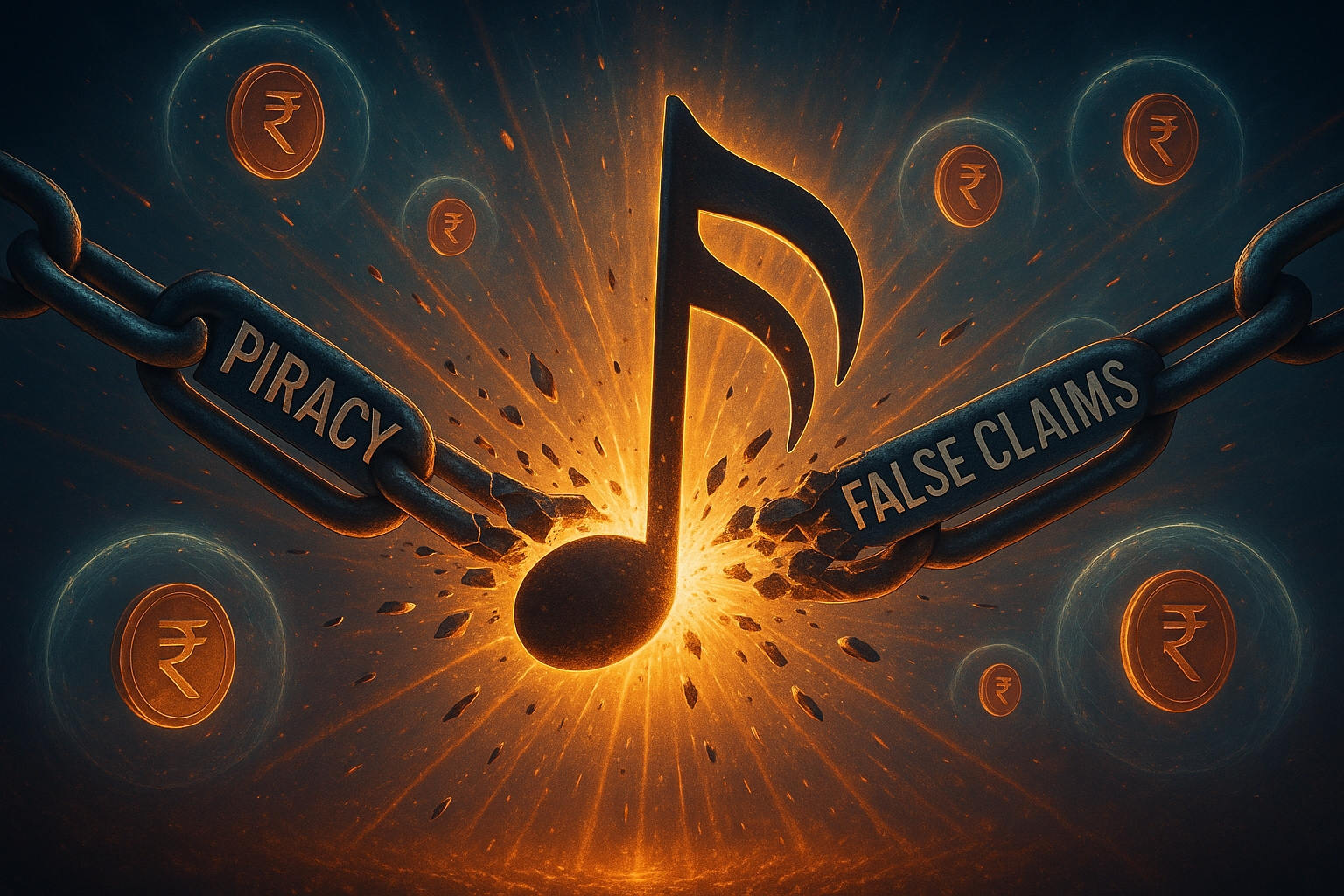
    With just a few clicks, your tracks can be live on platforms worldwide. But while the ease of distribution is a huge win for independent artists, it also opens the door to a less talked-about challenge: protecting your music.

    If you’ve ever distributed music online, you’ve likely encountered terms like copyright strikes, takedown notices, and piracy. These can sound intimidating, leaving you wondering how to safeguard your creative work.

    At A3Tunes, we believe your focus should be on creating amazing music, not on constantly policing the internet for unauthorized uses. That’s why we don’t just distribute your music; we actively defend it.

    We tackle takedowns, combat piracy, support artists facing unauthorized uploads, and ensure your music journey is smooth and protected.


    Why Copyright Protection Matters for Artists

    Your music is your livelihood, your art, and your unique expression. Without proper protection, it might be misused, which can lead to significant financial and reputational damage.

    Think of copyright as your legal shield. It grants you exclusive rights to reproduce, distribute, perform, and display your work. It ensures you receive the recognition and compensation you deserve for your effort and talent.


    Common Threats to Your Music

    Piracy

    Piracy occurs when your song appears on platforms like YouTube, SoundCloud, or obscure websites without your permission. It’s like someone stealing your product and giving it away globally.

    Beyond financial loss, piracy weakens your brand and reduces control over your music’s distribution.

    Unauthorized Uploads

    This happens when someone uploads your song or beat to platforms like Spotify or Apple Music, falsely claiming it as their own. These fake releases redirect royalties and undermine your artistic identity.

    Copyright Strikes

    Platforms like YouTube or Facebook issue copyright strikes when a user uploads content that contains copyrighted material without permission. While these systems are designed to protect creators, they can be misused or malfunction, resulting in false claims against original work.


    How This Affects Your Career

    These threats can severely impact your musical journey:

    Revenue Loss: Every unauthorized stream or download means lost income that could fund future projects.

    Damaged Brand Reputation: Pirated or misrepresented music can confuse fans and weaken your credibility.

    Blocked Songs or Disabled Channels: Repeated copyright strikes can result in takedowns or permanent bans from platforms, disconnecting you from your audience.

    Proactive protection is essential. It preserves your art, income, and future.


    What Is DMCA?

    The Digital Millennium Copyright Act (DMCA) is a U.S. law enacted in 1998 to address copyright challenges in the digital age.

    Its “safe harbor” provision shields online platforms from liability as long as they act quickly when receiving valid takedown requests.


    The DMCA Takedown Process

    1. Detect Infringement
    You or A3Tunes discover unauthorized use of your music on a digital platform.

    2. Submit a DMCA Notice
    A formal notice includes:

    • The copyrighted work involved

    • The infringing content’s URL

    • A good faith statement

    • A verification statement

    • Your signature

    3. Platform Review
    The platform investigates and typically removes the content if the notice is valid.

    4. Counter-Notice (If Filed)
    If the uploader believes the claim is invalid, they can issue a counter-notice. Content may be reinstated unless legal action is pursued.

    Acting quickly minimizes your loss of royalties and exposure.


    How A3Tunes Handles Takedowns

    Monitoring

    We use digital crawlers and manual techniques to regularly search for unauthorized uploads.

    Verification

    Before submitting any takedown notice, our team verifies:

    • Metadata

    • Timestamps

    • ISRC codes

    • Ownership details

    Filing

    We draft and send legally accurate takedown notices that prompt platforms to act swiftly.

    Follow-Up

    Our team tracks every request until the infringing content is removed.

    Platforms Covered

    We protect your work across:

    • YouTube

    • SoundCloud

    • Spotify

    • Apple Music

    • Instagram

    • Facebook

    • Download and third-party hosting sites


    What About False Copyright Claims?

    Sometimes, artists face false claims. These come from:

    Content ID Errors – Automated systems misidentify your original music.

    Malicious Reporting – Individuals file fake claims to hurt your reputation or restrict your access.

    How A3Tunes Helps

    We respond by:

    • Gathering and organizing evidence

    • Filing a counter-notice

    • Assisting with documentation

    • Following up until your content is reinstated

    Do not ignore a false claim. It can lead to permanent takedowns, demonetization, or account suspension.


    How to Protect Your Music

    While we offer full support, artists should take preventive steps:

    Register Your Work

    In India, register your music through the Copyright Office at IP India.

    Use ISRC Codes

    When you distribute via A3Tunes, each track gets a unique ISRC, serving as a digital fingerprint.

    Use a Trusted Distributor

    Distribute through trusted partners like A3Tunes to generate time-stamped, verifiable records.

    Set Up Google Alerts

    Create alerts for your artist name and track titles to monitor where your music appears.


    You Create, We Protect

    Independent artists enjoy freedom and reach like never before, but protection remains vital.

    At A3Tunes, we ensure that while you focus on making great music, we guard your rights and fight infringement. From detection to takedown, we’ve got your back.

    Ready to secure your music? Sign up with A3Tunes today and let us protect your creativity around the world.

  • How TikTok and Instagram Can Launch Your Music Career

    How TikTok and Instagram Can Launch Your Music Career

    It used to take years of gigs, radio plugs, and lucky breaks to get noticed in the music industry. Today, all it takes is 15 seconds on TikTok.

    No kidding — one clip, one trending sound, one viral dance can explode your music to a global audience. You don’t need a big label or a giant marketing budget. What you do need is a clear understanding of how User-Generated Content (UGC) works, and how you can use it — legally and creatively — to your advantage.

    Welcome to the new era of music discovery


    The Day Everything Changed

    Picture this: It’s just another evening. You post a short beat you’ve been working on to Instagram Reels. The next morning, you wake up to hundreds of notifications. A dancer with 2 million followers has used your track for a slick routine. That video is now everywhere. Soon, it’s part of a trend. Brands start using it, influencers remix it, and overnight, you’re “the sound of the week.”

    This is not a fantasy. It’s exactly how artists like Loren Gray, JVKE, Tai Verdes, and Doja Cat got their big breaks. TikTok and Instagram Reels are not just platforms anymore — they’re career launchpads.

    Explore more about how A3 Tunes empowers artists in the social media age.


    What is UGC or User-Generated Content

    UGC is any form of content — videos, stories, remixes, memes — created by users of a platform that features your music.

    Some typical examples include:

    • A TikTok dance challenge set to your latest release.
    • A travel vlog on Instagram using your song as background music.
    • Mashups, sped-up edits, or slowed-down versions of your track in viral trends.
    • A fashion influencer lip-syncing to your lyrics.
    • Even memes that remix your vocals with cat videos.

    These are called “derivative works” — the creators build something new using your original song as the base.


    How Does Your Music End Up on TikTok or Instagram?

    You don’t upload directly to these platforms. Instead, you use a music distributor — like A3 Tunes — and opt in to social media delivery.

    This means you’re giving permission for platforms like TikTok and Instagram to:

    • Add your song to their music library
    • Let users search, select, and feature your track in their videos
    • Enable remixing, editing, and sharing across their networks

    Once it is in the system, anyone — from your cousin to a celebrity influencer — can use your music in their content.

    Check out our features for social media delivery options.


    The Legal Stuff

    Here’s where it gets real. When you opt-in for UGC usage, you’re essentially granting a blanket license to the platform and its users to use your song in any creative way they choose. You’re saying: “Here’s my music. Play with it.”

    To make this possible, you must waive what’s called your “Moral Rights” (or droit moral).


    What are Moral Rights?

    These are the rights that protect your personal connection to your work. They include:

    • The right to be credited as the creator
    • The right to object to modifications that distort your music or harm your reputation

    In the world of UGC, these rights would be impossible to enforce. TikTok users might speed up your vocals, remix your beat, or pair your lyrics with a prank video — and you wouldn’t be able to veto it.

    So, by opting in, you legally allow this. You waive your moral rights only in the context of UGC. This waiver is the key that opens the door to virality.


    Why Give Up That Control?

    Good question. Here’s why:


    Massive Reach

    TikTok alone has over 1 billion monthly users. Instagram Reels is not far behind. One user-generated video featuring your song can get millions of views — and it doesn’t stop there. When your song becomes a trend, hundreds or thousands of other creators use it, multiplying your exposure.

    Ritviz gained major traction with his song “Udd Gaye”, which blew up after being featured in AIB’s YouTube On Stage event. The song became a viral soundtrack for hundreds of Instagram stories and fan-made dance videos. Ritviz’s unique blend of classical Indian music with electronic beats made him a darling of the internet generation. His music’s aesthetic and his consistent Instagram presence have helped him build a cult following.


    Yashraj Mukhate

    A former sound engineer, Yashraj shot to fame by turning viral dialogues and memes into catchy musical remixes. His breakout was the “Rasode Mein Kaun Tha” remix from the TV show Saath Nibhana Saathiya. The video exploded on Instagram and YouTube, leading to brand deals, media coverage, and collaborations with mainstream artists and actors.

    These are couple of examples where UGC culture and short-form content converted into a full-fledged music career.


    New Income Streams

    Even if you waive moral rights, you don’t waive payment. These platforms track song usage and pay royalties — usually collected by your distributor. So, the more your song gets used, the more you earn.

    See pricing and payout details here.


    Some Examples

    Yashraj Mukhate – Remix King Turned Creator-Entrepreneur
    He earns via brand deals. After going viral, brands like Netflix, Cred, and Bumble collaborated with him to create branded content. His quirky remixes and original songs get millions of views, generating ad revenue. He also performs custom sets at private and virtual events. TV shows, OTT platforms, and creators license his viral audio.

    Anuv Jain – Heartfelt Indie Pop. Big streaming payoffs.
    He earns via Spotify/YouTube royalties: His tracks like “Baarishein” consistently trend on romantic playlists, driving repeat listening. Also has built a loyal fanbase that pays to attend his intimate gigs across India. Uses Instagram to promote releases and sell out concerts, keeping promotion in-house.


    The Trade-Off That Works In Your Favor

    Let’s sum it up. You give platforms the right to remix and reuse your song however they want.

    In return:

    • Your song gets discovered
    • You earn royalties
    • You build a fanbase
    • You get opportunities for collaborations, gigs, record deals, brand partnerships

    Real-World Wins: Artists Who Went Big via UGC

    Let’s look at a few artists whose careers took off thanks to UGC magic.

    🎤 Tai Verdes – “Stuck in the Middle”
    Tai was working at Verizon when he dropped this song. A few TikTok users used it in their videos, and it blew up. Millions of views, Spotify streams through the roof, and suddenly, Tai was a rising star.

    🎤 JVKE – “This is What Falling in Love Feels Like”
    He produced and released the song entirely at home. It took one viral video using the track to make it a TikTok anthem. JVKE now boasts millions of followers, charting songs, and major label attention.

    🎤 Curtis Waters – “Stunnin’”
    A beat made in his bedroom. Uploaded to TikTok. Used by influencers. Instantly viral. “Stunnin’” hit over 100 million streams and made Curtis a Gen Z icon overnight.

    🎤 Olivia Rodrigo – “Drivers License”
    Though not unknown, Olivia’s song exploded on TikTok thanks to fan-made videos, reaction clips, and heartbreak montages. It wasn’t just a debut single — it became a cultural moment, with UGC driving the emotion behind it.


    But What If My Music Gets Used in a Meme or Weird Video?

    That’s the risk, but also the charm.

    UGC thrives on unpredictability. Your soulful track might end up in a cat video. Or a parody clip. Or even a cooking hack.

    But guess what? That exposure is worth more than a perfect image. Every meme, every trend, every share takes your music to someone new. And when the song hits — they look you up.


    How to Make UGC Work for You

    Here’s how to turn this into a strategic advantage:

    • Make UGC-Friendly Music
      Short hooks, catchy beats, emotional lyrics, or relatable moments work best. Think loops, drops, or punchlines people can latch onto.
    • Start the Trend Yourself
      Don’t wait. Create your own Reel or TikTok with your song. Add a dance, a mood, a quote — and invite others to try it.
    • Engage With Creators
      If someone uses your song, comment, share, duet. The more you engage, the more your music stays alive on the platform.
    • Collaborate With Influencers
      Micro-influencers with niche audiences can help your track find the right ears. A dance creator. A beauty vlogger. A travel blogger. Match the mood of your music with their content.

    For additional guidance, contact the A3 Tunes team.


    What Not to Do

    • Don’t panic if someone uses your song in an unexpected way
    • Don’t try to control every use (you legally can’t)
    • Don’t ignore the power of short-form platforms

    Embrace the New Music Economy

    Social media isn’t just for selfies and memes anymore — it’s a full-blown music industry machine and UGC is the fuel. Yes, you’ll give up some control. But in return, you unlock the greatest amplifier any artist has ever had. Whether you’re indie or signed, bedroom producer or seasoned performer, UGC platforms like TikTok and Instagram can be your launchpad. So, get your music distributed, opt in to social platforms.

    Let the community create. And who knows? The next viral sound could be yours.

    For more creator success strategies, visit our blog.


    TL; DR:

    UGC = User-created content using your music (videos, memes, dances)
    Distributors help you get your song into TikTok/Instagram libraries
    You waive “moral rights” to allow free creative use of your song
    In return: exposure + royalties + career growth
    Many artists (Yashraj Mukate, Anuv Jain, Olivia Rodrigo) made it big this way
    Embrace the chaos — it’s where the magic happens

    If you’re an artist looking to get started with music distribution to social platforms, A3 Tunes can help you reach the world — 15 seconds at a time.

  • Music Distribution DOs and DON’Ts on A3 Tunes

    Music Distribution DOs and DON’Ts on A3 Tunes

    Introduction: Why Music Distribution Matters for Independent Artists

    In today’s music industry, producing great tracks is only half the journey—getting your music heard is the real challenge. This is where music distribution comes in. For independent artists in India, distributing music efficiently across major platforms is essential to build visibility, fanbase, and revenue. A3 Tunes, a dedicated distribution platform built for the modern artist, simplifies this journey with affordable, user-friendly services that cater to creators at every level.

    But just signing up isn’t enough. Knowing the DOs and DON’Ts of music distribution can make a massive difference in your career. This guide breaks them down in detail and adds new strategies, common mistakes to avoid, and insights from successful independent artists. If you’re looking to turn your musical passion into a full-time career, this detailed checklist will help you do it the right way.


    DOs of Music Distribution

    1. Do Choose the Right Distribution Partner

    Not all distributors are created equal. Select one that understands indie artists’ unique needs. A3 Tunes offers region-focused services, real-time tracking, and quick release schedules tailored for the Indian market.

    2. Do Understand Your Target Audience

    Know who you’re making music for. Understanding your audience’s age, platform preference (Spotify, YouTube, etc.), and language can influence where and how your music should be distributed. This also allows you to tailor your visuals and marketing messaging to attract more engagement and long-term loyalty.

    3. Do Optimize Your Metadata

    Ensure song titles, artist names, genre, and other metadata are accurate. This helps platforms categorize your music properly, increasing visibility in search and recommendations. Metadata optimization also supports playlist placements and search engine discovery, which are crucial for expanding reach.

    4. Do Promote Pre-Release

    Start building hype weeks before release. Use social media, snippets, and teasers to generate excitement. Tease lyrics, announce the release date with a countdown, and engage with fans through polls or sneak peeks. A great pre-release campaign multiplies the impact of your distribution.

    You can also create a pre-save campaign where fans can save the track ahead of time. This boosts initial plays and signals algorithms to recommend your track when it goes live.

    5. Do Use Analytics to Track Performance

    Distribution is not one-and-done. Platforms like A3 Tunes provide analytics on plays, revenue, and geography. Reviewing this data regularly helps you adjust marketing strategies, identify your most loyal fans, and plan smarter for future releases.

    It also reveals which songs or genres resonate most with your listeners, giving you the edge to adapt and grow with each release.

    6. Do Collaborate and Feature Other Artists

    Featuring other musicians exposes your music to new audiences. It’s also a great way to build your network, build credibility, and increase streaming performance across multiple fan bases. Be strategic—collaborate with artists in similar genres or aligned values.

    Collaboration also unlocks new content opportunities: interviews, joint live streams, or shared music videos that keep both audiences engaged.

    7. Do Choose the Right Release Date

    Avoid major holiday clashes or big artist drop dates. Use your analytics or industry release calendars to choose a window that ensures maximum exposure. You can also align your release with a relevant trend or cultural moment.

    In addition, releasing on specific days of the week—like Fridays, which are favored by Spotify’s editorial team—can help increase the chance of being featured.

    8. Do Explore Monetization Opportunities

    Make sure you’re collecting all possible royalties, including streaming, sync licensing, and publishing. If you’re unsure, reach out to A3 Tunes’ team for help setting it up. Additional revenue can also come from YouTube monetization, Instagram reels, or selling merchandise through integrated platforms.

    Even small sources of income—like ringtone licensing or fan donations—can compound over time to support your creative career.

    9. Do Create Consistent Branding Across Platforms

    Your Spotify, YouTube, Instagram, and other social profiles should reflect a consistent identity. Use the same artist photo, biography, and links so that fans can easily recognize you. This also builds trust with potential listeners.

    Make sure your brand visuals (logos, cover art, banners) match the tone and mood of your music to create an immersive experience.

    10. Do Build an Email List or Community

    While social media is powerful, owning your audience is better. Build an email list or Discord community where fans can follow your journey and get early access to music, behind-the-scenes content, or live sessions.

    These platforms offer a direct line to your fans, unaffected by algorithm changes, and are valuable for launching future crowdfunding campaigns or exclusive drops.

    11. Do Educate Yourself About the Business Side

    Understanding contracts, royalties, licensing, and publishing is key. Many artists overlook the business side of music, which can lead to missed earnings or exploitative deals. Take advantage of educational resources provided by A3 Tunes or similar platforms.

    Knowledge is power—learn to read a split sheet, understand mechanical royalties, and negotiate collaborations professionally.

    12. Do Keep a Release Calendar

    Plan your releases over months. This allows for better coordination with your visuals, promotional content, press, and collaboration efforts. A well-planned calendar ensures consistent audience engagement and builds momentum for your brand.

    It also helps you avoid creative burnout by scheduling content well in advance.


    DON’Ts of Music Distribution

    1. Don’t Upload Low-Quality Audio

    Your music is your brand. Distributing poor-quality audio damages credibility. Always upload high-quality, professionally mixed and mastered tracks to match industry standards.

    A subpar sound can turn off potential fans and ruin your chances of being playlisted.

    2. Don’t Ignore Licensing and Copyrights

    Make sure you have the rights to every beat, sample, and lyric. Uploading unauthorized content can lead to takedowns or legal trouble. This can also prevent your song from being monetized on platforms like YouTube.

    If in doubt, consult with a legal expert or use royalty-free sounds.

    3. Don’t Skip the Small Platforms

    Big names like Spotify and Apple Music matter, but don’t ignore smaller streaming services—they may have niche audiences that resonate with your sound. Platforms like Deezer, Anghami, or regional apps can help you reach international and local listeners you didn’t expect.

    Some lesser-known platforms also pay better per stream than the giants.

    4. Don’t Rush the Process

    Releasing a song takes planning. Rushing leads to errors in metadata, timing, and artwork. Use the distribution tools provided by A3 Tunes to streamline but not shortcut the process. Set deadlines for mastering, artwork, pre-save links, and campaign promotion.

    A well-paced release helps build anticipation and audience trust.

    5. Don’t Forget About Pricing Transparency

    Before choosing a service, understand all costs involved. A3 Tunes offers simple pricing with no hidden fees, which is ideal for artists on a budget. Always compare the payout models before committing to any distribution platform.

    Avoid platforms with unclear revenue shares or long-term contracts.

    6. Don’t Neglect Artwork and Visuals

    First impressions matter. A compelling cover art increases the chance someone clicks your track. Avoid pixelated or generic images. Hire a designer or use professional templates that match the theme of your song.

    Investing in good visuals shows you take your music seriously.

    7. Don’t Use Misleading Information

    Avoid clickbait titles or false collaborations. It may get you initial traffic but ruins long-term trust. Also, misleading metadata can result in your music being removed from platforms.

    Always be honest and transparent in your promotion.

    8. Don’t Forget to Share After Release

    Distribution is step one. Continue promoting your track post-release. Share links, create visual content, and drive traffic to your blog, website, or artist profile. Consider submitting your song to playlist curators, music bloggers, or YouTube reviewers.

    Reposting reviews and fan videos can also create a snowball effect.

    9. Don’t Rely Solely on One Platform

    While Spotify may be your primary platform, don’t neglect YouTube, SoundCloud, Instagram, or even live performances. Multi-platform visibility keeps your audience engaged and your music circulating across formats.

    Diversification also safeguards you against algorithm or platform policy changes.

    10. Don’t Disregard Fan Engagement

    Engagement builds loyalty. Respond to comments, shout out fans who share your songs, and invite them into your process. Fans who feel appreciated are more likely to support you long-term.

    Your fanbase is your foundation—treat them like VIPs.

    11. Don’t Forget to Archive Your Work Properly

    Always back up your final mixes, cover artwork, and promotional materials in a well-organized digital folder. This helps in case you need to reupload, rebrand, or issue corrections post-release.

    You’ll thank yourself later if you decide to do a remastered edition or apply for sync licensing.

    12. Don’t Underestimate the Power of Consistency

    Releasing one song a year won’t build a fanbase. Instead, set a steady rhythm of releases—whether monthly, quarterly, or seasonally—and stick to it. Audiences appreciate reliable output.

    Consistency also signals professionalism to labels and potential partners.


    Conclusion: Let A3 Tunes Distribute Your Music the Right Way

    Music distribution is not just a technical task—it’s a long-term strategy. When done right, it connects you to listeners worldwide, builds your brand, and earns you money. But when done carelessly, it can cost you more than just a missed opportunity.

    With expert tools, transparent pricing, and a strong commitment to artist growth, A3 Tunes empowers independent artists to distribute music smartly and effectively. Whether you’re curious about services, features, or costs, visit our FAQs or contact us to learn more. Make every release count and take the next step toward growing your career.


    Frequently Asked Questions (FAQs)

    1. What is music distribution?
    Music distribution is the process of making your music available on digital platforms like Spotify, Apple Music, and others.

    2. Why should I use A3 Tunes for music distribution?
    A3 Tunes offers affordable, transparent, and artist-friendly music distribution tailored for Indian creators.

    3. How much does music distribution cost on A3 Tunes?
    You can check our transparent plans on the pricing page.

    4. Can I track how my music is performing?
    Yes. A3 Tunes provides real-time analytics so you can monitor plays, audience location, and earnings.

    5. Do I keep ownership of my music?
    Yes, A3 Tunes ensures you retain 100 percent ownership and creative control.

    6. What platforms does A3 Tunes distribute to?
    We distribute to Spotify, Apple Music, YouTube Music, and more.

    7. How long does it take for my music to go live?
    Usually 2 to 5 business days after submission.

    8. Do I need to copyright my music before distribution?
    It’s strongly recommended to protect your work legally before releasing.

    9. Is A3 Tunes suitable for beginners?
    Absolutely. We provide step-by-step guidance and support.

    10. Where can I read more music-related content?
    Check out our blog section for tips, guides, and artist resources.

  • Knowing Your Music Distribution Rights with A3 Tunes

    Knowing Your Music Distribution Rights with A3 Tunes

    Knowing Your Music Distribution Rights with A3 Tunes

    Introduction

    When you pour your heart into creating music, the last thing you want is to lose control over how it’s shared, sold, or streamed. For many artists, understanding music distribution rights can feel overwhelming—contracts, platforms, and royalties often seem like a foreign language. Yet, knowing how your rights work is the first step toward protecting your creative work and ensuring that you’re fairly compensated for every play, download, or purchase.

    In this blog, we’ll break down everything you need to know about music distribution rights in a clear, structured way. We’ll explore key terms, factors to consider before distributing, the types of rights that matter most, and how platforms like A3 Tunes empower artists with transparent, artist-first distribution services. By the end, you’ll feel confident about managing your rights and maximizing your reach as an independent artist. If you’re ready to secure your place in today’s fast-moving music industry, explore A3 Tunes distribution services today.


    Things to Know Before Managing Music Distribution Rights

    Understanding music distribution rights isn’t just about legal jargon—it’s about knowing what impacts your earnings, control, and opportunities. Before you dive into distributing your music, there are several foundational aspects every artist should understand. These basics set the stage for making informed decisions and protecting your career in the long run.

    Below, we’ll break these factors into individual sections so you can get a clear picture of what’s at stake. Each one plays a crucial role in shaping how your music is distributed, monetized, and protected across global platforms.

    Understanding Copyright in Music

    At the heart of music distribution lies copyright law. Copyright grants creators the legal right to control how their music is used, distributed, and monetized. This includes both the composition (lyrics and melody) and the sound recording (the actual recorded version of the track). Without registering or understanding copyright, artists risk losing ownership of their work or allowing others to profit from it unfairly.

    For independent musicians, copyright ensures that when your song is streamed on Spotify or used in a video, you have the authority to claim royalties. Platforms like A3 Tunes simplify this process by helping artists navigate copyright and maintain full ownership while distributing to top digital outlets. Having this protection in place ensures your music career is built on a strong legal foundation.

    Difference Between Mechanical and Performance Rights

    One of the most confusing parts of music distribution rights is the difference between mechanical and performance rights. Mechanical rights relate to the reproduction of your music—whether through CDs, downloads, or digital streams. Performance rights, on the other hand, cover the public performance of your music, such as radio play, concerts, or streaming on platforms.

    Understanding the difference matters because royalties are collected separately for each type. As an artist, you want to ensure that both are accounted for in your distribution deals. Companies like A3 Tunes streamline this by making sure your tracks are licensed correctly, so you don’t miss out on royalties from either mechanical or performance rights.

    Exclusive vs. Non-Exclusive Distribution Agreements

    When distributing your music, you’ll encounter both exclusive and non-exclusive agreements. An exclusive agreement gives one distributor sole rights to distribute your music, which can limit your flexibility but might offer more focused marketing. A non-exclusive agreement allows you to distribute through multiple platforms, giving you more freedom.

    For independent artists, non-exclusive agreements are often the better choice because they allow for maximum reach without losing control. A3 Tunes specializes in flexible, artist-friendly deals that prioritize independence, ensuring you maintain ownership while accessing top streaming platforms.

    The Importance of Royalties and Revenue Splits

    Royalties are the lifeblood of music distribution. Every stream, download, or use of your track generates some form of royalty. However, many artists lose income because they don’t fully understand revenue splits or the hidden fees distributors take.

    A transparent distributor like A3 Tunes ensures you see exactly how much you’re earning and keeps splits fair. This clarity is crucial for artists who want to grow sustainably, reinvest in their careers, and build long-term success without financial surprises.

    Digital Rights Management (DRM) in Music

    Digital Rights Management (DRM) is the technology that controls how digital content is accessed and shared. In music distribution, DRM protects against unauthorized copying, sharing, or piracy. For independent artists, this is especially important because piracy can significantly cut into potential earnings.

    With A3 Tunes, DRM is built into the distribution process, ensuring your tracks are protected while still reaching global audiences. By combining accessibility with protection, DRM gives artists peace of mind knowing their work is safe across platforms.


    Types of Music Distribution Rights You Should Know

    Once you understand the foundations, the next step is to dive deeper into the different categories of distribution rights. Each type determines how your music is shared, protected, and monetized in different scenarios. Missing out on one of these rights can lead to lost income or control over your work.

    Below, we’ll walk through the most important types of rights every musician should be familiar with.

    Mechanical Rights in Music Distribution

    Mechanical rights are essential because they cover the reproduction of your music in both physical and digital formats. This includes everything from CDs and vinyl to downloads and streaming. Without mechanical rights, you cannot legally control how your music is copied and distributed.

    Platforms like A3 Tunes make sure that your music’s mechanical rights are properly handled, ensuring you get the royalties you deserve every time your music is downloaded or streamed. This protection helps artists build sustainable revenue streams while keeping control over their music.

    Performance Rights and Public Broadcasting

    Performance rights allow you to control when and where your music is performed publicly. This includes live shows, radio plays, and even streaming platforms. Organizations like ASCAP, BMI, and PRS collect these royalties on behalf of artists.

    When you distribute through A3 Tunes, your tracks are registered in ways that ensure performance royalties are tracked globally. This ensures that no matter where your music is played, you’re credited and compensated fairly.

    Synchronization Rights for Music Licensing

    Synchronization (sync) rights apply when your music is paired with visual media, such as movies, commercials, or YouTube videos. This is one of the most lucrative areas of the music business, as a single sync placement can generate significant income and exposure.

    Independent artists often overlook sync licensing, but distributors like A3 Tunes make it easier to access opportunities for placements. By ensuring your sync rights are secured, you can tap into new revenue streams beyond streaming.

    Master Recording Rights Ownership

    The master recording is the actual recorded version of your song, and owning its rights is critical. If you don’t own your masters, you may lose control over how your music is used or distributed. Historically, many artists have signed away master rights, leading to financial loss and disputes.

    With A3 Tunes, artists retain full ownership of their masters while benefiting from global distribution. This gives you long-term security and the ability to profit from your work indefinitely.

    Neighboring Rights in Music

    Neighboring rights are royalties earned when your recording is played publicly, such as on radio, TV, or in venues. They are similar to performance rights but apply specifically to the sound recording rather than the composition.

    By ensuring your music is properly registered for neighboring rights, A3 Tunes helps you unlock another source of revenue. Many artists miss out on these royalties simply because they aren’t aware of them, but with the right distributor, you won’t leave money on the table.


    Why Choose A3 Tunes for Your Music Distribution Rights?

    Choosing the right distribution partner can make all the difference in your career. A3 Tunes stands out because it prioritizes artist independence, transparency, and global reach. Unlike traditional distributors that lock artists into restrictive contracts, A3 Tunes empowers you with flexible agreements while ensuring you keep full ownership of your music.

    Another key advantage is transparency. With A3 Tunes, you always know how your royalties are split and exactly what you’re earning. Their artist-first approach means there are no hidden fees, making it easier for you to plan and grow your music career with confidence.

    Most importantly, A3 Tunes combines protection and accessibility. Whether it’s DRM security, sync licensing opportunities, or registering your tracks for global royalties, A3 Tunes ensures that your music not only reaches audiences worldwide but also earns you what you deserve. For independent artists seeking growth and control, this makes A3 Tunes a standout choice.


    Conclusion

    Understanding music distribution rights is one of the most important steps in building a sustainable music career. From copyright and royalties to mastering and sync licensing, each right plays a critical role in how your music is shared, monetized, and protected. Without this knowledge, artists risk losing control of their work and missing out on valuable revenue.

    With A3 Tunes, you don’t just get access to global platforms—you get a distribution partner that prioritizes your independence, transparency, and security. Their services are designed to empower musicians, ensuring every track is properly protected and monetized while reaching the widest possible audience.

    If you’re ready to take charge of your music and maximize your potential, visit A3 Tunes today and start distributing with confidence.

  • Your Royalties, Your Rules; The Ultimate Music Distribution Guide

    Your Royalties, Your Rules; The Ultimate Music Distribution Guide

    Your Royalties, Your Rules: The Ultimate Music Distribution Guide

    It is your time to step into the spotlight. Understanding how payouts and royalties work is no longer optional—it is essential for your success.

    As a singer or musician, your creativity deserves not just recognition but also fair compensation. At A3Tunes, we make this happen. Our mission is simple: empower you with transparency and control over your earnings.

    If you’re looking for music distribution in India or want to distribute your music on platforms like Spotify, Amazon, JioSaavn, and more—without worrying about hidden fees—then A3Tunes is your ideal partner.

    The A3Tunes Philosophy: Artist Comes First

    While many platforms claim to prioritize artists, A3Tunes proves it with action. Our foundation rests on three core pillars:

    • Transparency – No hidden clauses or revenue cuts

    • Creative Control – You retain 100% ownership of your music

    • Fairness – You keep all your earnings

    Whether you’re starting your journey or building a growing fan base, A3Tunes ensures your rights and royalties stay with you. We believe in complete transparency—you earn it, you keep it. Learn more about A3Tunes.

    How Royalties Work in Digital Music Distribution

    To see how A3Tunes supports you, let’s explore how digital royalties function:

    • Royalties are payments artists earn when their music is streamed or downloaded.

    • Platforms like Spotify, Amazon Music, Apple Music, and JioSaavn pay these royalties to music distributors.

    • The distributor then transfers these payments to the artist, sometimes deducting platform or service fees.

    Several factors influence your earnings:

    • The number of streams or downloads

    • The streaming platform

    • The region where your music is played

    • Whether the listener is on a free or premium plan

    Now let’s look at how A3Tunes simplifies this process.

    Transparent Revenue Sharing

    We offer free music distribution without compromising your royalty earnings. Our model includes:

    • 0% Commission on Royalties – We do not deduct anything from your earnings.

    • Free Plan – Distribute your music on 30+ platforms including Spotify, Amazon, and JioSaavn.

    • Optional Add-ons – Services like playlist pitching or social media boosts are available separately. Your royalties remain untouched.

    While other platforms may hide commissions in the fine print, A3Tunes uses a clear and honest freemium model. Discover our key features.

    Getting Paid: A Step-by-Step Process

    We have designed a seamless experience for artists to ensure hassle-free payments:

    1. Upload Your Track – Log in, upload your music, and select your distribution platforms.

    2. Global Delivery – We distribute your music to over 30 streaming services.

    3. Engagement Tracking – As fans stream or purchase your music, data is recorded.

    4. Royalty Collection – Platforms pay us royalties based on performance.

    5. Artist Wallet – We deposit 100% of those earnings into your A3Tunes wallet.

    You can withdraw your royalties at any time using your preferred payment method. For assistance, contact us.

    Minimum Payouts and Withdrawal Timelines

    We make our payout process artist-friendly:

    • No Minimum Threshold – Withdraw even ₹10. No waiting for larger amounts.

    • Timely Processing – Payouts are typically processed within 30–45 days.

    • Flexible Options – Choose UPI, bank transfer, or Paytm to receive your earnings.

    No Delays, No Hidden Clauses

    Many artists face payment delays due to unclear agreements. At A3Tunes, your dashboard shows:

    • Real-time earnings updates

    • Platform-specific breakdowns

    • Withdrawal history

    You will always know what you’re earning, when you’re earning it, and how much is available. For more clarity, visit our FAQ page.

    Detailed Royalty Reports

    We equip you with data to help grow your music career:

    • Platform Reports – View earnings from Spotify, Amazon, JioSaavn, and more

    • Geographical Insights – Identify where your audience is listening from

    • Track-Level Analysis – Understand which songs are performing best

    • Performance vs Payout – Track streams alongside actual revenue

    This level of transparency helps you plan promotions and optimize your music strategy. Explore more on our blog.

    Taxes and Compliance

    Because we operate in India, we ensure local tax compliance:

    • TDS Deduction – Compliant with Indian tax laws. We provide TDS certificates.

    • GST Support – If applicable, we issue GST-compliant invoices.

    • Accounting Simplicity – Our documentation supports individual or label-level tax filings.

    Why Indian Artists Prefer A3Tunes

    Here’s why thousands of artists trust A3Tunes:

    • Free music distribution across leading platforms

    • 100% royalty retention

    • Real-time reporting

    • Multiple payout methods

    • Tax-compliant operations

    • Responsive support team

    • Tools to distribute music on Spotify, Amazon, JioSaavn, and more

    Whether you’re a rapper from Mumbai, a folk band in Shillong, or a regional singer in Tamil Nadu, A3Tunes supports you.

    A3Tunes’ Commitment

    At A3Tunes, transparency and fairness are core values. We offer more than distribution—we offer control over your music journey.

    Start distributing on Spotify, Amazon Music, JioSaavn, Apple Music, and other platforms without hidden charges. Check out our pricing to begin.

    Take control of your music career. Sign up at A3Tunes and join artists across India who are claiming their spotlight today.

  • The Human-AI Collaboration – The Indian Music Scene

    The Human-AI Collaboration – The Indian Music Scene

    India’s music industry is known for its diversity, rooted in centuries of tradition and a vast array of cultural expressions. From classical ragas to modern Bollywood scores, India’s musical spectrum is wide and deep. But now, a new element is reshaping this landscape—Artificial Intelligence (AI). The integration of AI into the creative process is not replacing artists; it’s enhancing their work. In the Indian music scene, this collaboration between human ingenuity and machine precision is opening up exciting new frontiers.

    In this blog, we explore how human-AI collaboration is revolutionizing the creation, production, and distribution of music in India. Whether you’re an independent artist, a music producer, or simply a fan of Indian music, you’ll discover how technology is enriching the industry. Learn more about musical innovation at A3Tunes.


    Things to Know Before Exploring AI’s Role in Indian Music

    Before diving into current trends, it’s essential to understand the broader ecosystem of music in India and the growing capabilities of AI in creative industries.


    India’s Diverse Music Landscape

    Indian music isn’t monolithic. It includes classical forms like Hindustani and Carnatic, devotional bhajans, regional folk, and contemporary genres like indie pop and electronic. This diversity requires adaptive tools and personalized approaches for different musical styles.

    Understanding this variety helps appreciate why AI needs to be versatile. The collaboration isn’t about one-size-fits-all; it’s about enhancing unique artistic expressions across different musical forms.


    Rise of AI in Creative Arts

    AI tools are now capable of composing melodies, analyzing lyrics, and even mastering audio. Globally, musicians are using AI to experiment with new sounds, automate repetitive tasks, and gain data-driven insights into listener preferences.

    In India, this trend is emerging quickly. From apps that help with raga recognition to platforms that assist with mixing and mastering, AI is becoming an indispensable studio companion. Learn how A3Tunes features are designed to support these creative workflows.


    Human Creativity Still Leads

    AI can suggest chord progressions or generate instrumental tracks, but the soul of music—its emotion, context, and cultural relevance—still relies on human input. Musicians bring the inspiration and narrative that AI tools help execute more efficiently.

    This partnership is not about replacing composers or performers. It’s about expanding their toolkit and enabling them to reach new creative heights.


    Importance of Data and Algorithms

    Behind every AI tool is a dataset. In music, these datasets might include thousands of audio clips, lyrics, or genre classifications. The quality and cultural relevance of these inputs directly affect the usefulness of the AI output.

    India’s multilingual and multicultural complexity demands locally relevant data models. Companies like A3Tunes are beginning to recognize this and tailor tools specifically for Indian musical contexts.


    Accessibility and Democratization

    Perhaps one of the most promising aspects of AI is its ability to level the playing field. Independent musicians with limited access to high-end studios can now use AI-powered tools for composing, editing, and promoting their work.

    AI doesn’t just support creativity—it democratizes it. In India, where access to music technology can be uneven, this can significantly empower grassroots talent.


    AI-Assisted Composition and Lyric Writing

    AI platforms like Amper, AIVA, and MuseNet are making their way into India’s music circles. They can generate music based on mood, genre, and tempo, helping composers prototype ideas quickly.

    Indian artists use these tools to create rough drafts, explore unconventional scales, and even experiment with fusion genres by blending classical ragas with EDM beats.


    Smart Music Production and Audio Engineering

    AI simplifies the production process. Tools can now mix tracks, identify noise inconsistencies, and auto-tune vocals with a level of precision that saves both time and cost.

    Indian studios are increasingly adopting AI-powered plugins for mastering music across different languages and formats. This ensures a professional sound regardless of budget. Learn more about A3Tunes pricing for production solutions built around these capabilities.


    Music Recommendation and Personalization

    Streaming services like Gaana, JioSaavn, and Spotify rely heavily on AI for content curation. These algorithms learn from user behavior to recommend tracks tailored to individual tastes.

    In India, where regional preferences vary widely, personalized music discovery powered by AI ensures that local artists find the right audience and vice versa.


    Revival of Classical and Folk Forms

    AI is also being used to archive and analyze traditional music. Tools can identify patterns in ragas or folk tunes, aiding in preservation and reinterpretation.

    Projects across India are using AI to restore old recordings, map musical genealogies, and even create new compositions inspired by historical data.


    Real-Time Feedback for Musicians

    Learning apps now use AI to provide real-time feedback on singing and instrument performance. These tools help students correct pitch, rhythm, and pronunciation.

    In India’s remote regions, such applications bridge the gap between aspiring musicians and professional training, making education more accessible.


    Why Choose A3Tunes for AI-Powered Music Innovation?

    A3Tunes combines musical tradition with cutting-edge AI to create tools that are culturally nuanced and artist-friendly. Whether you’re an established composer or a student, their platform provides resources to innovate without losing the essence of Indian music.

    With services spanning composition support, audio mastering, and algorithm-driven insights, A3Tunes is helping shape the future of Indian music through ethical, empowering AI integration. Explore our AI music tools or contact us to learn more.


    Conclusion

    AI is not here to replace the artist; it’s here to collaborate. In India’s music industry, this collaboration enhances the creative process, streamlines production, and broadens access to resources.

    As human and machine continue to co-create, the result is a richer, more inclusive, and future-ready Indian music scene. With platforms like A3Tunes leading the charge, artists of all backgrounds can harness technology to tell their stories in new and resonant ways. Dive deeper in the A3Tunes blog for more perspectives.


    FAQs

    How is AI used in Indian music today?
    AI assists in composition, mastering, recommendation, and music education.

    Does AI replace musicians?
    No. It enhances their capabilities and supports faster, richer creativity.

    What makes A3Tunes unique?
    Their tools are designed for Indian music styles, supporting both modern and traditional genres. Learn more in their FAQ section.

    Can AI help revive traditional music?
    Yes, through analysis, restoration, and reinterpretation of classical forms.

    How accessible are AI tools to indie artists?
    Very. Many tools are affordable or free, lowering barriers to professional production.

    Is AI used in Indian music streaming?
    Yes. Platforms use AI to personalize user experiences and music discovery.

    Can AI support multilingual music?
    With the right datasets, AI can adapt to various Indian languages and dialects.

    Are AI tools accurate for classical Indian music?
    They’re improving rapidly, especially with culturally informed datasets.

    How can I start using AI in music?
    Explore platforms like A3Tunes or global tools like AIVA and Amper to begin.

    What’s the future of AI in Indian music?
    A hybrid landscape where tradition meets technology to foster innovation and accessibility. Dive deeper in the A3Tunes blog for more perspectives.