Tag: protect your music

  • What is Music Rights; Explained for Beginners

    What is Music Rights; Explained for Beginners

    Introduction

    Behind every song, composition, or soundtrack lies a complex system of ownership and rights that determine who can use the music, who can earn from it, and who can legally distribute it. Anyone entering the music world; whether as an artist, producer, content creator, business owner, or music enthusiast; must understand music rights to protect their work and avoid accidental misuse. In 2026, with digital platforms growing rapidly, understanding music rights has become more important than ever.

    This guide breaks down the basics of music rights for beginners, explaining what they are, how they work, and why they are essential for artists and businesses today. You will also explore key concepts that every creator should know before using or distributing music. At the end, the guide outlines five important types of music rights to help you navigate the landscape with confidence. To explore music licensing, royalty management, and music distribution, visit A3Tunes for expert support.

    Things to Know Before Understanding Music Rights

    Before diving into the main rights categories, it’s important to understand the fundamentals of how music ownership works. Music rights can be complicated because each song often has multiple owners, agreements, and legal layers. These rights determine how a piece of music can be used, how artists get paid, and what rules must be followed for legal distribution.

    Why Music Rights Exist in the First Place

    Music rights exist to protect creators and ensure they are fairly compensated when their work is used. Without rights, anyone could copy, sell, or use music freely, making it impossible for artists to earn a living. Copyright laws help protect original compositions and recordings from unauthorized usage.

    These protections build trust in the industry and allow artists to benefit financially from their creations for many years, ensuring long-term sustainability and professional growth.

    The Difference Between a Song and a Recording

    A song and a recording are not the same in the world of music rights. The song refers to the composition; the melody, lyrics, and arrangement. The recording is the actual audio file or performance captured in a studio. These two parts often have different copyright owners.

    Understanding this difference is crucial because licensing a song does not automatically grant permission to use the recording, and vice versa. Beginners must know which part they need and who owns it.

    How Royalties Are Generated

    Royalties are payments made to music owners when their work is used commercially. These earnings come from multiple sources such as streaming platforms, radio, live performances, sync placements, and public broadcasts. Royalties play a major role in sustaining artists’ careers.

    The royalty system ensures that everyone involved in the creative process; writers, composers, singers, producers, and labels; receives fair compensation when their work reaches the public.

    The Importance of Licensing Music Legally

    Licensing is the legal process of obtaining permission to use music for specific purposes. Whether you are making videos, performing live, releasing covers, or using background tracks for a business, you must obtain the appropriate license.

    Licensing prevents copyright disputes, protects businesses from legal penalties, and ensures creators are rewarded for their contributions.

    Common Misconceptions About Music Usage

    Many beginners believe that “royalty-free” means free to use without restrictions, or that giving credit replaces the need for permission. These misconceptions can lead to copyright claims or legal trouble.

    Understanding the real meaning of terms like “royalty-free,” “fair use,” and “public domain” helps individuals and businesses avoid costly mistakes while using music.

    Top 5 Types of Music Rights Explained for Beginners

    1. Performance Rights

    Performance rights cover the public playing of a musical work, whether at a concert, in a restaurant, on the radio, or through streaming platforms. When a song is performed publicly, royalties must be paid to the songwriters and publishers.

    Organizations known as Performing Rights Organizations (PROs) handle these collections. Understanding performance rights helps businesses and creators legally host events, broadcast music, and use songs in commercial settings.

    2. Mechanical Rights

    Mechanical rights refer to the reproduction of a musical composition, such as creating CDs, digital downloads, or streaming audio. Any time a song is reproduced or distributed, mechanical royalties are owed to the songwriter or publisher.

    Mechanical rights ensure creators receive payment every time their work is copied or transmitted, making them essential for record labels, streaming platforms, and independent artists.

    3. Synchronization Rights (Sync Rights)

    Sync rights apply when music is paired with visual content like movies, advertisements, YouTube videos, games, or TV shows. To use a song in visual media, creators must obtain a sync license from the copyright holders.

    These rights are especially valuable in marketing and entertainment, often leading to significant exposure and income for artists.

    4. Master Recording Rights

    Master rights belong to the owner of the actual audio recording. This is usually a record label or the artist, depending on who funded the recording. Using a recorded version of a song requires permission from the master rights holder.

    Beginners often mistakenly assume owning a composition allows them to use any recording, but master rights and composition rights are separate and must both be respected.

    5. Distribution Rights

    Distribution rights determine how and where music can be sold or shared. These rights regulate streaming services, physical sales, online platforms, and international distribution deals.

    Understanding distribution rights helps artists control where their music appears and ensures they are properly compensated across all regions and platforms.

    Why Choose A3Tunes

    A3Tunes offers comprehensive support for artists, creators, and businesses looking to manage music rights effectively. Their services include licensing assistance, royalty management, publishing support, and distribution solutions tailored for the modern music landscape. With a strong understanding of global copyright rules and music industry standards, A3Tunes empowers creators to protect their work and earn fairly.

    Whether you are new to the music world or seeking professional guidance for your growing career, A3Tunes provides reliable, transparent, and artist-focused support.

    Conclusion

    Music rights form the foundation of a fair and professional music industry. Understanding how rights work helps beginners protect their creations, earn the income they deserve, and avoid unintentional copyright violations. With multiple rights governing how songs and recordings are used, artists must stay informed and aware of their legal responsibilities.

    Working with an expert platform like A3Tunes ensures smoother licensing, secure distribution, and clear royalty management. As the industry continues evolving through new technologies and digital opportunities, understanding music rights is essential for building a strong, successful, and sustainable career.

    Summary

    This beginner-friendly guide explored the fundamentals of music rights, why they exist, and the key concepts artists should understand before using or distributing songs. It also outlined the five most important rights performance, mechanical, sync, master, and distribution rights; ensuring clarity for new creators. With A3Tunes’ professional music rights services, artists can confidently navigate the music world while protecting their intellectual property and maximizing their creative potential.
  • We’ve Got Your Back-Takedowns and Copyright

    We’ve Got Your Back-Takedowns and Copyright

    We’ve Got Your Back – Takedowns and Copyright

    With just a few clicks, your tracks can be live on platforms worldwide. But while the ease of distribution is a huge win for independent artists, it also opens the door to a less talked-about challenge: protecting your music.

    If you’ve ever distributed music online, you’ve likely encountered terms like copyright strikes, takedown notices, and piracy. These can sound intimidating, leaving you wondering how to safeguard your creative work.

    At A3Tunes, we believe your focus should be on creating amazing music, not on constantly policing the internet for unauthorized uses. That’s why we don’t just distribute your music; we actively defend it.

    We tackle takedowns, combat piracy, support artists facing unauthorized uploads, and ensure your music journey is smooth and protected.


    Why Copyright Protection Matters for Artists

    Your music is your livelihood, your art, and your unique expression. Without proper protection, it might be misused, which can lead to significant financial and reputational damage.

    Think of copyright as your legal shield. It grants you exclusive rights to reproduce, distribute, perform, and display your work. It ensures you receive the recognition and compensation you deserve for your effort and talent.


    Common Threats to Your Music

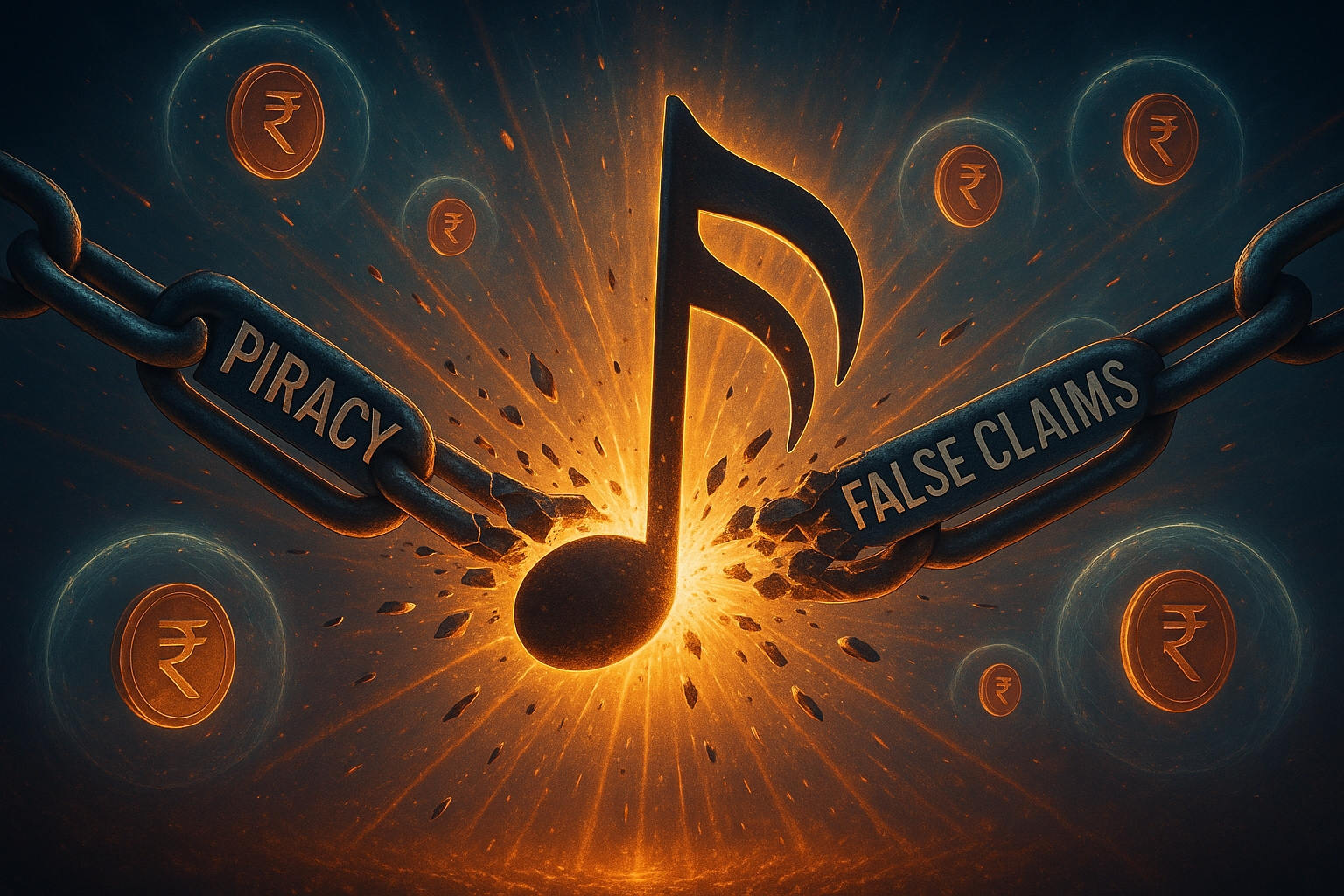
    Piracy

    Piracy occurs when your song appears on platforms like YouTube, SoundCloud, or obscure websites without your permission. It’s like someone stealing your product and giving it away globally.

    Beyond financial loss, piracy weakens your brand and reduces control over your music’s distribution.

    Unauthorized Uploads

    This happens when someone uploads your song or beat to platforms like Spotify or Apple Music, falsely claiming it as their own. These fake releases redirect royalties and undermine your artistic identity.

    Copyright Strikes

    Platforms like YouTube or Facebook issue copyright strikes when a user uploads content that contains copyrighted material without permission. While these systems are designed to protect creators, they can be misused or malfunction, resulting in false claims against original work.


    How This Affects Your Career

    These threats can severely impact your musical journey:

    Revenue Loss: Every unauthorized stream or download means lost income that could fund future projects.

    Damaged Brand Reputation: Pirated or misrepresented music can confuse fans and weaken your credibility.

    Blocked Songs or Disabled Channels: Repeated copyright strikes can result in takedowns or permanent bans from platforms, disconnecting you from your audience.

    Proactive protection is essential. It preserves your art, income, and future.


    What Is DMCA?

    The Digital Millennium Copyright Act (DMCA) is a U.S. law enacted in 1998 to address copyright challenges in the digital age.

    Its “safe harbor” provision shields online platforms from liability as long as they act quickly when receiving valid takedown requests.


    The DMCA Takedown Process

    1. Detect Infringement
    You or A3Tunes discover unauthorized use of your music on a digital platform.

    2. Submit a DMCA Notice
    A formal notice includes:

    • The copyrighted work involved

    • The infringing content’s URL

    • A good faith statement

    • A verification statement

    • Your signature

    3. Platform Review
    The platform investigates and typically removes the content if the notice is valid.

    4. Counter-Notice (If Filed)
    If the uploader believes the claim is invalid, they can issue a counter-notice. Content may be reinstated unless legal action is pursued.

    Acting quickly minimizes your loss of royalties and exposure.


    How A3Tunes Handles Takedowns

    Monitoring

    We use digital crawlers and manual techniques to regularly search for unauthorized uploads.

    Verification

    Before submitting any takedown notice, our team verifies:

    • Metadata

    • Timestamps

    • ISRC codes

    • Ownership details

    Filing

    We draft and send legally accurate takedown notices that prompt platforms to act swiftly.

    Follow-Up

    Our team tracks every request until the infringing content is removed.

    Platforms Covered

    We protect your work across:

    • YouTube

    • SoundCloud

    • Spotify

    • Apple Music

    • Instagram

    • Facebook

    • Download and third-party hosting sites


    What About False Copyright Claims?

    Sometimes, artists face false claims. These come from:

    Content ID Errors – Automated systems misidentify your original music.

    Malicious Reporting – Individuals file fake claims to hurt your reputation or restrict your access.

    How A3Tunes Helps

    We respond by:

    • Gathering and organizing evidence

    • Filing a counter-notice

    • Assisting with documentation

    • Following up until your content is reinstated

    Do not ignore a false claim. It can lead to permanent takedowns, demonetization, or account suspension.


    How to Protect Your Music

    While we offer full support, artists should take preventive steps:

    Register Your Work

    In India, register your music through the Copyright Office at IP India.

    Use ISRC Codes

    When you distribute via A3Tunes, each track gets a unique ISRC, serving as a digital fingerprint.

    Use a Trusted Distributor

    Distribute through trusted partners like A3Tunes to generate time-stamped, verifiable records.

    Set Up Google Alerts

    Create alerts for your artist name and track titles to monitor where your music appears.


    You Create, We Protect

    Independent artists enjoy freedom and reach like never before, but protection remains vital.

    At A3Tunes, we ensure that while you focus on making great music, we guard your rights and fight infringement. From detection to takedown, we’ve got your back.

    Ready to secure your music? Sign up with A3Tunes today and let us protect your creativity around the world.

  • Knowing Your Music Distribution Rights with A3 Tunes

    Knowing Your Music Distribution Rights with A3 Tunes

    Knowing Your Music Distribution Rights with A3 Tunes

    Introduction

    When you pour your heart into creating music, the last thing you want is to lose control over how it’s shared, sold, or streamed. For many artists, understanding music distribution rights can feel overwhelming—contracts, platforms, and royalties often seem like a foreign language. Yet, knowing how your rights work is the first step toward protecting your creative work and ensuring that you’re fairly compensated for every play, download, or purchase.

    In this blog, we’ll break down everything you need to know about music distribution rights in a clear, structured way. We’ll explore key terms, factors to consider before distributing, the types of rights that matter most, and how platforms like A3 Tunes empower artists with transparent, artist-first distribution services. By the end, you’ll feel confident about managing your rights and maximizing your reach as an independent artist. If you’re ready to secure your place in today’s fast-moving music industry, explore A3 Tunes distribution services today.


    Things to Know Before Managing Music Distribution Rights

    Understanding music distribution rights isn’t just about legal jargon—it’s about knowing what impacts your earnings, control, and opportunities. Before you dive into distributing your music, there are several foundational aspects every artist should understand. These basics set the stage for making informed decisions and protecting your career in the long run.

    Below, we’ll break these factors into individual sections so you can get a clear picture of what’s at stake. Each one plays a crucial role in shaping how your music is distributed, monetized, and protected across global platforms.

    Understanding Copyright in Music

    At the heart of music distribution lies copyright law. Copyright grants creators the legal right to control how their music is used, distributed, and monetized. This includes both the composition (lyrics and melody) and the sound recording (the actual recorded version of the track). Without registering or understanding copyright, artists risk losing ownership of their work or allowing others to profit from it unfairly.

    For independent musicians, copyright ensures that when your song is streamed on Spotify or used in a video, you have the authority to claim royalties. Platforms like A3 Tunes simplify this process by helping artists navigate copyright and maintain full ownership while distributing to top digital outlets. Having this protection in place ensures your music career is built on a strong legal foundation.

    Difference Between Mechanical and Performance Rights

    One of the most confusing parts of music distribution rights is the difference between mechanical and performance rights. Mechanical rights relate to the reproduction of your music—whether through CDs, downloads, or digital streams. Performance rights, on the other hand, cover the public performance of your music, such as radio play, concerts, or streaming on platforms.

    Understanding the difference matters because royalties are collected separately for each type. As an artist, you want to ensure that both are accounted for in your distribution deals. Companies like A3 Tunes streamline this by making sure your tracks are licensed correctly, so you don’t miss out on royalties from either mechanical or performance rights.

    Exclusive vs. Non-Exclusive Distribution Agreements

    When distributing your music, you’ll encounter both exclusive and non-exclusive agreements. An exclusive agreement gives one distributor sole rights to distribute your music, which can limit your flexibility but might offer more focused marketing. A non-exclusive agreement allows you to distribute through multiple platforms, giving you more freedom.

    For independent artists, non-exclusive agreements are often the better choice because they allow for maximum reach without losing control. A3 Tunes specializes in flexible, artist-friendly deals that prioritize independence, ensuring you maintain ownership while accessing top streaming platforms.

    The Importance of Royalties and Revenue Splits

    Royalties are the lifeblood of music distribution. Every stream, download, or use of your track generates some form of royalty. However, many artists lose income because they don’t fully understand revenue splits or the hidden fees distributors take.

    A transparent distributor like A3 Tunes ensures you see exactly how much you’re earning and keeps splits fair. This clarity is crucial for artists who want to grow sustainably, reinvest in their careers, and build long-term success without financial surprises.

    Digital Rights Management (DRM) in Music

    Digital Rights Management (DRM) is the technology that controls how digital content is accessed and shared. In music distribution, DRM protects against unauthorized copying, sharing, or piracy. For independent artists, this is especially important because piracy can significantly cut into potential earnings.

    With A3 Tunes, DRM is built into the distribution process, ensuring your tracks are protected while still reaching global audiences. By combining accessibility with protection, DRM gives artists peace of mind knowing their work is safe across platforms.


    Types of Music Distribution Rights You Should Know

    Once you understand the foundations, the next step is to dive deeper into the different categories of distribution rights. Each type determines how your music is shared, protected, and monetized in different scenarios. Missing out on one of these rights can lead to lost income or control over your work.

    Below, we’ll walk through the most important types of rights every musician should be familiar with.

    Mechanical Rights in Music Distribution

    Mechanical rights are essential because they cover the reproduction of your music in both physical and digital formats. This includes everything from CDs and vinyl to downloads and streaming. Without mechanical rights, you cannot legally control how your music is copied and distributed.

    Platforms like A3 Tunes make sure that your music’s mechanical rights are properly handled, ensuring you get the royalties you deserve every time your music is downloaded or streamed. This protection helps artists build sustainable revenue streams while keeping control over their music.

    Performance Rights and Public Broadcasting

    Performance rights allow you to control when and where your music is performed publicly. This includes live shows, radio plays, and even streaming platforms. Organizations like ASCAP, BMI, and PRS collect these royalties on behalf of artists.

    When you distribute through A3 Tunes, your tracks are registered in ways that ensure performance royalties are tracked globally. This ensures that no matter where your music is played, you’re credited and compensated fairly.

    Synchronization Rights for Music Licensing

    Synchronization (sync) rights apply when your music is paired with visual media, such as movies, commercials, or YouTube videos. This is one of the most lucrative areas of the music business, as a single sync placement can generate significant income and exposure.

    Independent artists often overlook sync licensing, but distributors like A3 Tunes make it easier to access opportunities for placements. By ensuring your sync rights are secured, you can tap into new revenue streams beyond streaming.

    Master Recording Rights Ownership

    The master recording is the actual recorded version of your song, and owning its rights is critical. If you don’t own your masters, you may lose control over how your music is used or distributed. Historically, many artists have signed away master rights, leading to financial loss and disputes.

    With A3 Tunes, artists retain full ownership of their masters while benefiting from global distribution. This gives you long-term security and the ability to profit from your work indefinitely.

    Neighboring Rights in Music

    Neighboring rights are royalties earned when your recording is played publicly, such as on radio, TV, or in venues. They are similar to performance rights but apply specifically to the sound recording rather than the composition.

    By ensuring your music is properly registered for neighboring rights, A3 Tunes helps you unlock another source of revenue. Many artists miss out on these royalties simply because they aren’t aware of them, but with the right distributor, you won’t leave money on the table.


    Why Choose A3 Tunes for Your Music Distribution Rights?

    Choosing the right distribution partner can make all the difference in your career. A3 Tunes stands out because it prioritizes artist independence, transparency, and global reach. Unlike traditional distributors that lock artists into restrictive contracts, A3 Tunes empowers you with flexible agreements while ensuring you keep full ownership of your music.

    Another key advantage is transparency. With A3 Tunes, you always know how your royalties are split and exactly what you’re earning. Their artist-first approach means there are no hidden fees, making it easier for you to plan and grow your music career with confidence.

    Most importantly, A3 Tunes combines protection and accessibility. Whether it’s DRM security, sync licensing opportunities, or registering your tracks for global royalties, A3 Tunes ensures that your music not only reaches audiences worldwide but also earns you what you deserve. For independent artists seeking growth and control, this makes A3 Tunes a standout choice.


    Conclusion

    Understanding music distribution rights is one of the most important steps in building a sustainable music career. From copyright and royalties to mastering and sync licensing, each right plays a critical role in how your music is shared, monetized, and protected. Without this knowledge, artists risk losing control of their work and missing out on valuable revenue.

    With A3 Tunes, you don’t just get access to global platforms—you get a distribution partner that prioritizes your independence, transparency, and security. Their services are designed to empower musicians, ensuring every track is properly protected and monetized while reaching the widest possible audience.

    If you’re ready to take charge of your music and maximize your potential, visit A3 Tunes today and start distributing with confidence.