
Tag: music technology

  • Learn Basics of Music Publishing in 2025

    Learn Basics of Music Publishing in 2025

    Learn Basics of Music Publishing in 2025

    Introduction

    Music publishing has always been a cornerstone of the music industry, but in 2025, it has taken on an even greater role in shaping careers and revenues for artists. Imagine you’ve just finished recording your first hit single, and it’s starting to gain traction on streaming platforms. Without proper music publishing, you could miss out on significant income and lose control over how your music is used. This makes understanding music publishing not just beneficial, but essential for every musician, songwriter, and producer aiming to thrive in the digital age.

    In this blog, we’ll explore the fundamentals of music publishing in 2025, breaking down what it is, why it matters, and the critical steps to navigate it successfully. From rights management to modern royalty collection, you’ll discover everything you need to know to protect and monetize your music. By the end, you’ll see exactly how A3 Tunes can help you take control of your music’s future and ensure you’re getting every cent you deserve. Explore our music publishing services here.

    Things to Know Before Getting Into Music Publishing in 2025

    Music publishing might sound straightforward, but it’s a multi-layered field that requires a clear understanding of rights, revenue streams, and industry regulations. Before diving in, there are several key concepts you must know to make informed decisions. In this section, we’ll outline the core principles of publishing and explain how they impact your creative and financial success.

    Understanding Music Rights in 2025

    Music rights are the foundation of publishing. They determine who owns the composition, lyrics, and recordings. In 2025, with the rise of AI-generated compositions and new licensing technologies, rights management is more complex than ever. Secondary keywords: music licensing, copyright management.

    It’s important to note that there are typically two types of rights: composition rights (owned by songwriters and composers) and master rights (owned by the performer or label). Knowing the difference helps ensure you register and protect each appropriately. With streaming dominating consumption, failing to manage rights properly can result in lost royalties and unauthorized use of your work.

    The Role of Performing Rights Organizations (PROs)

    Performing Rights Organizations, or PROs, collect royalties when your music is performed publicly, whether on radio, TV, or live events. In 2025, PROs have integrated blockchain technology for faster and more transparent royalty tracking. Secondary keywords: royalty collection, music performance rights.

    Choosing the right PRO is crucial, as they directly influence how quickly and accurately you get paid. Popular PROs include ASCAP, BMI, SESAC, and PRS for Music, each with different benefits and fee structures. Joining a PRO ensures you receive payments that might otherwise be impossible to track.

    Synchronization Licensing Opportunities

    Synchronization licensing, or “sync,” refers to placing your music in TV shows, movies, commercials, and video games. In 2025, sync deals are a major income stream for independent artists. Secondary keywords: sync deals, media licensing.

    Streaming services, indie film productions, and social media platforms are constantly seeking unique music for content. A well-negotiated sync deal can not only boost your income but also introduce your music to massive audiences worldwide. Learning how to pitch and secure sync placements is a must for serious musicians.

    Mechanical Royalties and Digital Streaming

    Mechanical royalties are paid when your music is reproduced, whether physically or digitally. In the streaming era, these royalties come from platforms like Spotify, Apple Music, and Amazon Music. Secondary keywords: streaming royalties, digital music distribution.

    In 2025, global digital music consumption has exploded, making mechanical royalties a vital part of your income. However, tracking and collecting them can be complicated without the right publishing partner or service to monitor plays across multiple platforms.

    Global Publishing Considerations

    Music publishing is not bound by borders. If your music streams in another country, you’re entitled to royalties there, too. Secondary keywords: global music royalties, international publishing.

    The challenge lies in navigating different copyright laws, collection societies, and currency exchanges. Partnering with a company like A3 Tunes ensures that your music is registered and tracked worldwide, so you don’t leave money unclaimed in foreign markets.

    Key Elements of Music Publishing in 2025

    Song Registration

    Registering your song with a PRO, mechanical rights organization, and relevant databases ensures legal recognition and payment eligibility. In 2025, AI-powered systems assist in detecting unauthorized uses and automating registrations.

    Rights Management Platforms

    Rights management software helps track usage, prevent infringement, and streamline royalty claims. The latest platforms integrate blockchain for secure, transparent transactions.

    Publishing Administration

    Publishing administrators handle the complex paperwork and ensure timely royalty collections from various sources. This frees artists to focus on creating while still maximizing their income.

    Catalog Monetization

    Your music catalog is an asset that can be monetized through licensing, sync placements, and even catalog sales. Strategic monetization ensures long-term revenue.

    Royalty Tracking and Auditing

    Regular auditing ensures you’re receiving all due payments. Modern tools use AI analytics to detect underreported plays or sales.

    Why Choose A3 Tunes for Music Publishing?

    A3 Tunes specializes in comprehensive music publishing services tailored to the needs of 2025’s music industry. We handle song registration, rights management, royalty tracking, and sync licensing opportunities. Our global network ensures your music is protected and monetized in every market, while our technology-driven approach guarantees transparency and accuracy in royalty collection.

    With A3 Tunes, you’re not just hiring a service—you’re gaining a partner committed to your long-term success. We blend industry expertise with cutting-edge tools to maximize your income and safeguard your creative rights.

    Conclusion

    Music publishing is the backbone of a sustainable music career. In 2025, with rapid technological changes and global opportunities, understanding its fundamentals is more important than ever. From rights management to global royalty collection, every detail counts in ensuring you get paid and maintain control over your work.

    Summary

    This guide covered the basics of music publishing in 2025, including rights management, PROs, sync licensing, mechanical royalties, and global considerations. With the right partner, you can navigate this complex field with confidence. A3 Tunes offers the expertise, tools, and industry reach to protect your music and maximize your earnings—making us the clear choice for forward-thinking artists.

     

  • How to Upload Songs on Spotify Without a Label

    How to Upload Songs on Spotify Without a Label

    How to Upload Songs on Spotify Without a Label

    Uploading your music to Spotify used to feel like breaking into an exclusive club. For independent artists without a record label, the journey seemed confusing, slow, and overwhelming. But in today’s digital-first music scene, uploading songs on Spotify without a label is not only possible but increasingly common. Whether you’re a solo artist, DJ, or indie band, reaching millions of global listeners is within your grasp—if you know what steps to take and which tools to use.

    This comprehensive guide will walk you through every necessary step, from understanding Spotify’s policies to choosing the right distributor and optimizing your music for visibility. If you’re searching for “how to upload songs on Spotify” without the backing of a label, you’re in the right place. By the end of this blog, you’ll be equipped with a step-by-step plan to independently release your music on one of the world’s top streaming platforms. Upload your tracks now with A3Tunes.

    Things to Know Before Uploading to Spotify Without a Label

    Before diving into the actual upload process, it’s essential to understand some foundational elements. These include Spotify’s submission structure, metadata expectations, and the roles of digital music distributors. Mastering these aspects ensures your upload process will be smoother and your music will reach the right audience without delays.

    Understanding Spotify’s Music Distribution Model

    Spotify doesn’t allow artists to upload music directly. Instead, you must go through a digital music distributor, which acts as the bridge between your tracks and Spotify’s massive user base. Companies like DistroKid, TuneCore, and CD Baby are popular options. These platforms handle licensing, royalty collection, and delivery to all major streaming services.

    Secondary keywords: Spotify distributor, digital distribution.

    Legal Rights and Ownership of Your Music

    As an independent artist, you must hold the full rights to the music you’re uploading. This includes the sound recording and, if applicable, the underlying composition. Uploading copyrighted material that you don’t own can result in removal or even legal issues.

    Secondary keywords: music rights, copyright ownership.

    Importance of Metadata Accuracy

    Metadata includes your song title, artist name, release date, genre, and artwork. Accurate metadata ensures your track is properly indexed, searchable, and displayed correctly on Spotify. Mislabeling can delay or derail your release.

    Secondary keywords: music metadata, song information.

    Preparing High-Quality Audio Files

    Spotify accepts files in WAV or FLAC format for the best sound quality. Ensure your audio is mastered and meets streaming standards, typically 16-bit/44.1 kHz stereo WAV files. Poor audio quality can turn off listeners and damage your credibility.

    Secondary keywords: audio quality, music mastering.

    Album Artwork and Branding Requirements

    Your album art must be square, at least 3000 x 3000 pixels, and free from copyrighted images or logos. Eye-catching and professional artwork helps boost credibility and appeal to potential listeners.

    Secondary keywords: album cover design, music branding.

    Step-by-Step Guide to Uploading Songs on Spotify Without a Label

    Now that you understand the basics, let’s walk through the upload process from start to finish. This section is your ultimate roadmap to releasing music independently on Spotify.

    Choose the Right Music Distributor for Spotify

    Start by choosing a digital music distributor that suits your budget and goals. Some charge annual fees (DistroKid), while others take a percentage of your royalties (CD Baby). Evaluate features like speed of delivery, customer support, and distribution reach before deciding.

    Secondary keywords: music aggregator, independent music release.

    Create Your Artist Profile on Spotify for Artists

    Once your music is submitted, claim your Spotify for Artists profile. This platform gives you access to analytics, playlist pitching tools, and customization features like bio, photos, and tour dates.

    Secondary keywords: Spotify for Artists, artist profile setup.

    Upload Your Music and Metadata via the Distributor

    Log into your chosen distributor, upload your audio files, and fill out the necessary metadata. Choose your release date and platforms (ensure Spotify is selected). Double-check all entries before final submission.

    Secondary keywords: song upload process, release management.

    Schedule Your Release Strategically

    Aim for at least 3-4 weeks of lead time before your release date. This allows you to pitch your track for playlist consideration and begin promoting through social media and email campaigns.

    Secondary keywords: music release strategy, Spotify playlists.

    Promote Your Music Post-Upload

    Uploading your song is just the beginning. Share it across your social channels, send it to blogs, and encourage fans to pre-save. Use Spotify Canvas and Marquee ads if your budget allows.

    Secondary keywords: music promotion, independent artist marketing.

    Why Choose A3 Tunes to Upload Your Songs on Spotify

    A3 Tunes simplifies the entire music distribution process. We help independent artists get their songs on Spotify, Apple Music, Amazon, and more—without the hassle. With our platform, you retain 100% ownership and earn royalties directly. We offer fast delivery, metadata assistance, and ongoing promotional support to ensure your release gets noticed. Whether you’re launching your first single or an entire album, A3Tunes provides the tools and guidance to help you succeed in today’s competitive music landscape.

    Conclusion

    Uploading your music to Spotify without a label is no longer a dream reserved for elite artists. By choosing the right distributor, preparing professional-quality content, and understanding how Spotify’s backend works, you can share your music with a global audience. Follow this guide, and you’ll not only learn how to upload songs on Spotify but also how to stand out and thrive as an independent musician. With platforms like A3 Tunes supporting your journey, your music career has never had more potential.

    FAQs

    1. Can I upload music to Spotify without a distributor?
      No. Spotify requires artists to use a digital music distributor to upload their songs.
    2. Which is the best distributor for independent artists?
      DistroKid, TuneCore, and CD Baby are popular among independent artists for different reasons including cost and services.
    3. How much does it cost to upload a song to Spotify?
      It varies by distributor. Some charge per release, while others offer annual subscription models.
    4. Do I keep 100% of my royalties?
      That depends on the distributor. Some allow full royalty retention; others take a percentage.
    5. What format should my music be in for Spotify?
      Use WAV or FLAC files, typically 16-bit/44.1 kHz stereo.
    6. Can I upload cover songs?
      Yes, but you need the proper licensing from the original copyright holder.
    7. How long does it take for a song to appear on Spotify?
      It can take 3-7 days or more, depending on your distributor.
    8. Can I edit my release after submission?
      Minor edits might be possible, but changes after submission can be limited or require re-uploading.
    9. Will I be able to access analytics?
      Yes. Spotify for Artists gives detailed insights into streams, demographics, and listener behavior.
    10. Is A3Tunes a Spotify distributor?
      Yes. A3Tunes offers comprehensive distribution services for independent artists.


  • The Human-AI Collaboration – The Indian Music Scene

    The Human-AI Collaboration – The Indian Music Scene

    India’s music industry is known for its diversity, rooted in centuries of tradition and a vast array of cultural expressions. From classical ragas to modern Bollywood scores, India’s musical spectrum is wide and deep. But now, a new element is reshaping this landscape—Artificial Intelligence (AI). The integration of AI into the creative process is not replacing artists; it’s enhancing their work. In the Indian music scene, this collaboration between human ingenuity and machine precision is opening up exciting new frontiers.

    In this blog, we explore how human-AI collaboration is revolutionizing the creation, production, and distribution of music in India. Whether you’re an independent artist, a music producer, or simply a fan of Indian music, you’ll discover how technology is enriching the industry. Learn more about musical innovation at A3Tunes.


    Things to Know Before Exploring AI’s Role in Indian Music

    Before diving into current trends, it’s essential to understand the broader ecosystem of music in India and the growing capabilities of AI in creative industries.


    India’s Diverse Music Landscape

    Indian music isn’t monolithic. It includes classical forms like Hindustani and Carnatic, devotional bhajans, regional folk, and contemporary genres like indie pop and electronic. This diversity requires adaptive tools and personalized approaches for different musical styles.

    Understanding this variety helps appreciate why AI needs to be versatile. The collaboration isn’t about one-size-fits-all; it’s about enhancing unique artistic expressions across different musical forms.


    Rise of AI in Creative Arts

    AI tools are now capable of composing melodies, analyzing lyrics, and even mastering audio. Globally, musicians are using AI to experiment with new sounds, automate repetitive tasks, and gain data-driven insights into listener preferences.

    In India, this trend is emerging quickly. From apps that help with raga recognition to platforms that assist with mixing and mastering, AI is becoming an indispensable studio companion. Learn how A3Tunes features are designed to support these creative workflows.


    Human Creativity Still Leads

    AI can suggest chord progressions or generate instrumental tracks, but the soul of music—its emotion, context, and cultural relevance—still relies on human input. Musicians bring the inspiration and narrative that AI tools help execute more efficiently.

    This partnership is not about replacing composers or performers. It’s about expanding their toolkit and enabling them to reach new creative heights.


    Importance of Data and Algorithms

    Behind every AI tool is a dataset. In music, these datasets might include thousands of audio clips, lyrics, or genre classifications. The quality and cultural relevance of these inputs directly affect the usefulness of the AI output.

    India’s multilingual and multicultural complexity demands locally relevant data models. Companies like A3Tunes are beginning to recognize this and tailor tools specifically for Indian musical contexts.


    Accessibility and Democratization

    Perhaps one of the most promising aspects of AI is its ability to level the playing field. Independent musicians with limited access to high-end studios can now use AI-powered tools for composing, editing, and promoting their work.

    AI doesn’t just support creativity—it democratizes it. In India, where access to music technology can be uneven, this can significantly empower grassroots talent.


    AI-Assisted Composition and Lyric Writing

    AI platforms like Amper, AIVA, and MuseNet are making their way into India’s music circles. They can generate music based on mood, genre, and tempo, helping composers prototype ideas quickly.

    Indian artists use these tools to create rough drafts, explore unconventional scales, and even experiment with fusion genres by blending classical ragas with EDM beats.


    Smart Music Production and Audio Engineering

    AI simplifies the production process. Tools can now mix tracks, identify noise inconsistencies, and auto-tune vocals with a level of precision that saves both time and cost.

    Indian studios are increasingly adopting AI-powered plugins for mastering music across different languages and formats. This ensures a professional sound regardless of budget. Learn more about A3Tunes pricing for production solutions built around these capabilities.


    Music Recommendation and Personalization

    Streaming services like Gaana, JioSaavn, and Spotify rely heavily on AI for content curation. These algorithms learn from user behavior to recommend tracks tailored to individual tastes.

    In India, where regional preferences vary widely, personalized music discovery powered by AI ensures that local artists find the right audience and vice versa.


    Revival of Classical and Folk Forms

    AI is also being used to archive and analyze traditional music. Tools can identify patterns in ragas or folk tunes, aiding in preservation and reinterpretation.

    Projects across India are using AI to restore old recordings, map musical genealogies, and even create new compositions inspired by historical data.


    Real-Time Feedback for Musicians

    Learning apps now use AI to provide real-time feedback on singing and instrument performance. These tools help students correct pitch, rhythm, and pronunciation.

    In India’s remote regions, such applications bridge the gap between aspiring musicians and professional training, making education more accessible.


    Why Choose A3Tunes for AI-Powered Music Innovation?

    A3Tunes combines musical tradition with cutting-edge AI to create tools that are culturally nuanced and artist-friendly. Whether you’re an established composer or a student, their platform provides resources to innovate without losing the essence of Indian music.

    With services spanning composition support, audio mastering, and algorithm-driven insights, A3Tunes is helping shape the future of Indian music through ethical, empowering AI integration. Explore our AI music tools or contact us to learn more.


    Conclusion

    AI is not here to replace the artist; it’s here to collaborate. In India’s music industry, this collaboration enhances the creative process, streamlines production, and broadens access to resources.

    As human and machine continue to co-create, the result is a richer, more inclusive, and future-ready Indian music scene. With platforms like A3Tunes leading the charge, artists of all backgrounds can harness technology to tell their stories in new and resonant ways. Dive deeper in the A3Tunes blog for more perspectives.


    FAQs

    How is AI used in Indian music today?
    AI assists in composition, mastering, recommendation, and music education.

    Does AI replace musicians?
    No. It enhances their capabilities and supports faster, richer creativity.

    What makes A3Tunes unique?
    Their tools are designed for Indian music styles, supporting both modern and traditional genres. Learn more in their FAQ section.

    Can AI help revive traditional music?
    Yes, through analysis, restoration, and reinterpretation of classical forms.

    How accessible are AI tools to indie artists?
    Very. Many tools are affordable or free, lowering barriers to professional production.

    Is AI used in Indian music streaming?
    Yes. Platforms use AI to personalize user experiences and music discovery.

    Can AI support multilingual music?
    With the right datasets, AI can adapt to various Indian languages and dialects.

    Are AI tools accurate for classical Indian music?
    They’re improving rapidly, especially with culturally informed datasets.

    How can I start using AI in music?
    Explore platforms like A3Tunes or global tools like AIVA and Amper to begin.

    What’s the future of AI in Indian music?
    A hybrid landscape where tradition meets technology to foster innovation and accessibility. Dive deeper in the A3Tunes blog for more perspectives.

  • Generative Music: AI as a New Creative Frontier

    Generative Music: AI as a New Creative Frontier

    Introduction

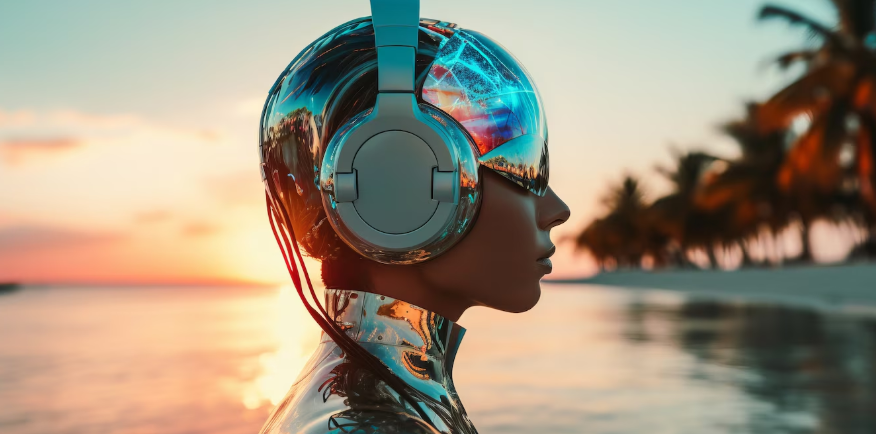
    Imagine a world where you can co-create a musical masterpiece with an algorithm. Whether you’re a seasoned composer or a bedroom producer, AI-generated music opens a new realm of possibilities. From soundscapes built on machine learning to beats crafted in seconds, artists are redefining their creative boundaries with artificial intelligence. The AI-Generated Music revolution isn’t a distant future; it’s already shaping the music industry today.

    This blog will take you deep into the fascinating world of generative music. We’ll explore what AI-generated music means, how it works, the tools leading the movement, and the benefits and controversies surrounding it. For artists and producers looking to stay ahead of the curve, now is the time to embrace this next-gen technology. Discover how A3Tunes can support your creative journey with the latest in AI music tools. Explore our AI music services.


    Key Concepts to Understand Before Diving into Generative Music

    Before we dive into the tools and applications of AI-generated music, it’s essential to grasp the foundational concepts. Understanding how AI interprets musical data, the ethics involved, and its evolving role in creativity can help artists make informed decisions when exploring this new landscape.


    What is Generative Music?

    Generative music refers to compositions that are created in whole or in part by autonomous systems such as algorithms or AI. These systems analyze massive datasets of music and apply patterns to generate original compositions.

    Unlike traditional music production, generative systems can continuously evolve, offering real-time improvisation or infinite variations. This is a significant step forward in how music can be conceptualized and created in the digital age.


    Machine Learning and Music Generation

    AI-generated music relies heavily on machine learning models like Recurrent Neural Networks (RNNs), GANs (Generative Adversarial Networks), and transformers. These models learn from thousands of tracks, styles, and patterns to generate unique outputs.

    The sophistication of these models has reached a point where they can mimic genres, composers, or even create hybrid styles. This level of personalization and complexity is opening up new creative dimensions.

    If you’d like help integrating these technologies, contact A3Tunes for support.


    Ethical and Legal Implications

    One of the main concerns with AI-generated music is authorship. Who owns the composition—the algorithm, the programmer, or the user? This legal gray area continues to evolve as more AI-generated works enter commercial use.

    Additionally, the question of originality arises. Since AI trains on existing compositions, there are concerns about copyright infringement. Artists must be mindful when using generative tools for public releases.

    Read more about protecting your music on our FAQ page.


    The Role of Human Creativity

    Despite the technological advancements, AI doesn’t replace human emotion, intuition, or cultural understanding. Instead, it acts as a collaborative partner, augmenting the artist’s vision.

    Many musicians now view AI as a tool—like a synthesizer or sampler—that enhances rather than replaces creativity. This synergy is key to producing impactful, emotionally resonant work.

    Discover how A3Tunes helps blend human artistry with AI on our About page.


    Accessibility and Democratization of Music Production

    AI-generated music tools are making high-quality music production accessible to a broader audience. Tools like Amper Music and Soundraw allow anyone to create tracks without traditional music training.

    This democratization is fostering a new wave of indie producers and content creators who can now compete with professional studios thanks to AI-driven solutions.

    If you’re curious about affordable options, visit our pricing page.


    Top Tools and Platforms for AI-Generated Music

    Amper Music for Royalty-Free AI Compositions

    Amper Music is a leading platform offering royalty-free AI-generated music tailored to user input. You choose the mood, genre, and tempo, and Amper delivers custom compositions.

    Its intuitive interface makes it ideal for content creators, filmmakers, and podcasters looking for quick, high-quality background scores without needing extensive production skills.


    AIVA: AI Composer for Classical and Modern Genres

    AIVA (Artificial Intelligence Virtual Artist) is built for creating emotional compositions across classical, cinematic, and contemporary genres. It’s used by professionals for film scores, ads, and gaming.

    Artists can edit compositions note by note, combining AI suggestions with personal touches—offering the perfect blend of technology and human input.


    Soundraw for Custom Loop Creation

    Soundraw allows users to generate music loops and full tracks tailored to their content. It’s particularly useful for video producers and streamers looking for background tracks with unique styles.

    Soundraw continuously updates its AI engine with new patterns and styles, keeping compositions fresh and diverse for frequent creators.


    Google’s Magenta Studio for Experimental Musicians

    Magenta Studio, built by Google’s Brain Team, is a suite of music plugins for experimenting with AI in Ableton Live. It includes tools like Continue, Generate, and Interpolate to enhance MIDI-based compositions.

    It’s ideal for experimental artists and producers who want to dive deep into the mechanics of generative music while retaining granular control.


    Boomy for Instant Track Publishing

    Boomy is an end-to-end platform where users can create, publish, and monetize AI-generated music. It’s targeted at creators who want to share their music across Spotify, Apple Music, and more.

    The platform offers revenue sharing and allows customization, enabling even amateur users to break into the professional scene with minimal resources.


    Why Should You Choose A3Tunes for AI Music Solutions?

    A3Tunes is at the forefront of blending art and algorithms. Our AI-generated music solutions cater to independent artists, media houses, content creators, and brands looking to explore innovative soundscapes.

    We provide tailored AI music tools, training modules, licensing support, and integration with your DAWs (Digital Audio Workstations). Whether you’re composing your first AI track or looking to scale music production, our solutions are built to evolve with your creative needs. Start your AI music journey with us here.


    Conclusion

    AI-generated music is not just a trend—it’s a transformative tool reshaping how we think about music creation. For artists in India and worldwide, it presents new creative freedoms and challenges alike. The future belongs to those who embrace these tools with open minds and creative intent.

    Whether you’re using AI to sketch out new ideas or generate full-fledged compositions, now is the time to experiment, innovate, and redefine your sonic identity. With platforms like A3Tunes guiding your exploration, the possibilities are truly endless.


    FAQs

    What is AI-generated music?
    AI-generated music refers to compositions created using artificial intelligence algorithms that analyze and replicate musical patterns.

    Can AI replace human musicians?
    No. AI enhances creativity but lacks emotional depth and cultural nuance. It’s best used as a tool in collaboration with human artists.

    Are AI-generated tracks royalty-free?
    Some platforms offer royalty-free options, but always check licensing terms before commercial use.

    Do I need music training to use AI tools?
    No. Many platforms are user-friendly and designed for creators with no formal music background.

    Is AI music legal to use commercially?
    Yes, if you follow the platform’s licensing terms. However, ownership and copyright laws are still evolving.

    What are the best AI tools for beginners?
    Amper Music, Boomy, and Soundraw are great starting points for newcomers to generative music.

    Can AI compose in any genre?
    Yes. Most AI platforms support multiple genres from EDM and pop to classical and ambient.

    How does A3Tunes support AI musicians?
    A3Tunes provides tools, consulting, and support for artists exploring generative music, including training and integration services.

    Will using AI affect my musical identity?
    It can expand your identity by offering new styles and ideas, but your creative vision remains central.

    How do I get started with A3Tunes AI services?
    Visit A3Tunes to explore our offerings or book a free consultation. For more reading, check our blog.

  • Generative Music: AI-Driven Creativity and New Frontiers for Artists

    Generative Music: AI-Driven Creativity and New Frontiers for Artists

    In an era where creativity is increasingly blended with technology, artists are discovering new ways to experiment and innovate. One of the most exciting frontiers in this space is AI-generated music—a transformative shift in how songs are composed, produced, and even consumed. Imagine a world where artificial intelligence becomes your co-composer, effortlessly creating musical ideas that inspire your next hit. Whether you’re a solo artist, a music producer, or a content creator, this intersection of tech and artistry offers a fresh, limitless playground for musical exploration.

    This blog will take a deep dive into AI-generated music: what it is, how it works, and why it’s capturing the attention of musicians around the world. You’ll learn about its potential for expanding your creative range, optimizing production workflows, and even personalizing music for different audiences. If you’re intrigued by the future of music and want to know how AI can empower your artistic journey, read on. Visit A3Tunes to explore tools and platforms that bring AI music innovation to your fingertips.


    Understanding the Basics of AI-Generated Music

    Before diving into its applications, it’s essential to grasp what AI-generated music entails. This section covers foundational concepts and technologies that make it possible.


    What is AI-Generated Music?

    AI-generated music refers to compositions created or assisted by artificial intelligence algorithms. These algorithms can analyze existing musical data to generate melodies, harmonies, rhythms, and even full arrangements. Using machine learning and neural networks, AI tools mimic the styles of various artists or invent entirely new musical patterns.

    From pop to classical and experimental sounds, AI is becoming a powerful assistant in every genre. Unlike traditional music composition, which requires years of training, AI tools democratize the process, enabling even novices to produce professional-sounding tracks with minimal effort.


    How Machine Learning Powers AI Music

    At the heart of AI-generated music lies machine learning—a technology that enables software to learn from large datasets of existing music. Tools like recurrent neural networks (RNNs) and transformers can identify patterns in rhythm, melody, and structure, then use that knowledge to generate new compositions.

    For instance, OpenAI’s MuseNet and Google’s Magenta are examples of AI models trained on thousands of musical pieces. These platforms generate original compositions or adapt existing ones, offering artists a new layer of inspiration. AI is not just imitating music; it is intelligently contributing to the creative process.


    Common Tools and Platforms for AI Music Generation

    Several platforms are making AI-generated music more accessible to artists. Tools like AIVA, Amper Music, and Ecrett Music allow users to generate background scores, song structures, and even full tracks tailored to their preferred mood or genre.

    Each tool provides unique features—some are ideal for film scoring, while others excel at creating loop-based music for games or content creation. Integrating such platforms with your existing Digital Audio Workstation (DAW) can significantly enhance your production workflow.


    AI Music in the Commercial Space

    AI-generated music is not limited to amateur experimentation; it’s gaining traction in commercial applications. Brands use AI compositions for advertising, while video game developers implement them for dynamic in-game soundtracks. Musicians, too, are starting to release tracks co-created with AI.

    This commercial uptake validates AI music as a legitimate and innovative tool in the industry. Its scalability and adaptability make it ideal for projects requiring quick turnaround without compromising on quality or originality. Learn more about how A3Tunes supports this space in their features section.


    Legal and Ethical Considerations in AI Music

    One of the key concerns around AI-generated music is authorship and copyright. Who owns a track created by AI? What happens when AI mimics a famous artist’s style? These questions are prompting legal frameworks to evolve alongside technology.

    Understanding these issues is crucial for artists who intend to publish or monetize AI-generated works. Platforms like A3Tunes provide insights into ethical AI music use, helping you stay compliant while pushing creative boundaries.


    Top 5 Benefits of AI-Generated Music for Artists

    Now that we’ve explored the fundamentals, let’s look at how AI-generated music can elevate your artistic process. Each of the following benefits outlines a compelling reason to consider integrating AI into your music production toolkit.


    1. Boosts Creative Inspiration with New Musical Ideas

    Sometimes, creativity hits a wall. AI-generated music offers fresh motifs, rhythms, and textures that can reignite inspiration. By generating multiple versions of a melody or experimenting with unfamiliar genres, artists can break free from creative blocks.

    This makes AI an excellent brainstorming partner. It doesn’t replace human creativity; it enhances it, acting as a springboard for new musical directions you might not have otherwise explored.


    2. Streamlines Music Production Workflows

    Producing music involves multiple stages—composing, arranging, mixing, and mastering. AI tools can assist in many of these areas, significantly speeding up the workflow. For example, AI-driven mastering services can polish your track in minutes.

    This efficiency is particularly beneficial for independent musicians and content creators working on tight schedules. With AI, artists can focus more on creative expression and less on technical bottlenecks.


    3. Expands Genre Exploration and Fusion

    Ever wanted to experiment with jazz-infused electronic or classical hip-hop? AI-generated music enables seamless genre blending by analyzing and merging characteristics from different musical styles.

    This opens up new creative territories for artists willing to step outside conventional boundaries. By using AI tools that support genre mixing, you can discover entirely new musical identities for your brand.


    4. Personalizes Music for Target Audiences

    AI can analyze listener preferences and create music tailored to specific moods, demographics, or even individual users. This personalization enhances engagement, making AI-generated music a powerful tool for content marketing or fan engagement.

    Imagine releasing multiple versions of a song—one more upbeat for younger audiences, another more mellow for older listeners—all created using AI. The possibilities for audience connection are vast.


    5. Reduces Costs in Music Production

    Hiring session musicians, renting studios, and post-production services can add up quickly. AI-generated music tools drastically reduce these costs by offering high-quality, royalty-free compositions that artists can use and modify.

    For budget-conscious artists and independent labels, this is a game changer. With platforms like A3Tunes, you can produce broadcast-ready music at a fraction of traditional costs.


    Why Choose A3Tunes for AI-Generated Music Solutions?

    When it comes to exploring AI-generated music, A3Tunes stands out as a premier platform. Their tools are designed not only to simplify music creation but also to inspire and elevate artists across genres. A3Tunes provides intuitive interfaces, powerful AI engines, and a library of customizable templates to kickstart your projects.

    Additionally, A3Tunes ensures legal compliance, offering clear guidelines on copyright and licensing. Their platform supports integration with popular DAWs and includes tutorials to help artists of all skill levels. Whether you’re a hobbyist or a seasoned professional, A3Tunes offers the resources you need to make AI music a core part of your creative journey.

    Visit A3Tunes today to learn how their platform can help you innovate, produce, and share music in exciting new ways.


    Conclusion

    AI-generated music is more than a trend; it’s a transformative force reshaping the music industry. By leveraging AI tools, artists can access a new dimension of creativity, streamline their workflows, and produce music that’s not only high in quality but also personalized and innovative. While there are challenges—especially legal and ethical ones—the opportunities far outweigh the concerns for those ready to embrace this creative revolution.

    Platforms like A3Tunes make it easier than ever to dive into AI music. Whether you’re producing for personal passion, professional projects, or commercial use, integrating AI into your process can yield fresh, compelling results. As technology continues to evolve, so too will the capabilities of AI music. The future is now—start composing it. For more resources, check out the A3Tunes blog.