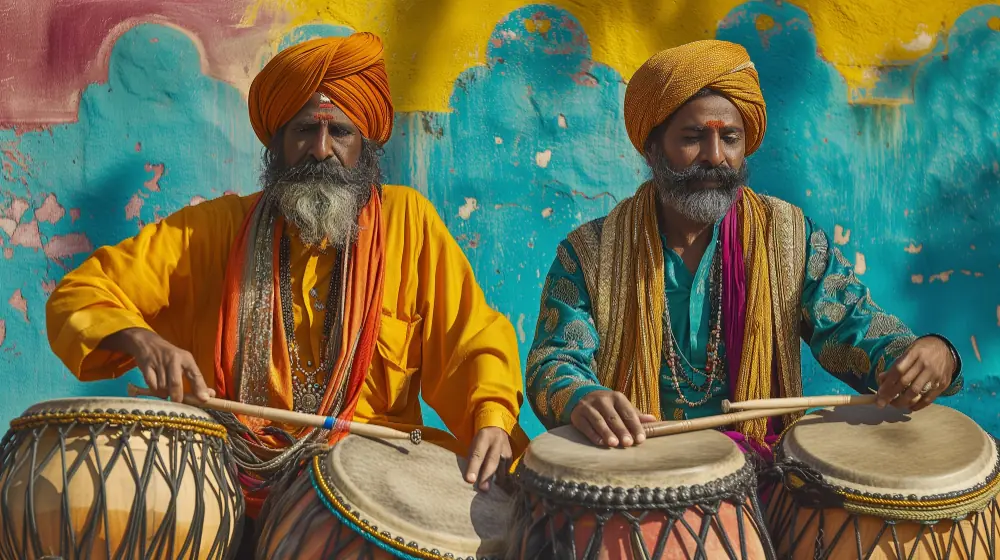
Tag: indiansingers

  • Exploring Indian Music Trends and Creative Growth

    Exploring Indian Music Trends and Creative Growth

    Music has always reflected culture, identity, and creativity, but few musical traditions are as rich and diverse as Indian music. From classical ragas and folk melodies to independent releases and digital-first compositions, the landscape continues to evolve in exciting ways. Artists, producers, and listeners are witnessing a remarkable shift in how music is created, distributed, and consumed. Whether you are an aspiring musician, an established creator, or simply someone passionate about sound, understanding the direction of Indian music can help you appreciate the opportunities shaping the industry.

    The growth of streaming platforms, independent artists, and digital production tools has transformed the creative journey for musicians across the country. As Indian music reaches wider audiences both domestically and internationally, creators are finding new ways to express themselves and build meaningful careers. This article explores key trends, growth opportunities, and important factors influencing the industry while highlighting how platforms like A3Tunes support artists in navigating the modern music ecosystem.

    Things to Know Before Exploring Modern Indian Music

    Before diving into the latest trends, it is important to understand the factors driving change in the music industry. The evolution of technology, audience behavior, and creative freedom has created a dynamic environment where artists can experiment, collaborate, and grow their presence more effectively than ever before.

    Digital Platforms Are Driving Discovery

    Streaming services have changed how listeners discover music. Instead of relying solely on traditional radio or television exposure, artists can now reach audiences directly through digital channels. This has opened opportunities for emerging musicians who may not have access to large production houses or established industry networks.

    Digital accessibility also allows creators to analyze audience preferences, engagement patterns, and listening habits. These insights help artists make informed decisions about future releases and promotional strategies while building stronger connections with fans.

    Independent Artists Are Growing Rapidly

    The rise of independent music has become one of the defining characteristics of modern Indian music. More artists are choosing to release music independently while maintaining creative control over their work. This trend encourages originality and diverse musical expression.

    Independent musicians are also benefiting from affordable recording technology, online distribution, and direct audience engagement. As a result, listeners now have access to a wider variety of sounds, genres, and artistic perspectives than ever before.

    Regional Music Is Reaching Larger Audiences

    Regional music has experienced significant growth in recent years. Songs created in languages such as Punjabi, Tamil, Telugu, Bengali, Marathi, and Malayalam are attracting listeners across geographic boundaries and cultural backgrounds.

    This increased visibility highlights the diversity of Indian music while creating opportunities for regional artists to expand their reach. Audiences are becoming more open to exploring music beyond their native language, encouraging greater cultural exchange through sound.

    Collaboration Is Shaping New Sounds

    Collaborative projects between singers, producers, instrumentalists, and content creators are becoming increasingly common. These partnerships often blend different styles and influences, resulting in fresh and innovative musical experiences.

    Cross-genre collaborations also help artists expand their audiences by introducing their work to new listener communities. Such creative exchanges continue to drive experimentation and artistic growth across the industry.

    Technology Is Expanding Creative Possibilities

    Modern music production tools allow creators to compose, record, edit, and distribute music more efficiently. Artists can now produce professional-quality tracks from home studios without requiring extensive infrastructure.

    Technology has also simplified global collaboration. Musicians from different cities and countries can work together remotely, enabling new creative opportunities and helping Indian music connect with international markets.

    Trend 1: The Rise of Independent Music

    Independent music continues to redefine the industry by giving artists greater control over their creative and professional journeys. Rather than relying entirely on traditional labels, musicians can distribute their work directly to audiences and build dedicated fan communities.

    Key advantages of independent music include:

    • Greater creative freedom
    • Direct audience engagement
    • Flexible release schedules
    • Stronger personal branding
    • Increased ownership of content

    This trend is encouraging more musicians to experiment with unique sounds and establish distinctive artistic identities.

    Trend 2: Growth of Regional and Vernacular Content

    Regional music is no longer limited to local audiences. Digital distribution has enabled songs in various Indian languages to reach listeners worldwide, creating new opportunities for artists and producers.

    Benefits of regional music growth include:

    • Wider cultural representation
    • Increased opportunities for local artists
    • Stronger audience connections
    • Diverse musical experiences
    • Expanded market reach

    As listeners embrace multilingual content, regional music continues to become a major force within Indian music.

    Trend 3: Short-Form Content Influencing Music Discovery

    Social media platforms have significantly changed how songs gain popularity. Short-form videos often introduce tracks to audiences who may later become dedicated listeners of the artist’s broader catalog.

    Important impacts include:

    • Faster audience discovery
    • Increased song visibility
    • Higher engagement rates
    • Viral marketing opportunities
    • Direct creator-listener interaction

    Artists who understand how to integrate music with digital content strategies can improve exposure and audience growth.

    Trend 4: Genre Blending and Creative Experimentation

    Musicians are increasingly combining traditional and contemporary influences to create unique listening experiences. Classical instruments, folk elements, electronic production, hip-hop rhythms, and global sounds often coexist within a single composition.

    Popular fusion approaches include:

    • Classical and electronic music
    • Folk and contemporary pop
    • Hip-hop and traditional instruments
    • Regional music and global genres
    • Acoustic and digital production styles

    This willingness to experiment contributes to the continued evolution of Indian music while helping artists stand out in a competitive market.

    Trend 5: Increased Focus on Artist Branding

    Success in the modern music industry involves more than producing great songs. Artists must also establish a recognizable identity that resonates with audiences and reflects their creative vision.

    Strong artist branding often includes:

    • Consistent visual identity
    • Authentic storytelling
    • Social media engagement
    • Professional presentation
    • Audience relationship building

    A clear brand helps artists differentiate themselves while creating stronger connections with listeners.

    Trend 6: Global Recognition of Indian Music

    International audiences are increasingly embracing music from India. Streaming platforms and social media have made it easier for artists to reach listeners across continents without traditional geographic limitations.

    Factors contributing to global growth include:

    • International streaming access
    • Cross-cultural collaborations
    • Global playlist placements
    • Rising interest in diverse music
    • Strong diaspora audiences

    As global exposure increases, Indian artists gain opportunities to expand their influence and showcase their creativity on larger stages.

    Creative Growth Opportunities for Emerging Artists

    The changing music landscape presents numerous opportunities for creators who are willing to learn, adapt, and innovate. Success often comes from combining artistic talent with strategic planning and consistent effort.

    Emerging artists can focus on:

    • Developing a unique sound
    • Building a consistent release schedule
    • Understanding audience preferences
    • Collaborating with other creators
    • Investing in production quality
    • Learning music distribution strategies
    • Creating engaging digital content

    By approaching music as both an art form and a professional endeavor, creators can establish sustainable growth paths within the industry.

    Why Choose A3Tunes for Your Music Journey?

    For artists seeking support in a competitive music environment, having the right platform can make a meaningful difference. A3Tunes is committed to helping creators navigate the evolving music landscape while providing valuable opportunities for visibility and growth.

    Some advantages of working with A3Tunes include:

    • Artist-focused support
    • Opportunities for music promotion
    • Access to distribution solutions
    • Industry knowledge and guidance
    • Commitment to creative development
    • Support for independent musicians

    By helping artists connect their music with broader audiences, A3Tunes contributes to creative growth and professional advancement within the music industry.

    Conclusion

    The future of Indian music is being shaped by innovation, diversity, and unprecedented creative freedom. Independent releases, regional music expansion, digital discovery, genre experimentation, and global audience engagement are transforming the opportunities available to musicians. Artists who understand these trends can make more informed decisions about their careers while positioning themselves for long-term success.

    As the industry continues to evolve, creators have more tools, platforms, and opportunities than ever before. Whether you are launching your first track or expanding an established music career, staying informed about emerging trends is essential. With a strong commitment to supporting artists and fostering creative growth, A3Tunes serves as a valuable partner for musicians looking to build their presence and contribute to the exciting future of Indian music.


  • Indian Music Industry Trends Shaping Future Artists

    Indian Music Industry Trends Shaping Future Artists

    Music in India has never been confined to a single style, language, or audience. From regional folk traditions and classical compositions to independent releases and global chart-topping hits, the landscape continues to evolve at an extraordinary pace. For aspiring musicians, producers, composers, and performers, understanding the direction of the indian music industry has become just as important as developing artistic skills. The opportunities available today are vastly different from those that existed even a decade ago, making industry awareness a crucial advantage for anyone hoping to build a sustainable music career.

    The modern music ecosystem is shaped by technology, audience behavior, content consumption patterns, and creative experimentation. As a result, artists who recognize emerging shifts can position themselves ahead of the curve rather than reacting after trends become mainstream. This article explores the most significant developments influencing the indian music industry and explains how these changes are creating new possibilities for future artists. Whether you are an independent singer, songwriter, producer, or music enthusiast, these insights offer a clearer understanding of where the industry is heading next.

    What Future Artists Should Know Before Following Industry Trends

    Before analyzing specific trends, it is important to understand that successful artists rarely depend on trends alone. Long-term growth comes from combining originality with market awareness. Emerging musicians who study industry movements can identify opportunities earlier, adapt their creative strategies, and make informed career decisions. The following factors provide valuable context for understanding the current direction of the music landscape.

    Streaming Platforms Drive Discovery

    Streaming platforms have fundamentally changed how listeners discover new music. Instead of depending solely on radio stations, television channels, or record labels, audiences now explore songs through curated playlists, recommendations, and personalized algorithms. This shift has created a more accessible environment where talented artists can reach listeners without traditional gatekeepers.

    For future musicians, understanding platform behavior is increasingly important. Consistent releases, audience engagement, and listener retention influence visibility. Artists who learn how streaming ecosystems operate can improve discoverability while building stronger connections with listeners across different regions and demographics.

    Regional Music Has Mainstream Power

    Regional music is no longer restricted to local audiences. Songs in Punjabi, Tamil, Telugu, Marathi, Bengali, and several other languages regularly attract millions of listeners nationwide. This growing acceptance has expanded opportunities for artists who wish to create music rooted in their cultural identity.

    Rather than adapting entirely to mainstream expectations, many musicians are finding success by embracing linguistic authenticity. Regional music trends demonstrate that audiences increasingly value originality, storytelling, and cultural representation, allowing artists to build dedicated fan communities around their unique sound.

    Social Media Shapes Music Consumption

    Social media platforms have become powerful music discovery engines. Short-form video content, creator collaborations, and viral challenges frequently influence listening habits. Songs can gain widespread attention within days when audiences engage with them creatively.

    Artists entering the industry must understand that music promotion now extends beyond traditional marketing. Visual storytelling, audience interaction, and consistent digital presence play essential roles in helping songs reach larger audiences. Strong social media strategies can significantly amplify music exposure.

    Independent Careers Are More Accessible

    Independent music has experienced substantial growth as artists gain greater access to production tools, distribution services, and promotional channels. Musicians no longer need major label backing to release professional-quality work and reach global listeners.

    This shift encourages creative freedom while giving artists greater control over their careers. Independent pathways allow musicians to experiment with genres, build direct audience relationships, and retain ownership of their creative output, making self-driven careers increasingly viable.

    Technology Continues to Influence Creativity

    Advancements in music technology are transforming both production and distribution. Affordable software, digital workstations, virtual instruments, and AI-assisted tools have lowered barriers to entry while expanding creative possibilities.

    Future artists benefit from understanding how technology complements creativity rather than replacing it. Musicians who combine technical knowledge with artistic vision can produce high-quality work efficiently and adapt more easily to industry developments.

    Rise of Independent Music Ecosystems

    One of the most significant developments in recent years is the expansion of independent music ecosystems. Artists are increasingly releasing music through their own channels while maintaining creative control over branding, production, and audience engagement. This approach allows musicians to experiment with unique sounds that might not fit conventional commercial expectations.

    The growth of independent communities has also encouraged collaboration among artists, producers, content creators, and digital marketers. These networks help emerging musicians access resources and audiences without relying exclusively on traditional industry structures. As independence becomes more sustainable, future artists have greater flexibility in shaping their careers.

    Regional Genres Gaining National Recognition

    Regional music continues to achieve broader visibility across India. Audiences are exploring diverse sounds beyond language barriers, creating new opportunities for musicians working in local genres. Streaming services and social media have accelerated this shift by making regional music easily accessible to listeners nationwide.

    For future artists, this trend highlights the value of authenticity. Musicians who remain connected to their cultural roots can create distinctive identities while reaching audiences beyond their immediate regions. As regional genres gain greater recognition, diversity becomes an increasingly important strength within the industry.

    Short-Form Content Influencing Music Success

    The relationship between music and short-form content has become stronger than ever. Songs frequently gain popularity through user-generated videos, trends, and creative challenges. Even lesser-known artists can achieve substantial visibility when their music resonates with digital audiences.

    This trend emphasizes the importance of creating memorable musical moments that encourage audience participation. While artistic quality remains essential, future artists must also consider how listeners interact with music in social environments. Adaptability and audience engagement are becoming valuable components of career growth.

    Growth of Artist Branding and Personal Identity

    Modern audiences often connect with artists as individuals rather than simply consuming their music. Personal stories, creative journeys, values, and behind-the-scenes content help build stronger audience relationships. As a result, artist branding has become a significant factor in long-term success.

    Future musicians should view branding as an extension of their artistic identity rather than a separate marketing activity. Authentic communication fosters trust and loyalty, helping artists establish deeper connections with listeners. Strong personal brands can support career development across multiple platforms and opportunities.

    Global Collaboration Opportunities Expanding

    The indian music industry is becoming increasingly connected with international markets. Cross-cultural collaborations, global streaming access, and worldwide audience engagement have created opportunities for Indian artists to reach listeners far beyond national boundaries.

    This trend encourages musicians to think globally while maintaining unique artistic perspectives. Artists who successfully blend local influences with universal appeal can attract diverse audiences. International collaborations also provide valuable learning experiences and exposure to different creative approaches.

    Why Choose A3Tunes for Music Industry Growth

    For aspiring artists seeking meaningful opportunities within the evolving music landscape, A3Tunes provides an environment focused on creativity, professional development, and industry relevance. As music consumption patterns continue to change, artists benefit from working with organizations that understand both traditional musical foundations and modern industry demands.

    A3Tunes supports musicians by encouraging artistic expression while helping them navigate contemporary opportunities within the entertainment sector. Whether artists aim to develop performance skills, strengthen industry knowledge, or explore new creative directions, having access to experienced guidance can make a significant difference. In a rapidly changing industry, informed support and professional development remain valuable assets for long-term success.

    Conclusion

    The future of the indian music industry is being shaped by innovation, accessibility, cultural diversity, and evolving audience preferences. Independent careers, regional music growth, streaming platforms, digital engagement, personal branding, and international collaborations are creating opportunities that previous generations of artists could only imagine. These developments demonstrate that success is no longer defined by a single path.

    For future artists, understanding these trends offers more than industry knowledge—it provides a roadmap for making smarter creative and career decisions. Musicians who combine authenticity, adaptability, and strategic awareness will be better positioned to thrive in an increasingly competitive environment. As the industry continues to evolve, those willing to embrace change while remaining true to their artistic vision will have the strongest foundation for sustainable growth and long-term success.


  • Explore Indian Music Industry Growth and Artist Success

    Explore Indian Music Industry Growth and Artist Success

    Music in India has always carried emotional, cultural, and commercial value across generations. From classical traditions and regional folk music to independent releases and digital streaming hits, the industry has transformed into a large creative economy with global influence. Artists are no longer dependent only on film studios or traditional labels to gain recognition. Audiences now discover songs through streaming platforms, live performances, social media, and collaborations that connect musicians directly with listeners. The rise of independent creators and digital accessibility has made Indian music more diverse, competitive, and commercially powerful than ever before.

    The modern entertainment space has created fresh opportunities for singers, composers, producers, and independent performers who want to establish a long-term career in music. This blog explores the major reasons behind industry growth, changing audience behavior, streaming culture, artist branding, and the role of digital platforms in shaping success. Readers will also understand how professional music distribution and promotional support can help musicians expand their audience reach and maintain visibility in a highly competitive market. Businesses like A3Tunes continue supporting artists who want stronger industry presence and better audience engagement.

    Important Factors Driving the Music Industry

    The Indian music market continues expanding because of technology, audience accessibility, regional diversity, and increased content demand. Music consumption has become more frequent due to smartphones, affordable internet, and streaming platforms that allow listeners to explore thousands of songs instantly. Independent musicians now compete alongside established performers because digital distribution reduces entry barriers. Record labels, event organizers, and music platforms are also investing more resources into discovering fresh talent across genres. These developments have strengthened the commercial structure of the industry while giving artists greater creative freedom and visibility.

    Streaming Platforms Have Changed Listening Habits

    Streaming platforms have completely changed the way audiences consume songs and discover new artists. Earlier, listeners depended mainly on radio stations, television channels, or physical albums for entertainment. Today, audiences can instantly access songs from multiple genres, languages, and artists through mobile applications. This convenience has increased listening hours and created more opportunities for musicians to gain recognition without relying only on traditional media exposure.

    Algorithms and curated playlists also help musicians connect with audiences who enjoy similar genres and musical styles. Independent performers benefit significantly because even small releases can reach listeners across different cities and countries. Consistent streaming numbers improve artist credibility and help musicians attract collaborations, sponsorships, and live performance opportunities. This shift has strengthened audience engagement while supporting faster industry growth.

    Independent Artists Are Receiving More Attention

    Independent artists have become an important part of the entertainment industry because listeners now value originality and authentic storytelling. Musicians can release songs independently without waiting for approval from major production companies. This creative freedom allows artists to experiment with styles, languages, and themes that represent their personality and artistic vision. As a result, audiences now enjoy a wider variety of music than before.

    Social media visibility and direct audience interaction also contribute to artist growth. Independent musicians can share previews, live sessions, and behind-the-scenes content that builds stronger fan relationships. Audiences appreciate this accessibility because it creates a personal connection with performers. Over time, consistent engagement helps artists develop loyal listeners who actively support releases, concerts, and collaborations.

    Regional Music Has Expanded Market Reach

    Regional music has become one of the strongest contributors to industry expansion in recent years. Audiences are increasingly interested in songs that reflect local languages, traditions, and cultural identity. Streaming platforms have made regional tracks easily accessible to listeners across India and international markets. This visibility has helped regional artists gain commercial success while preserving cultural expression through music.

    Film industries and independent creators from different states are also contributing to higher music production volumes. Regional songs frequently become national trends because digital platforms encourage wider discovery beyond geographical boundaries. Musicians who previously struggled to find recognition now attract millions of listeners through viral tracks and audience sharing. This broader acceptance has increased investment in diverse music projects.

    Live Performances Continue Creating Revenue

    Live performances remain one of the most valuable revenue sources for musicians despite the rapid growth of digital streaming. Concerts, festivals, private events, and cultural shows allow artists to connect directly with audiences while strengthening their public image. Successful live performances often increase streaming numbers because attendees continue engaging with songs after events. This relationship between digital listening and physical performances benefits artists significantly.

    Event organizers are also expanding music festivals and entertainment programs across cities, creating more performance opportunities for emerging artists. Independent musicians who build strong stage presence often gain attention from promoters and collaborators looking for fresh talent. As audience demand for live entertainment increases, artists can develop sustainable careers through touring, ticket sales, merchandise, and sponsorship partnerships.

    Social Media Influences Artist Recognition

    Social media platforms have become essential tools for artist promotion and audience engagement. Musicians no longer depend solely on television appearances or expensive advertising campaigns to gain recognition. Short-form videos, live sessions, music previews, and fan interactions allow artists to maintain visibility regularly. Viral trends and audience sharing can quickly increase song popularity and attract attention from industry professionals.

    Artists who consistently create engaging content often develop stronger personal brands. Audiences follow musicians not only for songs but also for personality, creativity, and communication style. This continuous interaction improves fan loyalty and helps musicians remain relevant in a competitive market. Social media has therefore become a major factor influencing career growth and commercial opportunities.

    Growth of Independent Music Labels

    Independent music labels are becoming increasingly influential because artists now seek flexible partnerships that support creativity and ownership. Many musicians prefer working with companies that provide distribution, promotion, and branding support without limiting artistic direction. This model benefits both artists and labels because it encourages innovation while maintaining commercial growth. Independent labels are also more willing to explore regional sounds, experimental genres, and emerging talent.

    The rise of digital platforms has strengthened the role of smaller music companies in artist development. Labels can now market songs through online campaigns, playlist placements, and social media promotions instead of relying entirely on traditional advertising. This efficient approach helps artists reach targeted audiences faster. Companies like A3Tunes support creators by helping them improve visibility and manage digital music distribution more effectively.

    How Technology Is Transforming Music Production

    Technology has significantly reduced the cost and complexity of music production. Earlier, artists required expensive studio access and large production teams to create professional recordings. Today, affordable software, home studios, and digital tools allow musicians to produce high-quality tracks independently. This accessibility has increased music output across genres while encouraging experimentation among new artists.

    Digital production tools also help artists collaborate remotely with composers, producers, and sound engineers from different locations. This flexibility improves efficiency and allows musicians to complete projects faster without geographical limitations. As production technology continues advancing, more artists can enter the industry with lower financial barriers and stronger creative control over their work.

    Audience Preferences Are Becoming More Diverse

    Audience preferences within the music industry are changing rapidly because listeners now explore multiple genres instead of remaining limited to one style. Younger audiences especially enjoy discovering experimental sounds, fusion music, independent releases, and regional tracks. Streaming platforms encourage this diversity by recommending songs based on listening behavior and personal interests. This broader exposure benefits artists who create unique musical experiences.

    Listeners also value authenticity and emotional connection more than formula-based commercial music. Songs that reflect relatable experiences or cultural identity often gain strong audience engagement online. This shift has encouraged artists to focus more on storytelling, originality, and creative expression rather than only following mainstream trends. As a result, the industry now supports wider artistic diversity and innovation.

    Why Artist Branding Matters More Than Ever

    Artist branding has become an essential part of long-term success because audiences connect with personalities as much as music itself. Musicians who maintain consistent visual identity, communication style, and audience engagement often build stronger fan loyalty. Branding helps artists differentiate themselves in a crowded entertainment market where thousands of songs are released regularly.

    Strong branding also increases professional opportunities beyond music streaming. Artists with recognizable public image can attract sponsorships, collaborations, event invitations, and media attention more effectively. Consistent branding across social media, music videos, live performances, and promotional campaigns improves visibility while helping artists maintain audience interest over time.

    Why Choose A3Tunes for Music Growth Support

    A3Tunes supports artists by helping them strengthen digital presence and improve audience reach within a competitive music industry. Musicians require more than just talent to succeed consistently because modern entertainment markets depend heavily on visibility, branding, and effective distribution strategies. Professional support allows artists to focus on creativity while ensuring their work reaches the right audience across digital platforms.

    The company understands the changing structure of the industry and works with artists who want stronger recognition and long-term growth. From music distribution assistance to promotional support, creators benefit from services designed to improve discoverability and audience engagement. Artists who partner with experienced music platforms often gain better opportunities to expand professionally while maintaining creative independence.

    Conclusion

    The Indian music industry continues evolving through digital innovation, independent artistry, regional diversity, and changing audience behavior. Musicians today have more opportunities to build careers without depending entirely on traditional entertainment structures. Streaming services, social media, live performances, and modern production technology have created an environment where creativity and accessibility work together to support industry growth.

    Artists who focus on originality, audience engagement, and professional branding are more likely to achieve sustainable success in a highly competitive market. As listener preferences continue changing, musicians must adapt to new promotional strategies and digital opportunities. Companies like A3Tunes contribute to this growth by helping artists improve visibility and strengthen their presence across modern music platforms. The future of Indian music looks increasingly diverse, global, and creatively ambitious.


  • Indian Music Industry Trends Growth and Opportunities

    Indian Music Industry Trends Growth and Opportunities

    The rhythm of change is unmistakable when you observe how music consumption habits have evolved across India. From local performances and physical albums to streaming platforms and independent releases, the transformation has been rapid and deeply influential. Anyone exploring the Indian music industry today is likely to notice how diverse sounds, languages, and formats coexist while competing for attention. This environment creates curiosity among artists, producers, and listeners who want to understand where the industry is heading and what factors are shaping its expansion.

    This blog explores the Indian music industry by breaking down its key trends, growth drivers, and emerging opportunities. It offers structured insights into what is influencing production, distribution, and audience engagement. For creators, labels, and businesses looking to build a presence, this guide provides clarity on what to expect and how to align with industry shifts. If you are planning to step into music creation or distribution, understanding these aspects will help you make informed decisions and identify areas where platforms like A3Tunes can support your journey effectively.

    Key Factors Shaping the Industry Landscape

    Understanding the forces behind the evolution of music in India requires a closer look at the foundational elements that influence growth. These factors collectively determine how artists create, distribute, and monetize their work while also shaping listener behavior. From technological adoption to cultural diversity, each element contributes to a complex ecosystem that continues to expand. Before diving into specific trends and opportunities, it is essential to recognize these core influences that define the present and future of the industry.

    Digital Streaming Platforms

    Digital streaming has significantly altered how audiences access music, shifting preferences away from traditional formats toward on-demand listening. Platforms provide instant availability of songs across genres and languages, enabling listeners to discover new artists without geographical limitations. This accessibility has increased music consumption rates while also encouraging experimentation among creators who are no longer restricted by conventional distribution models.

    At the same time, streaming platforms have introduced new revenue structures, making it possible for artists to earn through plays, subscriptions, and algorithm-driven visibility. The data generated through these platforms helps creators understand audience behavior, allowing them to tailor their content strategically. As a result, digital streaming continues to act as a central driver of growth within the industry.

    Rise of Independent Artists

    The growth of independent artists has redefined how music is produced and released in India. Without relying solely on traditional record labels, artists now have the tools to create, distribute, and promote their work independently. This shift has opened doors for diverse voices and experimental genres that may not have found space in conventional setups.

    Independent musicians are leveraging social media, streaming platforms, and digital marketing strategies to build their audience directly. This direct connection with listeners fosters authenticity and loyalty, which are essential for long-term success. As more artists embrace independence, the industry continues to diversify in both sound and storytelling.

    Regional Language Expansion

    India’s linguistic diversity plays a crucial role in shaping music trends, with regional languages gaining significant traction in recent years. Audiences are increasingly seeking content that resonates with their cultural identity, leading to a surge in regional music production and consumption. This shift has encouraged artists to create in their native languages while still reaching national and global audiences.

    The expansion of regional music has also attracted investments from platforms and labels that recognize its potential. By catering to diverse linguistic preferences, the industry is not only broadening its reach but also strengthening its cultural representation. This trend continues to create opportunities for artists across different regions.

    Social Media Influence

    Social media platforms have become powerful tools for music discovery and promotion. Viral trends, short-form videos, and user-generated content play a significant role in determining which songs gain popularity. Artists can now reach millions of listeners without traditional marketing campaigns, relying instead on organic engagement and shareability.

    The influence of social media extends beyond promotion, as it also shapes how music is created. Many artists design songs with viral potential in mind, focusing on catchy hooks and relatable themes. This dynamic interaction between creators and audiences has transformed the way music gains traction in the industry.

    Technology and Production Tools

    Advancements in music production technology have made it easier for creators to produce high-quality content from their own spaces. Affordable software, virtual instruments, and digital audio workstations have reduced the need for expensive studio setups, enabling more people to participate in music creation.

    These tools have not only democratized production but also accelerated the pace of content creation. Artists can experiment with different sounds, collaborate remotely, and release music more frequently. As technology continues to evolve, it will further enhance creativity and accessibility within the industry.

    Major Trends Driving Growth

    The growth of the music industry in India is shaped by several prominent trends that reflect changing audience preferences and technological advancements. These trends highlight how the industry is adapting to new consumption patterns while creating opportunities for innovation. By examining these developments, it becomes easier to understand the direction in which the industry is moving and the potential it holds for future expansion.

    Growth of Music Streaming Revenue

    Revenue generated through music streaming has become a significant contributor to the industry’s financial growth. Subscription-based models, advertising, and partnerships have created multiple income streams for platforms and artists alike. This shift from physical sales to digital revenue has made the industry more scalable and accessible.

    As more users adopt streaming services, the overall market continues to expand. This growth is supported by increasing internet penetration and smartphone usage, which enable more people to access music online. The steady rise in streaming revenue indicates a sustainable future for the industry.

    Expansion of Live Music Events

    Live music events have experienced a resurgence, with concerts and festivals attracting large audiences across the country. These events provide artists with opportunities to connect with fans while generating significant revenue. The demand for live experiences reflects a desire for immersive and interactive entertainment.

    Organizers are investing in better production quality, diverse lineups, and innovative formats to enhance audience engagement. This expansion of live events contributes to the overall growth of the industry by creating additional revenue streams and increasing visibility for artists.

    Collaboration Across Genres

    Collaborations between artists from different genres have become increasingly common, resulting in unique and innovative music. These partnerships allow creators to experiment with new sounds and reach wider audiences by combining their fan bases. Cross-genre collaborations often lead to fresh and unexpected musical experiences.

    Such collaborations also reflect the evolving tastes of listeners, who are more open to diverse influences. By blending different styles, artists can create music that appeals to a broader audience while pushing creative boundaries. This trend continues to shape the industry’s artistic landscape.

    Influence of Global Music

    Global music trends have a noticeable impact on the Indian music scene, with international styles influencing production and composition. Artists are incorporating elements from global genres while maintaining their cultural identity, resulting in a fusion of sounds that resonates with diverse audiences.

    This exchange of musical influences is facilitated by digital platforms that allow easy access to global content. As listeners explore music from different parts of the world, their preferences evolve, encouraging local artists to experiment and innovate. The influence of global music continues to enrich the industry.

    Growth of Music Licensing and Sync

    Music licensing and synchronization have emerged as important revenue streams, with songs being used in films, advertisements, and digital content. This trend highlights the increasing demand for music across various media platforms, creating opportunities for artists to monetize their work beyond traditional channels.

    As brands and content creators seek unique soundtracks, the value of music licensing continues to rise. Artists who understand this aspect can leverage their music for broader exposure and financial growth. This trend adds another dimension to the industry’s expansion.

    Opportunities in the Indian Music Industry

    The evolving landscape of the music industry in India presents numerous opportunities for artists, producers, and businesses. These opportunities are driven by technological advancements, changing audience preferences, and the increasing accessibility of music platforms. By identifying and leveraging these opportunities, individuals and organizations can establish a strong presence in the industry.

    Opportunities for Independent Artists

    Independent artists have access to a wide range of tools and platforms that enable them to create and distribute music without traditional barriers. This independence allows them to maintain creative control while reaching global audiences. The ability to release music directly to listeners has transformed the career paths of many artists.

    With the right strategies, independent musicians can build sustainable careers by engaging with their audience and leveraging digital platforms. This opportunity continues to attract new talent, contributing to the industry’s growth and diversity.

    Opportunities in Music Distribution

    Music distribution has become more accessible with the rise of digital platforms that connect artists to global audiences. These platforms simplify the process of releasing music across multiple streaming services, ensuring wider reach and visibility. Efficient distribution is essential for maximizing the impact of music releases.

    Businesses that offer distribution services play a crucial role in supporting artists by providing tools, analytics, and promotional support. This creates opportunities for both service providers and creators to grow within the industry.

    Opportunities in Music Production Services

    The demand for high-quality music production services continues to grow as more artists enter the industry. Producers, sound engineers, and studios have opportunities to collaborate with creators and contribute to the development of professional music projects.

    This demand is driven by the increasing expectations of listeners who seek polished and engaging content. By offering specialized services, professionals can establish themselves as valuable contributors to the industry’s ecosystem.

    Opportunities in Artist Branding

    Building a strong personal brand is essential for artists looking to stand out in a competitive market. Branding involves creating a distinct identity, engaging with audiences, and maintaining consistency across platforms. This aspect of the industry offers opportunities for marketing professionals and creative strategists.

    Effective branding helps artists connect with their audience on a deeper level, fostering loyalty and recognition. As competition increases, the importance of branding continues to grow, making it a key opportunity within the industry.

    Opportunities in Music Technology

    The integration of technology in music creation and distribution opens up opportunities for innovation. Developers and entrepreneurs can create tools and platforms that enhance the music experience for both creators and listeners. From production software to analytics tools, technology plays a vital role in shaping the industry.

    As the demand for advanced solutions increases, there is significant potential for growth in this area. By focusing on innovation, businesses can contribute to the industry’s evolution while creating new revenue streams.

    Why Choose A3Tunes for Your Music Journey

    A3Tunes offers a comprehensive platform designed to support artists at every stage of their music journey. From distribution to promotion, the platform provides tools and services that simplify the process of releasing and managing music. This integrated approach ensures that artists can focus on their creativity while leveraging professional support.

    By choosing A3Tunes, artists gain access to resources that enhance their visibility and growth within the industry. The platform’s commitment to empowering creators makes it a valuable partner for anyone looking to succeed in the music space.

    Conclusion

    The indian music industry continues to evolve, driven by technological advancements, diverse cultural influences, and changing audience preferences. Its growth is supported by emerging trends and expanding opportunities that benefit artists, businesses, and listeners alike. Understanding these dynamics is essential for anyone looking to navigate the industry effectively.

    As the industry moves forward, platforms like A3Tunes play a crucial role in enabling artists to reach their full potential. By leveraging the insights and opportunities discussed in this blog, creators can position themselves for success and contribute to the ongoing evolution of the music landscape.


  • Start Your Playback Singer Journey with Expert Tips

    Start Your Playback Singer Journey with Expert Tips

    Stepping into music often begins with a quiet realization that singing feels more than just a hobby. You may find yourself imagining how your voice would sound in films, albums, or original compositions, slowly shaping the idea of becoming a playback singer. This curiosity grows stronger when you notice how voices create emotional depth and bring stories to life. At this stage, you are not just exploring music casually, but actively looking for direction that can transform your interest into a structured and rewarding path. The idea of becoming a playback singer starts feeling achievable when you understand that every successful artist once stood exactly where you are now, trying to figure out the first step.

    This blog presents clear and practical insights that help you understand what it takes to grow as a playback singer. From foundational preparation to actionable techniques, each section focuses on helping you build skills, confidence, and awareness of the industry. You will explore the essential areas that shape a singer’s journey and learn how to approach them with clarity and consistency. If you are serious about progressing, structured learning and guided exposure can significantly influence your growth. The following sections will give you a detailed roadmap that supports your ambition and helps you move forward with confidence and purpose.

    Important Things to Know Before Becoming a Playback Singer

    Before beginning your journey, it is important to understand that becoming a playback singer involves more than just having a good voice. It requires discipline, continuous learning, and awareness of how the music industry functions. Many aspiring singers focus only on singing ability, but long-term success depends on how well you build your foundation. Understanding these aspects early helps you avoid confusion and ensures that your efforts are directed in the right way.

    Having clarity at the beginning also allows you to develop a structured approach toward your growth. Instead of relying on random practice or inconsistent efforts, you begin to focus on improving specific areas that matter in professional singing. This not only saves time but also builds confidence as you start noticing steady progress. The following key aspects will help you prepare yourself before stepping deeper into your playback singer journey.

    Understanding Vocal Training

    A well-trained voice is built through consistent practice and proper guidance rather than relying only on natural ability. Vocal training helps you improve pitch accuracy, breath control, and tonal quality, which are essential for recording songs across different genres. It also strengthens your vocal endurance, allowing you to perform for longer durations without strain or inconsistency. Developing these technical aspects ensures that your voice remains flexible and adaptable in different musical situations.

    Over time, structured vocal training allows you to understand your vocal range and limitations more clearly. This awareness helps you choose songs that suit your voice while gradually expanding your capabilities. It also reduces the risk of vocal damage caused by incorrect techniques. With proper training, your voice becomes more controlled, expressive, and reliable, which are essential qualities for any playback singer.

    • Practicing breathing exercises helps maintain stability and control while singing complex compositions
    • Regular vocal warm-ups improve pitch clarity and reduce the risk of vocal strain during practice sessions
    • Learning under guidance allows you to correct mistakes early and build a strong technical base

    Importance of Music Understanding

    A deeper understanding of music helps you interpret compositions more effectively and collaborate better with composers and producers. It allows you to grasp the structure of songs, recognize patterns, and adapt quickly during recording sessions. This knowledge also supports creative expression, enabling you to experiment while staying aligned with musical requirements. Developing this understanding enhances both your confidence and versatility as a singer.

    When you understand how music is constructed, you become more than just a singer—you become a contributor to the overall performance. This allows you to bring more depth and originality to your singing. It also improves your ability to learn songs quickly, which is an important skill in professional environments where time is limited and expectations are high.

    • Learning basic rhythm patterns improves timing and synchronization with music tracks
    • Understanding melody structures helps in delivering accurate and expressive performances
    • Recognizing musical variations allows you to adapt your voice to different styles and moods

    Building Confidence and Expression

    Confidence plays a major role in how effectively you deliver your voice. Even during studio recordings, emotional expression influences how the final output connects with listeners. Being confident allows you to experiment with variations and deliver performances that feel natural and engaging. This ability grows with consistent exposure and practice in different environments.

    Expression is equally important because playback singing is about conveying emotions through voice. Without proper expression, even technically correct singing may sound flat. Developing both confidence and expression ensures that your performances feel authentic and impactful, helping you connect with listeners on a deeper level.

    • Practicing in front of others helps reduce hesitation and builds performance comfort
    • Recording your own voice helps you identify areas of improvement and refine delivery
    • Focusing on expression ensures your singing conveys the intended emotion of the song

    Awareness of Industry Expectations

    Understanding how the music industry operates helps you prepare for real opportunities. From auditions to collaborations, every step requires professionalism and readiness. Being aware of these expectations allows you to present yourself confidently and make better decisions throughout your journey. This awareness also helps you avoid common mistakes that can slow down your progress.

    Professional environments often demand quick adaptability and clear communication. When you understand what is expected, you are able to respond more effectively during auditions and recordings. This not only improves your chances of success but also helps you build a strong reputation over time.

    • Learning how auditions work prepares you for real performance situations
    • Understanding professional behavior improves your chances of building strong connections
    • Staying informed about trends helps you align your skills with current industry needs

    Consistency and Practice Discipline

    Consistency is one of the most important factors in developing your singing abilities. Regular practice ensures steady improvement and helps you retain what you learn over time. Without discipline, even strong talent may not reach its full potential. Building a structured routine allows you to focus on different aspects of singing systematically.

    A disciplined approach also helps you stay motivated during slow progress phases. Instead of feeling discouraged, you remain focused on gradual improvement. Over time, this consistency builds strong habits that support long-term growth and stability in your singing journey.

    • Setting a daily practice schedule helps maintain continuous progress in skill development
    • Dividing practice into segments improves focus on specific techniques and areas
    • Tracking your improvement keeps you motivated and aware of your growth over time

    Expert Tips to Start Your Playback Singer Journey

    Once you understand the fundamentals, applying the right strategies can accelerate your growth. These expert tips focus on practical actions that help you refine your voice, gain exposure, and move closer to professional opportunities. Each step plays a role in shaping your journey and preparing you for the expectations of playback singing.

    Following a structured approach ensures that your efforts are aligned with your goals. Instead of relying on guesswork, you begin to take intentional steps that improve your skills and visibility. The following tips will guide you in building a strong and sustainable path toward becoming a playback singer.

    Develop a Unique Vocal Identity

    Creating a distinct vocal identity helps you stand out in a competitive environment. Instead of imitating others, focusing on your natural strengths allows you to build a recognizable style. This individuality becomes your signature, making your voice memorable for listeners and industry professionals.

    A unique voice not only attracts attention but also creates opportunities for long-term recognition. When your singing reflects your personality, it becomes more authentic and engaging. This helps you build a strong connection with your audience and establish your presence in the industry.

    • Exploring different genres helps you discover your natural vocal strengths and preferences
    • Experimenting with tone variations allows you to shape a unique sound identity
    • Consistent practice in your preferred style strengthens your individuality over time

    Practice Recording Techniques

    Playback singing requires comfort in studio environments where precision is essential. Practicing recording techniques helps you understand microphone usage, timing, and consistency. This familiarity ensures that you perform confidently during professional sessions without unnecessary hesitation.

    Recording practice also helps you become aware of how your voice translates through audio systems. This allows you to make adjustments that improve clarity and quality. Over time, you develop the ability to deliver accurate and polished performances consistently.

    • Practicing with a microphone improves your control over voice projection and clarity
    • Recording multiple takes helps you refine accuracy and reduce errors
    • Listening to recordings allows you to evaluate and improve your performance quality

    Build a Strong Portfolio

    A well-prepared portfolio showcases your abilities and creates opportunities for recognition. It acts as a representation of your skills and helps you present your work to potential collaborators or platforms. A strong portfolio increases your chances of being noticed and selected for projects.

    Your portfolio should reflect both your strengths and versatility. Including a variety of recordings helps demonstrate your ability to adapt to different styles. This makes your profile more appealing to those looking for reliable and flexible singers.

    • Recording sample tracks highlights your vocal range and versatility
    • Organizing your best work helps present your abilities clearly and professionally
    • Updating your portfolio regularly keeps it aligned with your current skill level

    Learn Versatility in Singing Styles

    Versatility allows you to adapt to different musical requirements and expand your opportunities. Playback singers often need to perform across multiple genres, making flexibility an essential skill. Developing this ability ensures that you can meet diverse expectations effectively.

    Being versatile also increases your chances of getting selected for different types of projects. Instead of being limited to one style, you become capable of handling various compositions. This adaptability is highly valued in professional environments.

    • Practicing different genres improves your adaptability and vocal flexibility
    • Understanding style variations helps you deliver authentic performances
    • Expanding your range allows you to handle a variety of compositions confidently

    Seek Professional Guidance

    Guidance from experienced mentors accelerates your learning process and helps you avoid common mistakes. Structured training provides clarity and direction, ensuring that your efforts are focused and effective. Learning from professionals also exposes you to industry insights that are difficult to gain independently.

    Professional guidance also helps you stay accountable and consistent in your efforts. With regular feedback, you are able to identify areas of improvement and work on them efficiently. This significantly enhances your overall development as a singer.

    • Learning from experienced mentors improves your technical and creative skills
    • Receiving feedback helps you identify and correct mistakes efficiently
    • Structured training ensures consistent and organized development

    Why Choose A3Tunes for Your Singing Journey

    Choosing the right platform plays a significant role in how effectively you grow as a singer. A structured environment that offers training, exposure, and guidance can accelerate your progress and help you reach professional standards. A3Tunes focuses on nurturing talent through organized learning and practical opportunities, making it easier for aspiring singers to build their careers with confidence.

    The platform provides access to expert guidance, structured programs, and opportunities to showcase your abilities. This combination ensures that your learning is not limited to theory but extends to real-world application. Being part of such an environment helps you stay motivated and consistent while building the skills required to succeed as a playback singer.

    Conclusion

    Starting your journey as a playback singer requires a combination of passion, discipline, and the right guidance. By understanding the fundamentals and applying expert tips, you can gradually build the skills needed to succeed in this field. Each step you take contributes to your growth, shaping your voice, confidence, and overall musical identity.

    With the right approach and a supportive platform, your journey can become more structured and rewarding. Staying consistent, open to learning, and focused on improvement will help you move forward with clarity. Over time, these efforts will bring you closer to achieving your goal of becoming a successful playback singer.


  • Explore Indian Music Industry and Artist Opportunities

    Explore Indian Music Industry and Artist Opportunities

    The pull of Indian music is impossible to ignore when you look at how deeply it connects cultures, generations, and evolving creative expressions across the country. Whether someone is discovering classical ragas, independent artists, or contemporary fusion sounds, there is always a sense of curiosity about how this ecosystem works and where new talent fits into it. Many aspiring musicians, producers, and creators find themselves wondering how they can participate, what opportunities exist, and how the structure of the industry actually supports growth.

    This blog provides a structured overview of the Indian music landscape and highlights the different artist opportunities available today. From understanding foundational industry elements to exploring modern platforms that enable exposure and growth, every section is designed to give clarity and direction. If you are aiming to build a presence, collaborate, or simply understand the ecosystem better, this guide will walk you through the most important aspects while helping you take the next step toward engaging with professional platforms that support artist journeys.

    Understanding the Structure of the Industry

    The Indian music ecosystem is layered and multifaceted, combining traditional institutions with modern digital frameworks that shape how artists create and distribute their work. It includes record labels, independent distribution platforms, live performance circuits, streaming services, and content-based revenue models that together form a complex yet accessible environment for creators. Each layer contributes differently, making it essential for artists to understand where they fit and how they can leverage these segments for growth.

    At the same time, the structure is continuously evolving due to technological shifts and audience behavior. Independent artists now have more control over their careers, while established players continue to dominate large-scale production and promotion. Understanding how these segments interact allows artists to make informed decisions about their career path and ensures that they can position themselves effectively within the broader ecosystem.

    Role of Digital Platforms

    Digital platforms have transformed the way music is consumed, shared, and monetized, creating unprecedented access for both listeners and creators. Streaming services, social media channels, and content-sharing platforms allow artists to reach audiences without relying solely on traditional gatekeepers. This shift has opened new doors for emerging talent to showcase their work and build a loyal following organically over time.

    In addition to accessibility, digital platforms provide valuable analytics and audience insights that help artists refine their strategies. By understanding listener behavior, geographic reach, and engagement patterns, creators can make informed decisions about releases, collaborations, and promotional efforts. This data-driven approach has become an essential part of navigating the modern Indian music ecosystem.

    • Artists can distribute music globally without physical limitations
    • Platforms provide audience analytics for strategic growth
    • Independent creators gain visibility without traditional labels

    Importance of Music Distribution

    Music distribution plays a critical role in ensuring that an artist’s work reaches the right audience across various channels. It involves placing music on streaming platforms, digital stores, and other outlets where listeners can access it easily. Without effective distribution, even high-quality music may struggle to find its audience, making this aspect a key consideration for any artist.

    Modern distribution services also offer additional features such as royalty tracking, copyright management, and promotional support. These tools help artists maintain control over their work while ensuring that they receive fair compensation. Understanding how distribution works allows creators to maximize their reach and establish a sustainable presence in the industry.

    • Ensures music is available on multiple streaming platforms
    • Helps track royalties and earnings efficiently
    • Provides tools for copyright and ownership management

    Live Performance Opportunities

    Live performances remain one of the most impactful ways for artists to connect with audiences and build their reputation. Concerts, festivals, and local gigs offer opportunities to showcase talent, gain exposure, and create memorable experiences that resonate with listeners. These events also serve as networking platforms where artists can connect with industry professionals.

    With the rise of hybrid and virtual events, performance opportunities have expanded beyond physical venues. Artists can now reach audiences across different regions without geographical constraints. This flexibility allows creators to experiment with formats and engage with diverse audiences, strengthening their presence in the indian music landscape.

    • Builds direct connection with audiences through performances
    • Provides networking opportunities with industry professionals
    • Expands reach through virtual and hybrid events

    Collaboration and Networking

    Collaboration is a driving force behind innovation and creativity in the music industry. Working with other artists, producers, and composers allows individuals to explore new styles, expand their skill set, and reach different audiences. Networking, on the other hand, helps build relationships that can lead to long-term opportunities and partnerships.

    A strong network can significantly impact an artist’s career trajectory by opening doors to projects, events, and promotional channels. Engaging with communities, attending industry events, and leveraging digital platforms are effective ways to build meaningful connections that support growth and visibility.

    • Encourages creative growth through shared expertise
    • Expands audience reach through joint projects
    • Builds long-term professional relationships

    Revenue Streams for Artists

    The financial landscape of the music industry has diversified, offering multiple revenue streams for artists. These include streaming royalties, live performances, brand collaborations, merchandise sales, and licensing opportunities. Understanding these streams helps artists create a balanced approach to income generation.

    By diversifying revenue sources, artists can reduce dependency on a single income channel and achieve greater financial stability. Strategic planning and awareness of available opportunities enable creators to maximize their earnings while continuing to focus on their artistic growth.

    • Includes streaming, performances, and brand partnerships
    • Provides financial stability through multiple income sources
    • Enables artists to monetize their work effectively

    Key Artist Opportunities in the Industry

    The indian music space offers a wide range of opportunities for artists at different stages of their careers. From independent releases to collaborations with established labels, the options available today cater to diverse goals and creative directions. Understanding these opportunities allows artists to choose paths that align with their vision and long-term aspirations.

    Each opportunity comes with its own set of requirements, benefits, and challenges. By exploring these avenues in detail, artists can identify the most suitable options for their journey and take actionable steps toward achieving their goals within the industry.

    Independent Music Releases

    Independent releases have become a powerful avenue for artists who want complete control over their creative output. By managing their own production, distribution, and promotion, creators can build a unique identity and connect directly with their audience. This approach allows for experimentation and flexibility in terms of style and content.

    While independence offers creative freedom, it also requires strategic planning and consistent effort. Artists must handle multiple aspects of their career, including marketing and audience engagement. With the right approach, independent releases can lead to significant recognition and growth.

    • Offers full creative control over music production
    • Enables direct engagement with audiences
    • Requires strong self-management and marketing skills

    Signing with Record Labels

    Record labels provide structured support for artists, including production resources, marketing expertise, and industry connections. Signing with a label can accelerate an artist’s career by providing access to larger audiences and professional guidance. This path is often suitable for those looking to scale their reach quickly.

    However, it is important for artists to understand the terms and conditions associated with label agreements. Maintaining a balance between creative freedom and commercial expectations is crucial for long-term success. Careful evaluation ensures that artists make informed decisions about partnerships.

    • Provides professional support and resources
    • Expands reach through established networks
    • Requires understanding of contractual agreements

    Music Licensing and Sync Deals

    Licensing music for films, advertisements, and digital content is a lucrative opportunity for artists. Sync deals allow creators to showcase their work in various media formats, increasing visibility and generating additional income. This avenue is particularly beneficial for composers and producers.

    Securing licensing opportunities often involves building relationships with content creators and understanding industry requirements. By creating versatile and high-quality music, artists can position themselves for success in this competitive segment of the industry.

    • Generates income through media placements
    • Increases visibility across different platforms
    • Requires understanding of licensing processes

    Brand Collaborations

    Collaborating with brands allows artists to expand their reach and explore new creative possibilities. These partnerships often involve promotional campaigns, sponsored content, and live events that align with the artist’s image and audience. Brand collaborations can significantly enhance visibility and credibility.

    To succeed in this area, artists must maintain authenticity and ensure that partnerships align with their values. Strategic collaborations can lead to long-term relationships that benefit both the artist and the brand.

    • Enhances visibility through brand partnerships
    • Provides additional income opportunities
    • Requires alignment with brand values and audience

    Building a Personal Brand

    Developing a strong personal brand is essential for standing out in a competitive industry. It involves creating a unique identity that reflects an artist’s style, values, and vision. A well-defined brand helps attract audiences, collaborators, and industry professionals.

    Consistency and authenticity are key factors in building a successful personal brand. By maintaining a clear message and engaging with their audience regularly, artists can establish a lasting presence in the Indian music landscape.

    • Creates a distinct identity in the industry
    • Attracts audiences and collaborators
    • Requires consistency and authentic engagement

    Why Choose A3Tunes for Artist Growth

    A3Tunes provides a comprehensive platform designed to support artists at every stage of their journey. From distribution to promotion, the platform offers tools and resources that help creators navigate the complexities of the industry. Its focus on empowering artists ensures that they have the support needed to achieve their goals.

    By leveraging innovative solutions and industry expertise, A3Tunes enables artists to reach wider audiences and maximize their potential. The platform’s commitment to transparency and efficiency makes it a reliable choice for those looking to build a sustainable career in the indian music space.

    Conclusion

    The Indian music industry continues to expand, offering diverse opportunities for artists to explore and grow. By understanding the structure, leveraging available platforms, and making informed decisions, creators can build meaningful careers that reflect their passion and talent. Each pathway discussed in this blog highlights the potential for success when approached strategically.

    As artists navigate their journey, choosing the right platform and resources becomes crucial. A3Tunes stands out as a valuable partner in this process, providing the tools and support needed to thrive in a competitive environment. With the right approach and guidance, artists can confidently take the next step toward achieving their goals in the ever-evolving music landscape.


  • Exploring the Indian Music Industry Future and Revenue

    Exploring the Indian Music Industry Future and Revenue

    The Indian music industry has evolved into a dynamic ecosystem where artists, producers, and platforms continuously reshape how music is created, distributed, and monetized. From independent creators uploading tracks online to large-scale production houses launching global hits, the landscape is rich with opportunities and insights. Anyone exploring the Indian music industry today is often driven by curiosity about its future direction, revenue streams, and the factors influencing its rapid expansion across digital and traditional channels.

    This blog provides a comprehensive overview of the Indian music, focusing on its future trajectory and revenue potential. It breaks down essential aspects you should understand before diving deeper, followed by key components that define its growth. Whether you are an artist, investor, or enthusiast, this guide equips you with structured insights and encourages you to explore professional services that can help you navigate and grow within this competitive yet rewarding space.

    Key Factors Shaping the Industry Landscape

    Understanding the broader ecosystem of the music industry is essential before evaluating its future and revenue streams. Multiple forces such as technology adoption, audience behavior, content distribution channels, and monetization models play a crucial role in shaping outcomes. These elements collectively define how artists gain visibility, how revenue is generated, and how sustainable growth is achieved in the long run. Below are the most important aspects that influence this evolving industry.

    Digital Streaming Growth and Impact

    The rise of digital streaming platforms has fundamentally transformed how audiences consume music and how artists reach listeners. Streaming services have replaced traditional formats like CDs and downloads, offering instant access to vast music libraries. This shift has enabled artists to distribute their work globally without relying heavily on traditional gatekeepers, opening new pathways for growth and recognition.

    At the same time, revenue models have shifted toward streaming royalties, where earnings depend on play counts and platform algorithms. This creates both opportunities and challenges, as artists must consistently produce engaging content to remain relevant. Understanding how streaming ecosystems function is essential for anyone aiming to succeed in this evolving space.

    • Streaming platforms enable global reach without physical distribution barriers
    • Algorithm-driven recommendations influence artist visibility and growth
    • Revenue depends heavily on consistent listener engagement and play counts

    Rise of Independent Artists

    Independent artists are playing an increasingly significant role in shaping the music industry landscape. Without the need for traditional record labels, creators can produce, distribute, and market their music independently using digital tools and platforms. This shift has democratized access to the industry, allowing diverse voices and unique sounds to emerge.

    However, independence also requires artists to manage multiple aspects of their careers, including branding, promotion, and revenue management. Success in this space depends on strategic planning and a strong understanding of audience engagement, making it essential for artists to develop both creative and business skills.

    • Artists can release music independently without relying on major labels
    • Creative control remains fully with the artist throughout production
    • Marketing and audience engagement become critical for growth

    Evolution of Revenue Streams

    The music industry has diversified its revenue sources beyond traditional album sales. Today, income is generated through streaming royalties, live performances, brand collaborations, licensing, and digital content monetization. This multi-channel approach provides artists with more opportunities to earn and sustain their careers.

    Diversification also means that relying on a single income stream is no longer sufficient. Artists and stakeholders must explore multiple avenues to maximize earnings and maintain financial stability. Understanding how these revenue streams interact is key to building a sustainable presence in the industry.

    • Revenue comes from streaming, live events, licensing, and partnerships
    • Diversification reduces dependency on a single income source
    • Strategic planning is required to maximize earnings across channels

    Influence of Social Media Platforms

    Social media platforms have become powerful tools for music discovery and promotion. Artists can directly connect with their audience, share content, and build a loyal fan base without intermediaries. Viral trends and user-generated content often play a significant role in boosting a song’s popularity.

    However, maintaining a strong social media presence requires consistency and creativity. Artists must continuously engage with their audience and adapt to changing trends to remain relevant. This makes social media an essential component of modern music marketing strategies.

    • Social media enables direct interaction between artists and audiences
    • Viral trends can significantly boost song popularity
    • Consistent content creation is necessary for sustained engagement

    Technological Advancements in Production

    Advancements in music production technology have made it easier for artists to create high-quality content from home studios. Digital audio workstations, virtual instruments, and AI-powered tools have reduced the barriers to entry, enabling more creators to participate in the industry.

    These innovations have also accelerated the pace of content creation, increasing competition among artists. While technology provides powerful tools, success still depends on creativity, originality, and the ability to connect with audiences through meaningful music.

    • Affordable tools allow artists to produce music independently
    • Technology speeds up production and content release cycles
    • Creativity remains a key differentiator despite technological access

    Key Revenue Drivers in the Industry

    The revenue structure of the music industry is shaped by multiple interconnected components that contribute to its overall growth. Each revenue driver offers unique opportunities and requires a strategic approach to maximize returns. Understanding these drivers helps stakeholders identify areas of focus and optimize their efforts for long-term success.

    Streaming Revenue and Royalties

    Streaming platforms are one of the largest contributors to industry revenue. Artists earn royalties based on the number of streams their songs receive, making listener engagement a crucial factor. Playlists and algorithmic recommendations significantly influence streaming numbers.

    To maximize earnings, artists must focus on consistent releases and audience retention strategies. Building a loyal listener base ensures steady streams and long-term revenue growth, making streaming a foundational element of modern music monetization.

    • Revenue is generated through per-stream royalty payments
    • Playlist placements increase visibility and streaming numbers
    • Consistent releases help maintain listener engagement

    Live Performances and Concerts

    Live performances remain a major revenue source for artists, offering direct interaction with fans and opportunities for ticket sales. Concerts, tours, and events contribute significantly to overall earnings while enhancing an artist’s brand presence.

    Organizing successful live events requires careful planning, marketing, and audience engagement. Artists who can deliver memorable performances often build stronger fan loyalty, leading to repeat attendance and higher revenue potential.

    • Ticket sales contribute significantly to artist income
    • Live events strengthen audience connection and loyalty
    • Touring expands reach and increases brand visibility

    Brand Collaborations and Sponsorships

    Collaborations with brands provide artists with additional income streams and increased exposure. Companies often partner with musicians for advertising campaigns, endorsements, and promotional activities, leveraging their influence to reach target audiences.

    These partnerships require alignment between the artist’s image and the brand’s identity. Successful collaborations can enhance credibility and open doors to new opportunities, making them a valuable component of the revenue ecosystem.

    • Brands partner with artists for promotions and campaigns
    • Collaborations increase visibility and credibility
    • Alignment between brand and artist identity is essential

    Licensing and Sync Opportunities

    Music licensing allows artists to earn revenue by granting permission for their songs to be used in films, advertisements, television shows, and digital content. Sync opportunities can significantly boost an artist’s income and exposure.

    Securing licensing deals requires networking and understanding industry requirements. Artists who actively pursue these opportunities can create additional income streams while reaching wider audiences through various media platforms.

    • Licensing generates income from media usage of music
    • Sync deals increase exposure across different platforms
    • Networking plays a key role in securing opportunities

    Digital Content Monetization

    Digital platforms offer various monetization options, including ad revenue, subscriptions, and fan-supported content. Artists can leverage platforms like video-sharing and social media to generate income while engaging with their audience.

    Creating consistent and high-quality digital content is essential for success in this space. Artists who effectively utilize these platforms can build strong communities and generate sustainable revenue over time.

    • Platforms provide multiple monetization methods
    • Audience engagement drives digital earnings
    • Consistency is key to long-term success

    Future Trends in the Indian Music Industry

    The future of the music industry is shaped by innovation, evolving consumer preferences, and global connectivity. Emerging trends indicate significant growth opportunities for artists and stakeholders who adapt to changing dynamics and leverage new technologies effectively.

    Expansion of Regional Music Markets

    Regional music is gaining prominence as audiences increasingly seek content in their native languages. This trend has opened new opportunities for artists to cater to diverse cultural preferences and expand their reach.

    The growing demand for regional content highlights the importance of understanding local markets and audience behavior. Artists who embrace this trend can tap into new revenue streams and build strong connections with their listeners.

    • Regional content attracts diverse audience segments
    • Localized music strengthens cultural connections
    • Expanding into regional markets increases revenue potential

    Integration of AI and Music Technology

    Artificial intelligence is transforming music creation, distribution, and consumption. AI tools can assist in composing, mastering, and analyzing audience preferences, enabling artists to make data-driven decisions.

    While AI enhances efficiency, it also raises questions about creativity and originality. Balancing technological innovation with artistic expression will be crucial for the future of the industry.

    • AI tools assist in music production and analysis
    • Data-driven insights improve audience targeting
    • Balancing creativity with technology is essential

    Growth of Global Collaborations

    Cross-border collaborations are becoming increasingly common, allowing artists to reach international audiences. Partnerships between artists from different regions create unique musical experiences and expand market reach.

    These collaborations also contribute to cultural exchange and innovation, enriching the global music landscape. Artists who engage in international projects can significantly enhance their visibility and revenue potential.

    • Collaborations expand audience reach globally
    • Cross-cultural projects create unique music styles
    • International exposure increases revenue opportunities

    Rise of Virtual Concerts and Experiences

    Virtual concerts and digital experiences have gained popularity, offering new ways for artists to connect with their audience. These events provide accessibility and convenience, allowing fans to participate from anywhere.

    As technology continues to evolve, virtual experiences are expected to become more immersive and interactive. Artists who embrace this trend can explore innovative revenue models and expand their audience base.

    • Virtual events provide global accessibility
    • Digital experiences enhance audience engagement
    • Innovation drives new revenue opportunities

    Increased Focus on Artist Branding

    Branding has become a critical aspect of an artist’s success, influencing how they are perceived by their audience. A strong brand identity helps artists stand out in a competitive market and build lasting connections with fans.

    Developing a consistent brand requires strategic planning and effective communication. Artists who invest in branding can create a recognizable presence and unlock additional opportunities for growth and monetization.

    • Branding differentiates artists in a competitive market
    • Consistent identity builds audience trust
    • Strong branding attracts partnerships and opportunities

    Why Choose A3Tunes for Music Growth

    A3Tunes provides comprehensive solutions for artists looking to grow and succeed in the music industry. From distribution and promotion to monetization and branding, the platform offers a range of services designed to support artists at every stage of their journey.

    By leveraging industry expertise and advanced tools, A3Tunes helps artists navigate the complexities of the music ecosystem. Whether you are an emerging artist or an established professional, choosing the right platform can significantly impact your growth and revenue potential.

    Conclusion

    The Indian music industry continues to expand, driven by technological advancements, evolving audience preferences, and diversified revenue streams. Artists and stakeholders who understand these dynamics can position themselves for long-term success and growth. By exploring various opportunities and adapting to emerging trends, it is possible to build a sustainable and rewarding presence in this vibrant industry.

    Ultimately, success in the music industry requires a combination of creativity, strategy, and adaptability. Platforms like A3Tunes play a crucial role in supporting artists by providing the tools and resources needed to thrive. With the right approach and guidance, the future of the industry holds immense potential for growth and innovation.