Tag: independent music

  • DIY Music Distribution: A Beginner’s Guide

    DIY Music Distribution: A Beginner’s Guide

    Introduction

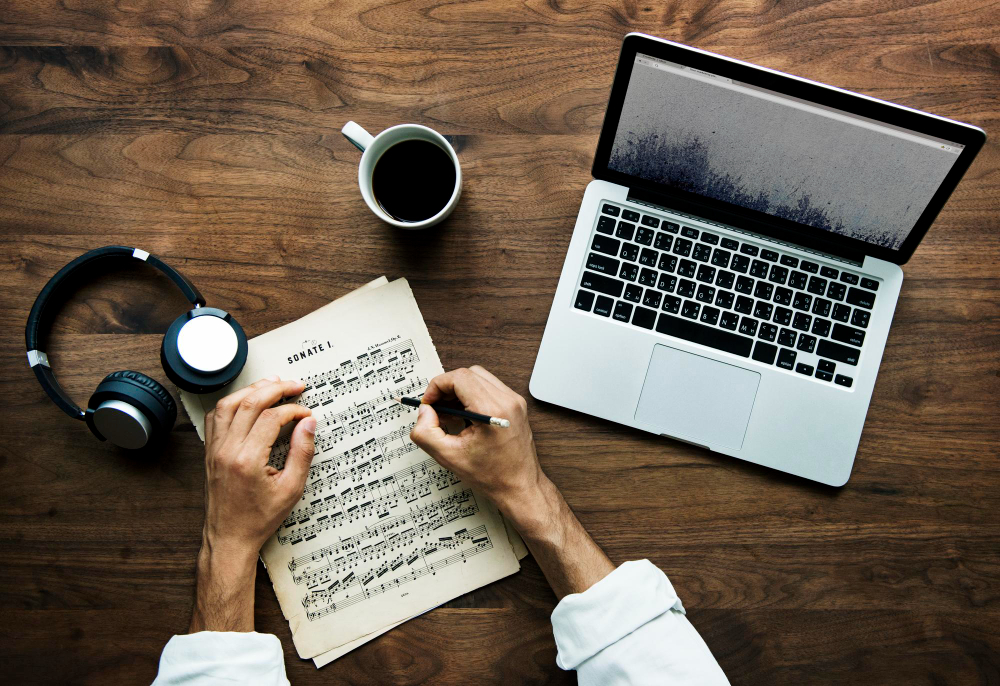
    The music industry has transformed dramatically in the digital age, giving independent artists unprecedented control over their careers. DIY music distribution allows musicians to release their songs on streaming platforms, digital stores, and social media without relying on traditional record labels. Imagine creating a track in your bedroom studio and making it available worldwide within days—that’s the power of digital distribution. However, while this approach gives artists creative freedom, it also requires a strategic mindset to reach the right audience effectively.

    In this guide, we’ll explore the basics of DIY music distribution, from choosing the right platforms to understanding royalties and promotion. Whether you’re an aspiring musician or an established artist looking to go independent, you’ll learn how to navigate the process step by step. By the end, you’ll know how to release your music successfully, maintain control of your rights, and build a sustainable fanbase. Let’s dive in and unlock the potential of independent distribution.

    Things to Know Before Starting DIY Music Distribution

    Before jumping into distribution, it’s crucial to understand how the ecosystem works. Digital distribution isn’t just about uploading your tracks—it’s about ensuring your music reaches the right listeners and generates revenue. Knowing the fundamentals will help you avoid common mistakes, like losing royalties or signing unfavorable agreements.

    The following sections explain the key elements you need to know before starting. From copyright basics to metadata accuracy, these insights will prepare you for a smooth distribution journey. Let’s break down each factor in detail.

    Understanding Music Rights and Ownership

    Before releasing music independently, you need to understand who owns what. If you’ve collaborated with other producers, songwriters, or session musicians, clarify ownership shares and agreements beforehand. Misunderstanding rights can lead to legal disputes later.

    Registering your work with a performing rights organization (PRO) ensures you receive royalties for streaming, downloads, and public performances. DIY artists must protect their intellectual property before making it public to avoid unauthorized use.

    Choosing the Right Digital Distribution Platforms

    Not all distribution platforms are the same. Some focus on getting your music into major streaming services like Spotify, Apple Music, and Deezer, while others specialize in niche audiences. Popular DIY platforms include TuneCore, DistroKid, and CD Baby.

    Each platform has different pricing models—some charge annual fees, while others take a percentage of your royalties. Research carefully to choose the service that best fits your budget and long-term goals.

    Preparing High-Quality Audio and Artwork

    Before uploading, ensure your tracks meet industry standards. Poor audio quality can turn listeners away instantly. Use professional mixing and mastering to give your music a polished sound.

    Equally important is your cover art. Streaming services often reject submissions with low-resolution or improperly formatted artwork. Invest in high-quality visuals that represent your brand and attract potential listeners.

    Accurate Metadata and Song Credits

    Metadata is the backbone of digital music distribution. It includes essential information like song title, artist name, release date, and ISRC codes. Incorrect or missing metadata can lead to misdirected royalties or make your music harder to discover.

    Always double-check spelling, capitalization, and contributor details before submission. Proper metadata ensures you get credit for your work and helps fans find your music more easily.

    Building a Release Strategy and Promotion Plan

    Uploading your song is only half the battle—you also need a marketing plan. Think about when and how you’ll promote your release. Will you use social media campaigns, email newsletters, or influencer collaborations?

    Building hype before release day increases your chances of landing on editorial playlists and gaining new listeners. A well-planned release strategy helps your DIY music distribution efforts yield better results.

    Steps to Successfully Distribute Your Music Independently

    Now that you know the basics, let’s look at the step-by-step process of DIY music distribution. Following these steps will ensure your release goes smoothly and reaches its maximum potential.

    Step 1: Select the Best Distribution Service for Your Needs

    Your first major decision is choosing the right distributor. Services like TuneCore, DistroKid, CD Baby, and AWAL each offer unique features. Some prioritize fast delivery to streaming platforms, while others provide extra tools like royalty splits and analytics.

    Compare pricing models, payout schedules, and support services before committing. If you plan multiple releases, an annual subscription model might save money in the long run.

    Step 2: Finalize Your Mastered Tracks and Cover Art

    Once you’ve selected a distributor, ensure your music is fully ready for upload. High-resolution WAV or FLAC files are standard for digital distribution. Avoid MP3s as they may compromise quality.

    Your artwork should meet platform requirements, typically 3000×3000 pixels in JPG or PNG format. Investing in professional design helps your music stand out in crowded playlists.

    Step 3: Enter Accurate Metadata and Song Details

    Carefully fill out all required metadata fields during the submission process. Double-check spelling for artist names, track titles, and contributor credits. Don’t forget genre tags and descriptions, which help platforms categorize your music correctly.

    Adding lyrics, composer names, and proper ISRC/UPC codes ensures your songs are correctly tracked for royalty payments. Small mistakes here can cause big headaches later.

    Step 4: Schedule Your Release Date Strategically

    Timing matters in music distribution. Avoid releasing your song with no promotion or during busy industry periods unless strategically planned. Aim for at least 4-6 weeks of lead time to build anticipation.

    Pre-save campaigns, teaser posts, and media outreach before the release can boost initial streams. A planned release strategy increases your chances of landing on algorithmic and editorial playlists.

    Step 5: Promote Your Release Across Multiple Channels

    Once your song is live, don’t stop at uploading—promotion is key. Share your music on social media, send it to blogs, and pitch it to playlist curators. Consistent engagement keeps momentum going beyond release day.

    Consider running ads on Instagram, TikTok, or YouTube to reach new audiences. DIY doesn’t mean doing everything alone—collaborate with other artists and influencers to expand your reach.

    Why Choose A3Tunes for DIY Music Distribution Support

    While DIY music distribution gives you control, it can also be overwhelming for beginners. A3Tunes offers expert guidance to help independent artists distribute their music efficiently and professionally. From platform selection to metadata optimization, they ensure every step of the process is smooth and error-free.

    A3Tunes also provides additional resources like promotional strategies, playlist pitching, and long-term career advice. Partnering with A3Tunes allows you to focus on your creativity while they handle the technical and logistical aspects of distribution.

    Conclusion

    DIY music distribution has empowered artists to share their work with the world without relying on traditional record labels. However, success requires more than just uploading a track—it involves understanding rights, choosing the right platforms, preparing high-quality materials, and promoting strategically. By following these steps, you can take full control of your music career and maximize your reach.

    If you’re looking for professional support to navigate the process, A3Tunes can help you streamline your DIY journey. Their expertise ensures your releases are optimized for success, leaving you more time to focus on creating great music. Take the first step toward independent music distribution today!

    FAQs

    1. What is DIY music distribution?
      DIY music distribution is the process of releasing your music independently on digital platforms without a record label. 
    2. Do I need a distributor to upload music to Spotify and Apple Music?
      Yes, most major streaming services require you to use an approved distributor to deliver your music. 
    3. Which DIY distribution service is best for beginners?
      TuneCore, DistroKid, and CD Baby are popular options, each with different pricing and features. 
    4. How do I get paid for streams and downloads?
      Your distributor collects royalties from streaming platforms and pays you according to their schedule. 
    5. Can I distribute music without owning 100% of the rights?
      You need permission from all rights holders before releasing a song publicly. 
    6. How long does it take for music to go live on streaming platforms?
      Typically 2-7 days, but it’s better to allow at least 2 weeks for a planned release. 
    7. Do I need ISRC codes for my music?
      Yes, ISRC codes identify individual tracks for royalty tracking. Most distributors provide them automatically. 
    8. What’s the best way to promote my music after release?
      Use social media campaigns, playlist pitching, influencer collaborations, and email marketing. 
    9. Can I switch distributors later?
      Yes, but you’ll need to re-upload your music, which may affect existing streams and playlists. 
    10. How can A3Tunes help with DIY music distribution?
      A3Tunes guides you through every step, ensuring your music is properly distributed and promoted for maximum reach. 


  • Knowing Your Music Distribution Rights with A3 Tunes

    Knowing Your Music Distribution Rights with A3 Tunes

    Knowing Your Music Distribution Rights with A3 Tunes

    Introduction

    When you pour your heart into creating music, the last thing you want is to lose control over how it’s shared, sold, or streamed. For many artists, understanding music distribution rights can feel overwhelming—contracts, platforms, and royalties often seem like a foreign language. Yet, knowing how your rights work is the first step toward protecting your creative work and ensuring that you’re fairly compensated for every play, download, or purchase.

    In this blog, we’ll break down everything you need to know about music distribution rights in a clear, structured way. We’ll explore key terms, factors to consider before distributing, the types of rights that matter most, and how platforms like A3 Tunes empower artists with transparent, artist-first distribution services. By the end, you’ll feel confident about managing your rights and maximizing your reach as an independent artist. If you’re ready to secure your place in today’s fast-moving music industry, explore A3 Tunes distribution services today.


    Things to Know Before Managing Music Distribution Rights

    Understanding music distribution rights isn’t just about legal jargon—it’s about knowing what impacts your earnings, control, and opportunities. Before you dive into distributing your music, there are several foundational aspects every artist should understand. These basics set the stage for making informed decisions and protecting your career in the long run.

    Below, we’ll break these factors into individual sections so you can get a clear picture of what’s at stake. Each one plays a crucial role in shaping how your music is distributed, monetized, and protected across global platforms.

    Understanding Copyright in Music

    At the heart of music distribution lies copyright law. Copyright grants creators the legal right to control how their music is used, distributed, and monetized. This includes both the composition (lyrics and melody) and the sound recording (the actual recorded version of the track). Without registering or understanding copyright, artists risk losing ownership of their work or allowing others to profit from it unfairly.

    For independent musicians, copyright ensures that when your song is streamed on Spotify or used in a video, you have the authority to claim royalties. Platforms like A3 Tunes simplify this process by helping artists navigate copyright and maintain full ownership while distributing to top digital outlets. Having this protection in place ensures your music career is built on a strong legal foundation.

    Difference Between Mechanical and Performance Rights

    One of the most confusing parts of music distribution rights is the difference between mechanical and performance rights. Mechanical rights relate to the reproduction of your music—whether through CDs, downloads, or digital streams. Performance rights, on the other hand, cover the public performance of your music, such as radio play, concerts, or streaming on platforms.

    Understanding the difference matters because royalties are collected separately for each type. As an artist, you want to ensure that both are accounted for in your distribution deals. Companies like A3 Tunes streamline this by making sure your tracks are licensed correctly, so you don’t miss out on royalties from either mechanical or performance rights.

    Exclusive vs. Non-Exclusive Distribution Agreements

    When distributing your music, you’ll encounter both exclusive and non-exclusive agreements. An exclusive agreement gives one distributor sole rights to distribute your music, which can limit your flexibility but might offer more focused marketing. A non-exclusive agreement allows you to distribute through multiple platforms, giving you more freedom.

    For independent artists, non-exclusive agreements are often the better choice because they allow for maximum reach without losing control. A3 Tunes specializes in flexible, artist-friendly deals that prioritize independence, ensuring you maintain ownership while accessing top streaming platforms.

    The Importance of Royalties and Revenue Splits

    Royalties are the lifeblood of music distribution. Every stream, download, or use of your track generates some form of royalty. However, many artists lose income because they don’t fully understand revenue splits or the hidden fees distributors take.

    A transparent distributor like A3 Tunes ensures you see exactly how much you’re earning and keeps splits fair. This clarity is crucial for artists who want to grow sustainably, reinvest in their careers, and build long-term success without financial surprises.

    Digital Rights Management (DRM) in Music

    Digital Rights Management (DRM) is the technology that controls how digital content is accessed and shared. In music distribution, DRM protects against unauthorized copying, sharing, or piracy. For independent artists, this is especially important because piracy can significantly cut into potential earnings.

    With A3 Tunes, DRM is built into the distribution process, ensuring your tracks are protected while still reaching global audiences. By combining accessibility with protection, DRM gives artists peace of mind knowing their work is safe across platforms.


    Types of Music Distribution Rights You Should Know

    Once you understand the foundations, the next step is to dive deeper into the different categories of distribution rights. Each type determines how your music is shared, protected, and monetized in different scenarios. Missing out on one of these rights can lead to lost income or control over your work.

    Below, we’ll walk through the most important types of rights every musician should be familiar with.

    Mechanical Rights in Music Distribution

    Mechanical rights are essential because they cover the reproduction of your music in both physical and digital formats. This includes everything from CDs and vinyl to downloads and streaming. Without mechanical rights, you cannot legally control how your music is copied and distributed.

    Platforms like A3 Tunes make sure that your music’s mechanical rights are properly handled, ensuring you get the royalties you deserve every time your music is downloaded or streamed. This protection helps artists build sustainable revenue streams while keeping control over their music.

    Performance Rights and Public Broadcasting

    Performance rights allow you to control when and where your music is performed publicly. This includes live shows, radio plays, and even streaming platforms. Organizations like ASCAP, BMI, and PRS collect these royalties on behalf of artists.

    When you distribute through A3 Tunes, your tracks are registered in ways that ensure performance royalties are tracked globally. This ensures that no matter where your music is played, you’re credited and compensated fairly.

    Synchronization Rights for Music Licensing

    Synchronization (sync) rights apply when your music is paired with visual media, such as movies, commercials, or YouTube videos. This is one of the most lucrative areas of the music business, as a single sync placement can generate significant income and exposure.

    Independent artists often overlook sync licensing, but distributors like A3 Tunes make it easier to access opportunities for placements. By ensuring your sync rights are secured, you can tap into new revenue streams beyond streaming.

    Master Recording Rights Ownership

    The master recording is the actual recorded version of your song, and owning its rights is critical. If you don’t own your masters, you may lose control over how your music is used or distributed. Historically, many artists have signed away master rights, leading to financial loss and disputes.

    With A3 Tunes, artists retain full ownership of their masters while benefiting from global distribution. This gives you long-term security and the ability to profit from your work indefinitely.

    Neighboring Rights in Music

    Neighboring rights are royalties earned when your recording is played publicly, such as on radio, TV, or in venues. They are similar to performance rights but apply specifically to the sound recording rather than the composition.

    By ensuring your music is properly registered for neighboring rights, A3 Tunes helps you unlock another source of revenue. Many artists miss out on these royalties simply because they aren’t aware of them, but with the right distributor, you won’t leave money on the table.


    Why Choose A3 Tunes for Your Music Distribution Rights?

    Choosing the right distribution partner can make all the difference in your career. A3 Tunes stands out because it prioritizes artist independence, transparency, and global reach. Unlike traditional distributors that lock artists into restrictive contracts, A3 Tunes empowers you with flexible agreements while ensuring you keep full ownership of your music.

    Another key advantage is transparency. With A3 Tunes, you always know how your royalties are split and exactly what you’re earning. Their artist-first approach means there are no hidden fees, making it easier for you to plan and grow your music career with confidence.

    Most importantly, A3 Tunes combines protection and accessibility. Whether it’s DRM security, sync licensing opportunities, or registering your tracks for global royalties, A3 Tunes ensures that your music not only reaches audiences worldwide but also earns you what you deserve. For independent artists seeking growth and control, this makes A3 Tunes a standout choice.


    Conclusion

    Understanding music distribution rights is one of the most important steps in building a sustainable music career. From copyright and royalties to mastering and sync licensing, each right plays a critical role in how your music is shared, monetized, and protected. Without this knowledge, artists risk losing control of their work and missing out on valuable revenue.

    With A3 Tunes, you don’t just get access to global platforms—you get a distribution partner that prioritizes your independence, transparency, and security. Their services are designed to empower musicians, ensuring every track is properly protected and monetized while reaching the widest possible audience.

    If you’re ready to take charge of your music and maximize your potential, visit A3 Tunes today and start distributing with confidence.

  • Your Royalties, Your Rules; The Ultimate Music Distribution Guide

    Your Royalties, Your Rules; The Ultimate Music Distribution Guide

    Your Royalties, Your Rules: The Ultimate Music Distribution Guide

    It is your time to step into the spotlight. Understanding how payouts and royalties work is no longer optional—it is essential for your success.

    As a singer or musician, your creativity deserves not just recognition but also fair compensation. At A3Tunes, we make this happen. Our mission is simple: empower you with transparency and control over your earnings.

    If you’re looking for music distribution in India or want to distribute your music on platforms like Spotify, Amazon, JioSaavn, and more—without worrying about hidden fees—then A3Tunes is your ideal partner.

    The A3Tunes Philosophy: Artist Comes First

    While many platforms claim to prioritize artists, A3Tunes proves it with action. Our foundation rests on three core pillars:

    • Transparency – No hidden clauses or revenue cuts

    • Creative Control – You retain 100% ownership of your music

    • Fairness – You keep all your earnings

    Whether you’re starting your journey or building a growing fan base, A3Tunes ensures your rights and royalties stay with you. We believe in complete transparency—you earn it, you keep it. Learn more about A3Tunes.

    How Royalties Work in Digital Music Distribution

    To see how A3Tunes supports you, let’s explore how digital royalties function:

    • Royalties are payments artists earn when their music is streamed or downloaded.

    • Platforms like Spotify, Amazon Music, Apple Music, and JioSaavn pay these royalties to music distributors.

    • The distributor then transfers these payments to the artist, sometimes deducting platform or service fees.

    Several factors influence your earnings:

    • The number of streams or downloads

    • The streaming platform

    • The region where your music is played

    • Whether the listener is on a free or premium plan

    Now let’s look at how A3Tunes simplifies this process.

    Transparent Revenue Sharing

    We offer free music distribution without compromising your royalty earnings. Our model includes:

    • 0% Commission on Royalties – We do not deduct anything from your earnings.

    • Free Plan – Distribute your music on 30+ platforms including Spotify, Amazon, and JioSaavn.

    • Optional Add-ons – Services like playlist pitching or social media boosts are available separately. Your royalties remain untouched.

    While other platforms may hide commissions in the fine print, A3Tunes uses a clear and honest freemium model. Discover our key features.

    Getting Paid: A Step-by-Step Process

    We have designed a seamless experience for artists to ensure hassle-free payments:

    1. Upload Your Track – Log in, upload your music, and select your distribution platforms.

    2. Global Delivery – We distribute your music to over 30 streaming services.

    3. Engagement Tracking – As fans stream or purchase your music, data is recorded.

    4. Royalty Collection – Platforms pay us royalties based on performance.

    5. Artist Wallet – We deposit 100% of those earnings into your A3Tunes wallet.

    You can withdraw your royalties at any time using your preferred payment method. For assistance, contact us.

    Minimum Payouts and Withdrawal Timelines

    We make our payout process artist-friendly:

    • No Minimum Threshold – Withdraw even ₹10. No waiting for larger amounts.

    • Timely Processing – Payouts are typically processed within 30–45 days.

    • Flexible Options – Choose UPI, bank transfer, or Paytm to receive your earnings.

    No Delays, No Hidden Clauses

    Many artists face payment delays due to unclear agreements. At A3Tunes, your dashboard shows:

    • Real-time earnings updates

    • Platform-specific breakdowns

    • Withdrawal history

    You will always know what you’re earning, when you’re earning it, and how much is available. For more clarity, visit our FAQ page.

    Detailed Royalty Reports

    We equip you with data to help grow your music career:

    • Platform Reports – View earnings from Spotify, Amazon, JioSaavn, and more

    • Geographical Insights – Identify where your audience is listening from

    • Track-Level Analysis – Understand which songs are performing best

    • Performance vs Payout – Track streams alongside actual revenue

    This level of transparency helps you plan promotions and optimize your music strategy. Explore more on our blog.

    Taxes and Compliance

    Because we operate in India, we ensure local tax compliance:

    • TDS Deduction – Compliant with Indian tax laws. We provide TDS certificates.

    • GST Support – If applicable, we issue GST-compliant invoices.

    • Accounting Simplicity – Our documentation supports individual or label-level tax filings.

    Why Indian Artists Prefer A3Tunes

    Here’s why thousands of artists trust A3Tunes:

    • Free music distribution across leading platforms

    • 100% royalty retention

    • Real-time reporting

    • Multiple payout methods

    • Tax-compliant operations

    • Responsive support team

    • Tools to distribute music on Spotify, Amazon, JioSaavn, and more

    Whether you’re a rapper from Mumbai, a folk band in Shillong, or a regional singer in Tamil Nadu, A3Tunes supports you.

    A3Tunes’ Commitment

    At A3Tunes, transparency and fairness are core values. We offer more than distribution—we offer control over your music journey.

    Start distributing on Spotify, Amazon Music, JioSaavn, Apple Music, and other platforms without hidden charges. Check out our pricing to begin.

    Take control of your music career. Sign up at A3Tunes and join artists across India who are claiming their spotlight today.