Tag: independent artist guide

  • Step by Step Music Distribution Process for Beginners

    Step by Step Music Distribution Process for Beginners

    For many independent artists, finishing a song feels like reaching the summit of a long creative climb. Yet the real journey often begins after the final mix is ready. Musicians who want listeners across the world to hear their work must understand how music distribution actually works. Without a clear process, songs may sit on a hard drive instead of reaching streaming platforms where audiences discover new music every day. Learning the structure behind music distribution helps beginners move from private creativity to public release with confidence, clarity, and realistic expectations about how their music will travel across platforms.

    This guide explains the full process of music distribution step by step so beginners can move forward without confusion. Instead of guessing what happens after recording a track, artists can understand each stage involved in delivering music to streaming services and digital stores. From preparation and metadata to platform selection and release scheduling, every part of music distribution plays a role in how your work appears to listeners. By understanding this structure early, musicians can avoid common delays, present their music professionally, and prepare themselves for consistent releases as their audience continues to grow.

    Things to Know Before Starting Music Distribution

    Before sending your track to platforms, there are several essential aspects of the distribution process that artists should understand. Many beginners focus only on uploading a file, but successful releases require more preparation than that. Distribution involves ownership verification, structured information about the track, release timing, and an understanding of how streaming platforms organize content. When these details are handled correctly, the release process becomes smooth and predictable. When they are ignored, artists may experience delays, incorrect listings, or missed opportunities for audience discovery.

    Understanding these core elements ensures that the process of releasing music is not rushed or incomplete. Each part of preparation supports the next stage of the release journey, helping your track appear correctly across platforms and giving listeners accurate information about your work. By learning these fundamentals before beginning music distribution, beginners can approach their first release with the same level of organization used by experienced artists and labels.

    Understanding Digital Platforms

    Digital streaming services organize music using structured catalog systems that categorize artists, tracks, albums, and release dates. When a song is distributed, the platforms do not simply upload a file. Instead, they integrate the music into a massive database that allows listeners to search, stream, and discover content efficiently. This means every track must arrive with accurate information and follow the platform’s formatting standards. Without these requirements being met, the release may not appear correctly or could be delayed during review.

    For beginners, understanding how these platforms operate removes much of the mystery behind the release process. Streaming services prioritize accurate listings so that listeners can find the correct artist profiles and track details. When an artist approaches music distribution with knowledge of how platforms categorize and display music, they are better prepared to submit complete information and ensure that their songs reach listeners without technical obstacles or confusion.

    Rights and Ownership

    One of the most important aspects of releasing music is confirming that the artist has the full right to distribute the track. Ownership includes the recording itself as well as any compositions, samples, or collaborative contributions included in the song. Distribution platforms require confirmation that the music being delivered is legally controlled by the artist or the team responsible for releasing it. This protects both the creator and the streaming services from potential copyright conflicts.

    Artists who plan their releases carefully make sure that all collaborators are properly credited and that permissions are clearly established before starting music distribution. Handling rights early avoids complications later, especially if the track begins gaining attention. Proper ownership documentation also ensures that royalties are correctly assigned, which helps maintain transparency between all contributors involved in the creation of the music.

    Metadata Importance

    Metadata refers to the information attached to a track when it is distributed. This includes the song title, artist name, featured performers, release date, genre, and other identifying details. Although it may seem like simple information, metadata is what allows platforms to display music accurately in search results, artist pages, and playlists. Incorrect metadata can cause songs to appear under the wrong artist profile or become difficult for listeners to find.

    Preparing metadata carefully is one of the most important responsibilities during music distribution. Artists who review every detail before submission reduce the chance of errors that might affect how their music appears online. Accurate metadata ensures listeners see the correct artist name, collaborators receive proper credit, and the track is placed within the right categories across streaming services.

    Release Planning

    A release should not be treated as a last-minute decision. Planning the timing of a track gives the distribution process enough time to deliver the song to platforms and complete internal checks. Most services recommend submitting music several weeks before the intended release date. This allows platforms to process the submission and ensures that the track appears on the selected day without delays.

    Artists who schedule releases thoughtfully also create opportunities to build anticipation around their music. Even a simple timeline helps coordinate artwork preparation, promotional activities, and announcements. When beginners approach music distribution with a clear schedule instead of rushing the upload process, their releases appear more organized and professional to both listeners and industry partners.

    Revenue Streams

    Digital music releases generate earnings through several channels, including streams, downloads, and licensing opportunities. Each platform calculates payouts based on its own model, meaning artists earn revenue when listeners engage with their music. While the amounts may vary depending on audience size, understanding how these systems operate helps artists track their progress and evaluate the impact of their releases.

    Before beginning music distribution, it is helpful for artists to understand how royalties are collected and reported. This knowledge encourages realistic expectations while also highlighting the importance of consistent releases. Over time, building a catalog of music across platforms can increase listening activity and gradually expand the revenue generated from distributed tracks.

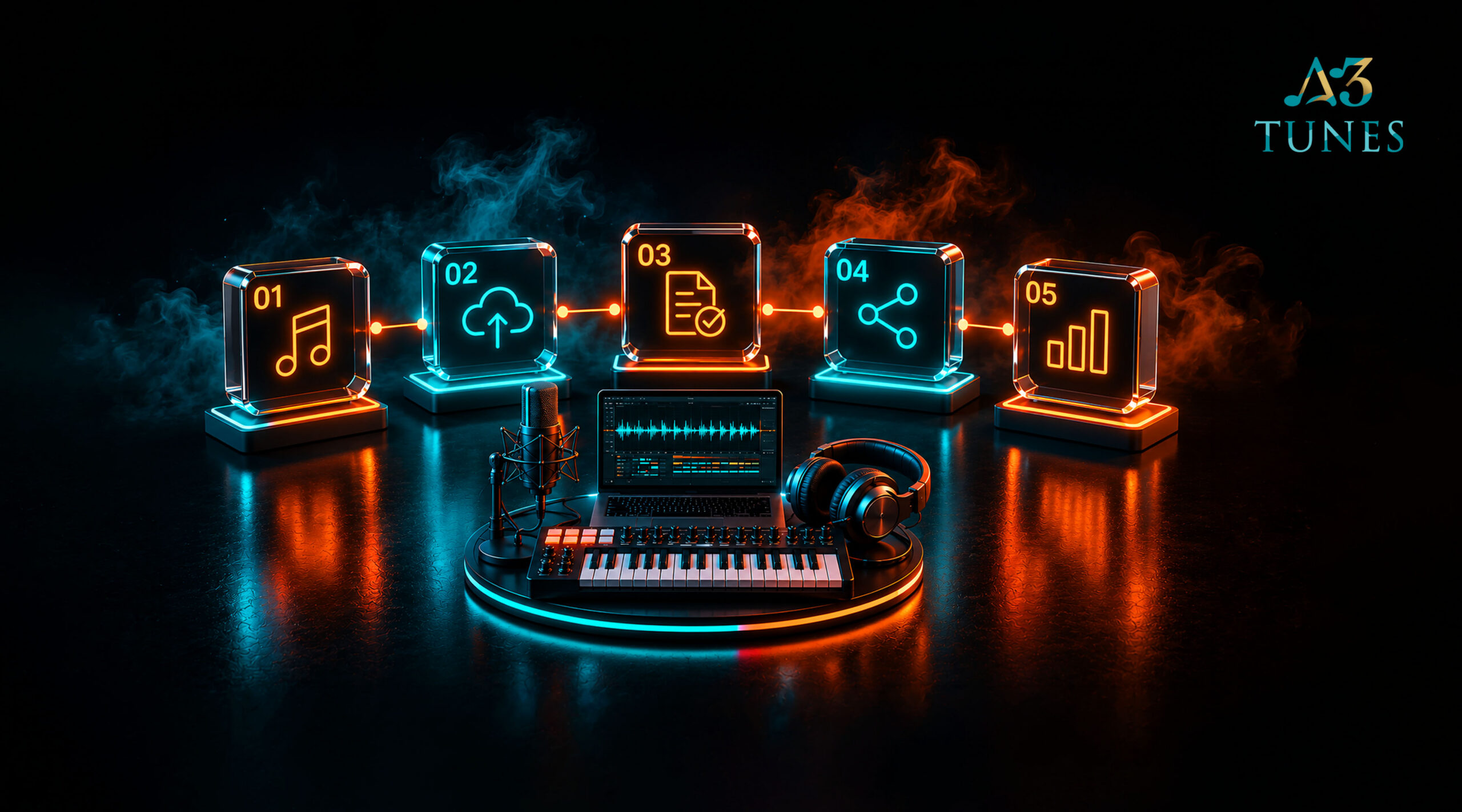
    Step 1: Prepare Your Music for Distribution

    The first step in releasing a track is ensuring that the audio file is fully finalized. This means the recording, mixing, and mastering stages should already be complete before starting music distribution. Streaming platforms expect audio files that meet technical standards for clarity and volume consistency. Submitting unfinished or poorly prepared files can affect the listening experience and reduce the professional impression of the release.

    Preparation also includes organizing artwork and verifying all track information. Album or single artwork must meet specific size and quality requirements so it appears clearly across streaming platforms. When artists gather every required element in advance, they prevent delays during submission and ensure that their music arrives on platforms with the correct presentation and technical quality.

    Step 2: Choose a Music Distribution Platform

    After preparing the music, the next stage is selecting a distribution service that will deliver the track to streaming platforms. These services act as the bridge between independent artists and digital stores. Instead of submitting music individually to each platform, artists upload their track once and allow the distribution service to send it across multiple services simultaneously.

    Choosing the right provider depends on factors such as supported platforms, royalty reporting systems, and ease of use. Beginners often benefit from a service that offers a straightforward submission process and clear analytics. By selecting a reliable distribution partner, artists can focus more on creating music while the technical process of delivering the track to platforms is handled efficiently.

    Step 3: Upload Your Track and Metadata

    Once a distribution platform is selected, artists begin the upload process. This step involves submitting the audio file along with all required metadata. During this stage, every piece of information attached to the track must be reviewed carefully. Incorrect spelling, missing contributor credits, or inaccurate release details can lead to confusion when the song appears on streaming services.

    The upload process is also when artists confirm how their track should appear publicly. Details such as the artist name, track title, and featured performers become part of the permanent listing across platforms. Taking extra time to double-check this information ensures that music distribution results in an accurate and professional presentation for listeners worldwide.

    Step 4: Select Streaming Platforms

    Most distribution services allow artists to choose which platforms will receive their music. Popular streaming services, digital download stores, and emerging music apps may all be available options. Selecting multiple platforms increases the chances that listeners will discover the track through their preferred service.

    For beginners, reaching a wide range of platforms helps build early visibility. Each platform has its own audience and listening habits, meaning the same track may reach different groups of listeners depending on where it is available. By selecting appropriate platforms during music distribution, artists maximize the potential reach of their release without needing to manage separate uploads for every service.

    Step 5: Schedule and Publish Your Release

    The final step in the process is scheduling the release date. This determines when the track will appear publicly across all selected platforms. Setting a clear date ensures that streaming services publish the song at the same time, giving listeners consistent access regardless of the platform they use.

    Once the release is scheduled, the distribution service sends the music to platforms for processing. During this period, platforms review the submission and prepare the track for publication. After approval, the song becomes available to listeners on the selected release date, completing the music distribution process and officially introducing the track to the global streaming ecosystem.

    Why Choose A3Tunes for Music Distribution

    Artists looking for a reliable partner often focus on platforms that simplify the distribution process while maintaining professional standards. A3Tunes provides a structured system that allows independent musicians to deliver their music to major streaming services with clarity and efficiency. By focusing on accessibility and organized submission tools, the platform helps beginners navigate the release process without unnecessary complications.

    In addition to delivering music to digital platforms, A3Tunes supports artists by ensuring that releases are handled with accuracy and consistency. Clear submission workflows, organized data handling, and reliable platform connections help artists focus on creativity while their music reaches listeners worldwide. For beginners entering the industry, a structured distribution partner can make the transition from recording to global release far more manageable.

    Conclusion

    Releasing music today requires more than simply finishing a track. Artists who understand the structure behind digital distribution can approach their releases with preparation and confidence. From organizing audio files and metadata to selecting platforms and scheduling a release date, every stage contributes to how the final song appears to listeners. When each step is handled carefully, the result is a smooth release that represents the artist professionally across streaming services.

    By learning the process early, beginners build habits that support long-term growth in their music careers. Consistent releases, organized information, and reliable distribution systems allow artists to focus on expanding their catalog and connecting with listeners. With the right preparation and a clear understanding of music distribution, musicians can turn completed recordings into accessible releases that reach audiences around the world.

  • Start your music career for Spotify for Artists

    Start your music career for Spotify for Artists

    Start your music career for Spotify for Artists

    Introduction

    Breaking into the music industry has never been more accessible, thanks to streaming platforms that connect artists directly to a global audience. Spotify for Artists is one of the most powerful tools for emerging musicians, offering insights, promotional features, and opportunities to reach millions of listeners worldwide. By understanding how to leverage its capabilities, you can accelerate your growth and establish a professional presence in the competitive music landscape.

    This blog will guide you through everything you need to know about starting your career with Spotify for Artists, from setting up your profile to using analytics for smarter promotion. We’ll explore key preparation steps, in-depth platform features, and advanced strategies to maximize your music’s visibility. Whether you’re an independent musician or part of a band, these tips will help you connect with the right audience and grow your career. Learn more about music promotion services from A3Tunes.


    Key Steps Before Using Spotify for Artists

    Before you start releasing music, it’s important to understand the foundation for a successful launch. These preparatory steps will set you up for better visibility and listener engagement.

    1. Prepare high-quality recordings

    Listeners expect professional-grade audio. Investing in quality production ensures your music stands out and meets industry standards. This includes professional mixing and mastering to balance audio levels, enhance clarity, and ensure playback quality across devices.

    Clean, polished tracks make a strong first impression and are more likely to be added to playlists or shared by fans. Poor production can undermine even the best songwriting.

    2. Create compelling cover art

    Visual presentation plays a significant role in attracting new listeners. Eye-catching album or single artwork can make your release more memorable. Use professional graphic design to ensure your cover looks good in both small thumbnail and full-screen views.

    High-quality visuals reflect your professionalism and help establish your brand identity. Cover art also influences playlist curators, who often judge by appearance before even pressing play.

    3. Develop a brand identity

    Your image, music style, and messaging should be consistent across all platforms. Branding includes your logo, color palette, typography, and tone of voice in communication.

    Consistency builds familiarity, making it easier for fans to recognize and follow your work. A strong brand identity also makes your music more marketable to potential collaborators and industry professionals.

    4. Build an initial audience base

    Engaging your personal network before your release can give you a boost in streams and followers from day one. Encourage friends, family, and existing fans to pre-save your tracks.

    Early engagement encourages Spotify’s algorithm to recommend your music to more listeners. Launching with momentum increases your chances of being featured in algorithmic playlists like Release Radar.

    5. Choose a music distributor

    To get your songs on Spotify, you’ll need to use a music distributor like DistroKid, TuneCore, or CD Baby. Compare their pricing, royalty rates, and additional services before choosing.

    A distributor ensures your tracks are delivered to Spotify in the correct format and with proper metadata. Good metadata is crucial for accurate artist crediting and discoverability.


    How to Use Spotify for Artists Effectively

    Claim and customize your artist profile

    Once your music is live, claim your artist profile through Spotify for Artists. This gives you control over your artist page, allowing you to update your bio, add photos, and showcase your brand.

    An optimized profile makes your page more appealing and professional, encouraging listeners to follow you. Include links to your social media and upcoming tour dates for deeper engagement.

    Leverage analytics

    Spotify for Artists offers detailed analytics on your streams, listeners, and locations. Use this data to refine your marketing strategies, identify strong markets, and plan tours.

    Understanding your audience demographics can help you target promotions more effectively. For example, if you notice strong engagement in a specific city, you can prioritize gigs or ads there.

    Pitch your music to playlists

    Playlists are a key driver of streams on Spotify. Use the platform’s playlist pitching feature to submit your unreleased tracks to editorial teams at least seven days before release.

    Landing on a popular playlist can significantly increase your reach and discoverability. Complement editorial pitches with outreach to independent playlist curators.

    Promote your music off-platform

    Don’t rely solely on Spotify to drive traffic. Share your music on social media, email newsletters, YouTube, and TikTok to attract more listeners.

    Cross-promotion keeps your audience engaged and directs new fans to your Spotify profile. Social media campaigns can also boost your chances of organic playlist placements.

    Engage with your fans

    Respond to fan messages, share behind-the-scenes content, and express gratitude for their support. Interactive features like Spotify Clips can help you connect more personally.

    Active engagement builds loyalty and turns casual listeners into long-term supporters. Fan loyalty can also improve your standing with Spotify’s algorithm.


    Advanced Tips for Spotify Success

    Release consistently

    Regular releases keep your audience engaged and improve your algorithmic performance. Aim for a steady schedule, such as a new single every six to eight weeks.

    Consistency helps you stay top-of-mind for fans and increases your chances of being featured in Release Radar and Discover Weekly.

    Collaborate with other artists

    Collaborations expose your music to another artist’s fan base. Joint releases can double your reach and streaming potential.

    Look for artists with complementary styles and audiences to maximize the impact of your collaborations.

    Use Spotify Canvas

    Canvas allows you to add looping visuals to your tracks, making your music more engaging. A strong visual loop can encourage listeners to share your music on social platforms.

    Creative visuals also enhance your brand’s aesthetic appeal.

    Run targeted ad campaigns

    Spotify Ad Studio allows you to create audio and video ads targeting specific demographics and listener habits.

    Targeted ads can help you reach new listeners who are likely to enjoy your style of music.

    Optimize for algorithmic playlists

    Encourage fans to save your songs, add them to playlists, and listen repeatedly. These actions signal to Spotify’s algorithm that your track is engaging.

    Increased algorithmic playlist placements can drive thousands of organic streams.


    Why Choose A3Tunes for Music Promotion

    A3Tunes specializes in helping artists grow their careers with professional marketing strategies, playlist placements, and audience targeting. They offer tailored campaigns designed to boost your Spotify presence and overall music brand.

    Their expertise ensures your music reaches the right listeners, maximizing your chances of success on platforms like Spotify. Services include data-driven advertising, influencer partnerships, and content creation support.

    By partnering with A3Tunes, you gain access to tools, industry knowledge, and promotional support that can take your career to the next level. They focus on measurable growth, so you can track your success over time.


    Conclusion

    Spotify for Artists is more than just a streaming dashboard—it’s a gateway to building a global music career. By preparing your content, optimizing your profile, and using data-driven promotion strategies, you can increase your visibility and fan base.

    With A3Tunes as your partner, you’ll have the resources and guidance needed to navigate the competitive music industry successfully. Start your journey today and turn your passion into a thriving career.


    Summary

    This blog covered the essentials of starting your music career with Spotify for Artists, including preparation, profile optimization, playlist pitching, and audience engagement. We also explored advanced strategies such as consistent releases, collaborations, targeted ads, and Canvas visuals. Choosing A3Tunes for music promotion ensures you have a dedicated team to amplify your reach, build your fan base, and help you achieve your goals.

  • How to Upload Songs on Spotify and Get Noticed

    How to Upload Songs on Spotify and Get Noticed

    How to Upload Songs on Spotify and Get Noticed

    Introduction

    For aspiring musicians, the dream of sharing your music with the world often begins with one powerful goal: getting your songs on Spotify. With over 600 million users, Spotify is one of the largest music streaming platforms globally. But with so many artists competing for attention, how can you stand out? Whether you’re an independent artist or a part of a band, learning how to upload songs on Spotify is your first step toward reaching a global audience.

    In this blog, we’ll guide you step-by-step through the process of uploading your music to Spotify and boosting your chances of being discovered. From choosing the right distributor to optimizing your artist profile and leveraging promotional strategies, this guide will cover everything you need to know. If you’re ready to take your music career to the next level, keep reading and explore how A3Tunes can help you on your journey.

    Things You Should Know Before Uploading Music to Spotify

    Before diving into the uploading process, it’s important to understand the ecosystem of Spotify for Artists. This section outlines key foundational concepts that will help set you up for success.

    Understanding Spotify for Artists

    Spotify for Artists is a dashboard that allows musicians to manage their presence on the platform. This tool lets you track streams, update your profile, and pitch your songs to playlists. With Spotify for Artists, you gain insights that help you make informed marketing decisions.

    Moreover, signing up for this tool is free and essential for anyone looking to build a lasting music career on Spotify. By verifying your artist profile, you also increase your credibility and improve your chances of playlist placements.

    Role of Digital Distribution Platforms

    Spotify does not accept direct uploads from independent artists. You need a digital music distributor like TuneCore, DistroKid, CD Baby, or A3Tunes. These platforms act as intermediaries, helping you distribute your tracks across various streaming services.

    Choosing the right distributor is crucial. Some offer one-time fees, while others operate on subscription models. Factors such as royalties, delivery speed, and additional promotional tools should influence your decision.

    Importance of High-Quality Audio

    To maintain Spotify’s sound standards, always upload high-quality, professionally mixed and mastered audio files. Most distributors require formats like WAV or FLAC. Poor audio quality can lead to listener drop-off and negatively impact your brand.

    Investing in professional mastering can make your track stand out in a sea of competition. Quality audio improves your chances of getting playlisted and shared.

    Metadata and ISRC Codes

    Metadata includes details like song title, artist name, release date, and genre. Accurate metadata ensures that your song is discoverable. ISRC (International Standard Recording Code) is a unique identifier for each track, which your distributor usually provides.

    Having complete and correct metadata not only boosts visibility but also ensures you get paid correctly through royalty tracking systems.

    Setting a Release Strategy

    Planning your release schedule is as important as creating great music. Consider releasing singles leading up to an album or EP to keep listeners engaged. Use the pre-save feature and schedule your releases at least four weeks in advance for playlist pitching.

    This planned approach gives you time to build anticipation through marketing and ensures better results when your music goes live.

    Step-by-Step Guide: How to Upload Songs on Spotify

    Once you’re prepared, it’s time to upload your music. Here’s a comprehensive look at each stage of the process.

    Step 1: Choose a Reliable Music Distributor

    Your first task is to pick a trusted digital distributor. Popular choices include A3Tunes, DistroKid, TuneCore, and CD Baby. Each platform varies in pricing, royalty distribution, and speed of delivery.

    A3Tunes offers artist-centric features like personalized support and faster track approvals, making it ideal for newcomers looking for guidance. Review all terms and choose a platform aligned with your goals.

    Step 2: Create an Account and Upload Your Track

    Once you’ve selected a distributor, sign up and start the upload process. You’ll need to provide your audio files (usually in WAV format), artwork, and metadata.

    Be thorough with your metadata entries. Distributors also ask for copyright ownership details, contributor credits, and publishing rights if applicable. Submit everything accurately to avoid delays.

    Step 3: Claim Your Spotify for Artists Profile

    After your song is scheduled for release, claim your Spotify for Artists profile. You can do this once your track is live or via the pre-release process using a Spotify URI.

    Having access to your artist dashboard allows you to pitch your song to editorial playlists, analyze listener demographics, and tailor your content accordingly.

    Step 4: Pitch to Spotify Editorial Playlists

    Spotify offers a pitch tool in your dashboard where you can submit unreleased tracks for playlist consideration. Submitting early—ideally 4-6 weeks before the release date—increases your chances.

    Provide a detailed pitch including the song’s story, genre, mood, and instrumentation. Being authentic and clear helps curators see the value of your music.

    Step 5: Promote Your Release

    Uploading your song is just the beginning. Build anticipation with social media teasers, behind-the-scenes content, and countdowns. On release day, update your bio and profile banner to reflect the new track.

    Leverage music blogs, influencers, and targeted ads to reach a broader audience. Services like A3Tunes also offer tailored promotional campaigns.

    How to Maximize Visibility and Streams on Spotify

    Getting on Spotify is one thing; getting noticed is another. Here are strategic ways to build your listener base and enhance visibility.

    Build a Compelling Spotify Profile

    Your profile should reflect your brand. Include a professional bio, press-quality images, social media links, and featured playlists.

    A polished profile enhances credibility and encourages users to follow you and stream your songs. Consistency across platforms reinforces brand recognition.

    Use Spotify Canvas and Storylines

    Spotify Canvas lets you add looping visuals to your track, while Storylines offer background context. Both features elevate listener engagement.

    These tools make your release more interactive and memorable. Unique visuals often lead to higher shares and repeat plays.

    Collaborate with Other Artists

    Collaboration introduces you to new audiences. Whether it’s a feature or a remix, working with other musicians helps expand your reach.

    Strategic partnerships also boost playlist placements and cross-promotion. Reach out to artists with complementary styles for best results.

    Engage Your Audience Regularly

    Consistent engagement fosters a loyal fanbase. Use Spotify’s Artist Pick to highlight new music, and create playlists to showcase your taste.

    Respond to fan comments on social media and share user-generated content. The more active you are, the more likely fans will support your journey.

    Analyze and Adapt Using Spotify Insights

    Track your performance using the analytics tools available in Spotify for Artists. Learn which cities, demographics, and playlists generate the most streams.

    Use this data to refine your marketing, plan tours, and shape future releases. Informed decisions lead to sustainable growth.

    Why Choose A3Tunes for Music Distribution

    A3Tunes isn’t just a distribution service—it’s your partner in building a music career. With a focus on empowering independent artists, A3Tunes offers personalized services, one-on-one support, and robust promotional tools that go beyond standard distribution.

    Their transparent pricing, fast delivery, and artist-first approach make them a standout choice in a crowded market. Whether you’re launching your first single or a full album, A3Tunes equips you with everything you need to succeed.

    For more details on A3Tunes’ music distribution services, click here.

    Conclusion

    Learning how to upload songs on Spotify is an empowering step for any artist looking to grow their audience and establish their brand. By understanding the key requirements, selecting the right distribution partner, and applying smart promotional strategies, you can significantly increase your chances of being discovered.

    Spotify offers incredible tools for artists, but success depends on how effectively you use them. Take the time to prepare your release properly, pitch strategically, and continuously engage with your audience.

    Ready to make your music heard around the world? Partner with A3Tunes today and take your first step toward Spotify stardom.

    FAQs

    1. How do I upload my songs to Spotify without a label?
      Use a digital distributor like A3Tunes or DistroKid to release your music independently on Spotify.
    2. What audio format should I use for uploading?
      WAV or FLAC files are recommended for best audio quality.
    3. Can I upload music to Spotify for free?
      Some distributors offer free plans, but most charge a fee or take a percentage of royalties.
    4. How long does it take for a song to go live on Spotify?
      Typically 3-7 days, but submitting 4 weeks in advance allows time for playlist pitching.
    5. What is Spotify for Artists?
      A dashboard that helps you manage your Spotify presence, access analytics, and pitch to playlists.
    6. Do I need cover art for my song?
      Yes, professional cover art is essential and required by all distributors.
    7. Can I edit a song after uploading it?
      You can update metadata and profile info, but not the audio file itself.
    8. How can I get on Spotify playlists?
      Pitch your song via Spotify for Artists and promote it to curators.
    9. Is it possible to earn money from Spotify streams?
      Yes, you’ll earn royalties based on stream count, managed via your distributor.
    10. Why should I choose A3Tunes for distribution?
      A3Tunes offers personalized support, competitive pricing, and promotional tools designed for independent artists.


  • We’ve Got Your Back-Takedowns and Copyright

    We’ve Got Your Back-Takedowns and Copyright

    We’ve Got Your Back – Takedowns and Copyright

    With just a few clicks, your tracks can be live on platforms worldwide. But while the ease of distribution is a huge win for independent artists, it also opens the door to a less talked-about challenge: protecting your music.

    If you’ve ever distributed music online, you’ve likely encountered terms like copyright strikes, takedown notices, and piracy. These can sound intimidating, leaving you wondering how to safeguard your creative work.

    At A3Tunes, we believe your focus should be on creating amazing music, not on constantly policing the internet for unauthorized uses. That’s why we don’t just distribute your music; we actively defend it.

    We tackle takedowns, combat piracy, support artists facing unauthorized uploads, and ensure your music journey is smooth and protected.


    Why Copyright Protection Matters for Artists

    Your music is your livelihood, your art, and your unique expression. Without proper protection, it might be misused, which can lead to significant financial and reputational damage.

    Think of copyright as your legal shield. It grants you exclusive rights to reproduce, distribute, perform, and display your work. It ensures you receive the recognition and compensation you deserve for your effort and talent.


    Common Threats to Your Music

    Piracy

    Piracy occurs when your song appears on platforms like YouTube, SoundCloud, or obscure websites without your permission. It’s like someone stealing your product and giving it away globally.

    Beyond financial loss, piracy weakens your brand and reduces control over your music’s distribution.

    Unauthorized Uploads

    This happens when someone uploads your song or beat to platforms like Spotify or Apple Music, falsely claiming it as their own. These fake releases redirect royalties and undermine your artistic identity.

    Copyright Strikes

    Platforms like YouTube or Facebook issue copyright strikes when a user uploads content that contains copyrighted material without permission. While these systems are designed to protect creators, they can be misused or malfunction, resulting in false claims against original work.


    How This Affects Your Career

    These threats can severely impact your musical journey:

    Revenue Loss: Every unauthorized stream or download means lost income that could fund future projects.

    Damaged Brand Reputation: Pirated or misrepresented music can confuse fans and weaken your credibility.

    Blocked Songs or Disabled Channels: Repeated copyright strikes can result in takedowns or permanent bans from platforms, disconnecting you from your audience.

    Proactive protection is essential. It preserves your art, income, and future.


    What Is DMCA?

    The Digital Millennium Copyright Act (DMCA) is a U.S. law enacted in 1998 to address copyright challenges in the digital age.

    Its “safe harbor” provision shields online platforms from liability as long as they act quickly when receiving valid takedown requests.


    The DMCA Takedown Process

    1. Detect Infringement
    You or A3Tunes discover unauthorized use of your music on a digital platform.

    2. Submit a DMCA Notice
    A formal notice includes:

    • The copyrighted work involved

    • The infringing content’s URL

    • A good faith statement

    • A verification statement

    • Your signature

    3. Platform Review
    The platform investigates and typically removes the content if the notice is valid.

    4. Counter-Notice (If Filed)
    If the uploader believes the claim is invalid, they can issue a counter-notice. Content may be reinstated unless legal action is pursued.

    Acting quickly minimizes your loss of royalties and exposure.


    How A3Tunes Handles Takedowns

    Monitoring

    We use digital crawlers and manual techniques to regularly search for unauthorized uploads.

    Verification

    Before submitting any takedown notice, our team verifies:

    • Metadata

    • Timestamps

    • ISRC codes

    • Ownership details

    Filing

    We draft and send legally accurate takedown notices that prompt platforms to act swiftly.

    Follow-Up

    Our team tracks every request until the infringing content is removed.

    Platforms Covered

    We protect your work across:

    • YouTube

    • SoundCloud

    • Spotify

    • Apple Music

    • Instagram

    • Facebook

    • Download and third-party hosting sites


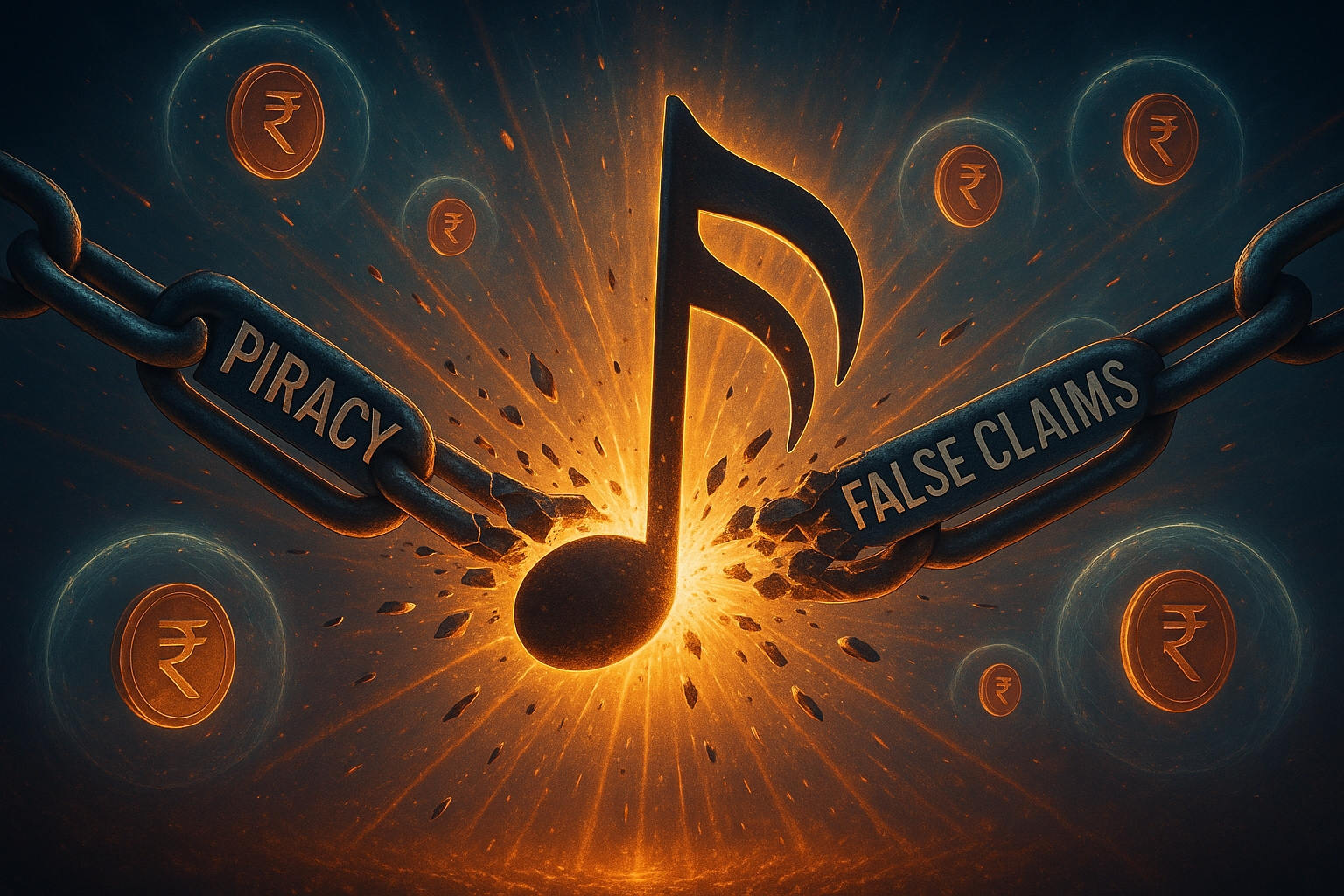
    What About False Copyright Claims?

    Sometimes, artists face false claims. These come from:

    Content ID Errors – Automated systems misidentify your original music.

    Malicious Reporting – Individuals file fake claims to hurt your reputation or restrict your access.

    How A3Tunes Helps

    We respond by:

    • Gathering and organizing evidence

    • Filing a counter-notice

    • Assisting with documentation

    • Following up until your content is reinstated

    Do not ignore a false claim. It can lead to permanent takedowns, demonetization, or account suspension.


    How to Protect Your Music

    While we offer full support, artists should take preventive steps:

    Register Your Work

    In India, register your music through the Copyright Office at IP India.

    Use ISRC Codes

    When you distribute via A3Tunes, each track gets a unique ISRC, serving as a digital fingerprint.

    Use a Trusted Distributor

    Distribute through trusted partners like A3Tunes to generate time-stamped, verifiable records.

    Set Up Google Alerts

    Create alerts for your artist name and track titles to monitor where your music appears.


    You Create, We Protect

    Independent artists enjoy freedom and reach like never before, but protection remains vital.

    At A3Tunes, we ensure that while you focus on making great music, we guard your rights and fight infringement. From detection to takedown, we’ve got your back.

    Ready to secure your music? Sign up with A3Tunes today and let us protect your creativity around the world.

  • How TikTok and Instagram Can Launch Your Music Career

    How TikTok and Instagram Can Launch Your Music Career

    It used to take years of gigs, radio plugs, and lucky breaks to get noticed in the music industry. Today, all it takes is 15 seconds on TikTok.

    No kidding — one clip, one trending sound, one viral dance can explode your music to a global audience. You don’t need a big label or a giant marketing budget. What you do need is a clear understanding of how User-Generated Content (UGC) works, and how you can use it — legally and creatively — to your advantage.

    Welcome to the new era of music discovery


    The Day Everything Changed

    Picture this: It’s just another evening. You post a short beat you’ve been working on to Instagram Reels. The next morning, you wake up to hundreds of notifications. A dancer with 2 million followers has used your track for a slick routine. That video is now everywhere. Soon, it’s part of a trend. Brands start using it, influencers remix it, and overnight, you’re “the sound of the week.”

    This is not a fantasy. It’s exactly how artists like Loren Gray, JVKE, Tai Verdes, and Doja Cat got their big breaks. TikTok and Instagram Reels are not just platforms anymore — they’re career launchpads.

    Explore more about how A3 Tunes empowers artists in the social media age.


    What is UGC or User-Generated Content

    UGC is any form of content — videos, stories, remixes, memes — created by users of a platform that features your music.

    Some typical examples include:

    • A TikTok dance challenge set to your latest release.
    • A travel vlog on Instagram using your song as background music.
    • Mashups, sped-up edits, or slowed-down versions of your track in viral trends.
    • A fashion influencer lip-syncing to your lyrics.
    • Even memes that remix your vocals with cat videos.

    These are called “derivative works” — the creators build something new using your original song as the base.


    How Does Your Music End Up on TikTok or Instagram?

    You don’t upload directly to these platforms. Instead, you use a music distributor — like A3 Tunes — and opt in to social media delivery.

    This means you’re giving permission for platforms like TikTok and Instagram to:

    • Add your song to their music library
    • Let users search, select, and feature your track in their videos
    • Enable remixing, editing, and sharing across their networks

    Once it is in the system, anyone — from your cousin to a celebrity influencer — can use your music in their content.

    Check out our features for social media delivery options.


    The Legal Stuff

    Here’s where it gets real. When you opt-in for UGC usage, you’re essentially granting a blanket license to the platform and its users to use your song in any creative way they choose. You’re saying: “Here’s my music. Play with it.”

    To make this possible, you must waive what’s called your “Moral Rights” (or droit moral).


    What are Moral Rights?

    These are the rights that protect your personal connection to your work. They include:

    • The right to be credited as the creator
    • The right to object to modifications that distort your music or harm your reputation

    In the world of UGC, these rights would be impossible to enforce. TikTok users might speed up your vocals, remix your beat, or pair your lyrics with a prank video — and you wouldn’t be able to veto it.

    So, by opting in, you legally allow this. You waive your moral rights only in the context of UGC. This waiver is the key that opens the door to virality.


    Why Give Up That Control?

    Good question. Here’s why:


    Massive Reach

    TikTok alone has over 1 billion monthly users. Instagram Reels is not far behind. One user-generated video featuring your song can get millions of views — and it doesn’t stop there. When your song becomes a trend, hundreds or thousands of other creators use it, multiplying your exposure.

    Ritviz gained major traction with his song “Udd Gaye”, which blew up after being featured in AIB’s YouTube On Stage event. The song became a viral soundtrack for hundreds of Instagram stories and fan-made dance videos. Ritviz’s unique blend of classical Indian music with electronic beats made him a darling of the internet generation. His music’s aesthetic and his consistent Instagram presence have helped him build a cult following.


    Yashraj Mukhate

    A former sound engineer, Yashraj shot to fame by turning viral dialogues and memes into catchy musical remixes. His breakout was the “Rasode Mein Kaun Tha” remix from the TV show Saath Nibhana Saathiya. The video exploded on Instagram and YouTube, leading to brand deals, media coverage, and collaborations with mainstream artists and actors.

    These are couple of examples where UGC culture and short-form content converted into a full-fledged music career.


    New Income Streams

    Even if you waive moral rights, you don’t waive payment. These platforms track song usage and pay royalties — usually collected by your distributor. So, the more your song gets used, the more you earn.

    See pricing and payout details here.


    Some Examples

    Yashraj Mukhate – Remix King Turned Creator-Entrepreneur
    He earns via brand deals. After going viral, brands like Netflix, Cred, and Bumble collaborated with him to create branded content. His quirky remixes and original songs get millions of views, generating ad revenue. He also performs custom sets at private and virtual events. TV shows, OTT platforms, and creators license his viral audio.

    Anuv Jain – Heartfelt Indie Pop. Big streaming payoffs.
    He earns via Spotify/YouTube royalties: His tracks like “Baarishein” consistently trend on romantic playlists, driving repeat listening. Also has built a loyal fanbase that pays to attend his intimate gigs across India. Uses Instagram to promote releases and sell out concerts, keeping promotion in-house.


    The Trade-Off That Works In Your Favor

    Let’s sum it up. You give platforms the right to remix and reuse your song however they want.

    In return:

    • Your song gets discovered
    • You earn royalties
    • You build a fanbase
    • You get opportunities for collaborations, gigs, record deals, brand partnerships

    Real-World Wins: Artists Who Went Big via UGC

    Let’s look at a few artists whose careers took off thanks to UGC magic.

    🎤 Tai Verdes – “Stuck in the Middle”
    Tai was working at Verizon when he dropped this song. A few TikTok users used it in their videos, and it blew up. Millions of views, Spotify streams through the roof, and suddenly, Tai was a rising star.

    🎤 JVKE – “This is What Falling in Love Feels Like”
    He produced and released the song entirely at home. It took one viral video using the track to make it a TikTok anthem. JVKE now boasts millions of followers, charting songs, and major label attention.

    🎤 Curtis Waters – “Stunnin’”
    A beat made in his bedroom. Uploaded to TikTok. Used by influencers. Instantly viral. “Stunnin’” hit over 100 million streams and made Curtis a Gen Z icon overnight.

    🎤 Olivia Rodrigo – “Drivers License”
    Though not unknown, Olivia’s song exploded on TikTok thanks to fan-made videos, reaction clips, and heartbreak montages. It wasn’t just a debut single — it became a cultural moment, with UGC driving the emotion behind it.


    But What If My Music Gets Used in a Meme or Weird Video?

    That’s the risk, but also the charm.

    UGC thrives on unpredictability. Your soulful track might end up in a cat video. Or a parody clip. Or even a cooking hack.

    But guess what? That exposure is worth more than a perfect image. Every meme, every trend, every share takes your music to someone new. And when the song hits — they look you up.


    How to Make UGC Work for You

    Here’s how to turn this into a strategic advantage:

    • Make UGC-Friendly Music
      Short hooks, catchy beats, emotional lyrics, or relatable moments work best. Think loops, drops, or punchlines people can latch onto.
    • Start the Trend Yourself
      Don’t wait. Create your own Reel or TikTok with your song. Add a dance, a mood, a quote — and invite others to try it.
    • Engage With Creators
      If someone uses your song, comment, share, duet. The more you engage, the more your music stays alive on the platform.
    • Collaborate With Influencers
      Micro-influencers with niche audiences can help your track find the right ears. A dance creator. A beauty vlogger. A travel blogger. Match the mood of your music with their content.

    For additional guidance, contact the A3 Tunes team.


    What Not to Do

    • Don’t panic if someone uses your song in an unexpected way
    • Don’t try to control every use (you legally can’t)
    • Don’t ignore the power of short-form platforms

    Embrace the New Music Economy

    Social media isn’t just for selfies and memes anymore — it’s a full-blown music industry machine and UGC is the fuel. Yes, you’ll give up some control. But in return, you unlock the greatest amplifier any artist has ever had. Whether you’re indie or signed, bedroom producer or seasoned performer, UGC platforms like TikTok and Instagram can be your launchpad. So, get your music distributed, opt in to social platforms.

    Let the community create. And who knows? The next viral sound could be yours.

    For more creator success strategies, visit our blog.


    TL; DR:

    UGC = User-created content using your music (videos, memes, dances)
    Distributors help you get your song into TikTok/Instagram libraries
    You waive “moral rights” to allow free creative use of your song
    In return: exposure + royalties + career growth
    Many artists (Yashraj Mukate, Anuv Jain, Olivia Rodrigo) made it big this way
    Embrace the chaos — it’s where the magic happens

    If you’re an artist looking to get started with music distribution to social platforms, A3 Tunes can help you reach the world — 15 seconds at a time.