Category: Beginner’s Guide

  • How to Upload Songs on Spotify and Get Noticed

    How to Upload Songs on Spotify and Get Noticed

    How to Upload Songs on Spotify and Get Noticed

    Introduction

    For aspiring musicians, the dream of sharing your music with the world often begins with one powerful goal: getting your songs on Spotify. With over 600 million users, Spotify is one of the largest music streaming platforms globally. But with so many artists competing for attention, how can you stand out? Whether you’re an independent artist or a part of a band, learning how to upload songs on Spotify is your first step toward reaching a global audience.

    In this blog, we’ll guide you step-by-step through the process of uploading your music to Spotify and boosting your chances of being discovered. From choosing the right distributor to optimizing your artist profile and leveraging promotional strategies, this guide will cover everything you need to know. If you’re ready to take your music career to the next level, keep reading and explore how A3Tunes can help you on your journey.

    Things You Should Know Before Uploading Music to Spotify

    Before diving into the uploading process, it’s important to understand the ecosystem of Spotify for Artists. This section outlines key foundational concepts that will help set you up for success.

    Understanding Spotify for Artists

    Spotify for Artists is a dashboard that allows musicians to manage their presence on the platform. This tool lets you track streams, update your profile, and pitch your songs to playlists. With Spotify for Artists, you gain insights that help you make informed marketing decisions.

    Moreover, signing up for this tool is free and essential for anyone looking to build a lasting music career on Spotify. By verifying your artist profile, you also increase your credibility and improve your chances of playlist placements.

    Role of Digital Distribution Platforms

    Spotify does not accept direct uploads from independent artists. You need a digital music distributor like TuneCore, DistroKid, CD Baby, or A3Tunes. These platforms act as intermediaries, helping you distribute your tracks across various streaming services.

    Choosing the right distributor is crucial. Some offer one-time fees, while others operate on subscription models. Factors such as royalties, delivery speed, and additional promotional tools should influence your decision.

    Importance of High-Quality Audio

    To maintain Spotify’s sound standards, always upload high-quality, professionally mixed and mastered audio files. Most distributors require formats like WAV or FLAC. Poor audio quality can lead to listener drop-off and negatively impact your brand.

    Investing in professional mastering can make your track stand out in a sea of competition. Quality audio improves your chances of getting playlisted and shared.

    Metadata and ISRC Codes

    Metadata includes details like song title, artist name, release date, and genre. Accurate metadata ensures that your song is discoverable. ISRC (International Standard Recording Code) is a unique identifier for each track, which your distributor usually provides.

    Having complete and correct metadata not only boosts visibility but also ensures you get paid correctly through royalty tracking systems.

    Setting a Release Strategy

    Planning your release schedule is as important as creating great music. Consider releasing singles leading up to an album or EP to keep listeners engaged. Use the pre-save feature and schedule your releases at least four weeks in advance for playlist pitching.

    This planned approach gives you time to build anticipation through marketing and ensures better results when your music goes live.

    Step-by-Step Guide: How to Upload Songs on Spotify

    Once you’re prepared, it’s time to upload your music. Here’s a comprehensive look at each stage of the process.

    Step 1: Choose a Reliable Music Distributor

    Your first task is to pick a trusted digital distributor. Popular choices include A3Tunes, DistroKid, TuneCore, and CD Baby. Each platform varies in pricing, royalty distribution, and speed of delivery.

    A3Tunes offers artist-centric features like personalized support and faster track approvals, making it ideal for newcomers looking for guidance. Review all terms and choose a platform aligned with your goals.

    Step 2: Create an Account and Upload Your Track

    Once you’ve selected a distributor, sign up and start the upload process. You’ll need to provide your audio files (usually in WAV format), artwork, and metadata.

    Be thorough with your metadata entries. Distributors also ask for copyright ownership details, contributor credits, and publishing rights if applicable. Submit everything accurately to avoid delays.

    Step 3: Claim Your Spotify for Artists Profile

    After your song is scheduled for release, claim your Spotify for Artists profile. You can do this once your track is live or via the pre-release process using a Spotify URI.

    Having access to your artist dashboard allows you to pitch your song to editorial playlists, analyze listener demographics, and tailor your content accordingly.

    Step 4: Pitch to Spotify Editorial Playlists

    Spotify offers a pitch tool in your dashboard where you can submit unreleased tracks for playlist consideration. Submitting early—ideally 4-6 weeks before the release date—increases your chances.

    Provide a detailed pitch including the song’s story, genre, mood, and instrumentation. Being authentic and clear helps curators see the value of your music.

    Step 5: Promote Your Release

    Uploading your song is just the beginning. Build anticipation with social media teasers, behind-the-scenes content, and countdowns. On release day, update your bio and profile banner to reflect the new track.

    Leverage music blogs, influencers, and targeted ads to reach a broader audience. Services like A3Tunes also offer tailored promotional campaigns.

    How to Maximize Visibility and Streams on Spotify

    Getting on Spotify is one thing; getting noticed is another. Here are strategic ways to build your listener base and enhance visibility.

    Build a Compelling Spotify Profile

    Your profile should reflect your brand. Include a professional bio, press-quality images, social media links, and featured playlists.

    A polished profile enhances credibility and encourages users to follow you and stream your songs. Consistency across platforms reinforces brand recognition.

    Use Spotify Canvas and Storylines

    Spotify Canvas lets you add looping visuals to your track, while Storylines offer background context. Both features elevate listener engagement.

    These tools make your release more interactive and memorable. Unique visuals often lead to higher shares and repeat plays.

    Collaborate with Other Artists

    Collaboration introduces you to new audiences. Whether it’s a feature or a remix, working with other musicians helps expand your reach.

    Strategic partnerships also boost playlist placements and cross-promotion. Reach out to artists with complementary styles for best results.

    Engage Your Audience Regularly

    Consistent engagement fosters a loyal fanbase. Use Spotify’s Artist Pick to highlight new music, and create playlists to showcase your taste.

    Respond to fan comments on social media and share user-generated content. The more active you are, the more likely fans will support your journey.

    Analyze and Adapt Using Spotify Insights

    Track your performance using the analytics tools available in Spotify for Artists. Learn which cities, demographics, and playlists generate the most streams.

    Use this data to refine your marketing, plan tours, and shape future releases. Informed decisions lead to sustainable growth.

    Why Choose A3Tunes for Music Distribution

    A3Tunes isn’t just a distribution service—it’s your partner in building a music career. With a focus on empowering independent artists, A3Tunes offers personalized services, one-on-one support, and robust promotional tools that go beyond standard distribution.

    Their transparent pricing, fast delivery, and artist-first approach make them a standout choice in a crowded market. Whether you’re launching your first single or a full album, A3Tunes equips you with everything you need to succeed.

    For more details on A3Tunes’ music distribution services, click here.

    Conclusion

    Learning how to upload songs on Spotify is an empowering step for any artist looking to grow their audience and establish their brand. By understanding the key requirements, selecting the right distribution partner, and applying smart promotional strategies, you can significantly increase your chances of being discovered.

    Spotify offers incredible tools for artists, but success depends on how effectively you use them. Take the time to prepare your release properly, pitch strategically, and continuously engage with your audience.

    Ready to make your music heard around the world? Partner with A3Tunes today and take your first step toward Spotify stardom.

    FAQs

    1. How do I upload my songs to Spotify without a label?
      Use a digital distributor like A3Tunes or DistroKid to release your music independently on Spotify.
    2. What audio format should I use for uploading?
      WAV or FLAC files are recommended for best audio quality.
    3. Can I upload music to Spotify for free?
      Some distributors offer free plans, but most charge a fee or take a percentage of royalties.
    4. How long does it take for a song to go live on Spotify?
      Typically 3-7 days, but submitting 4 weeks in advance allows time for playlist pitching.
    5. What is Spotify for Artists?
      A dashboard that helps you manage your Spotify presence, access analytics, and pitch to playlists.
    6. Do I need cover art for my song?
      Yes, professional cover art is essential and required by all distributors.
    7. Can I edit a song after uploading it?
      You can update metadata and profile info, but not the audio file itself.
    8. How can I get on Spotify playlists?
      Pitch your song via Spotify for Artists and promote it to curators.
    9. Is it possible to earn money from Spotify streams?
      Yes, you’ll earn royalties based on stream count, managed via your distributor.
    10. Why should I choose A3Tunes for distribution?
      A3Tunes offers personalized support, competitive pricing, and promotional tools designed for independent artists.
     

  • How to Upload Songs on Spotify Without a Label

    How to Upload Songs on Spotify Without a Label

    How to Upload Songs on Spotify Without a Label

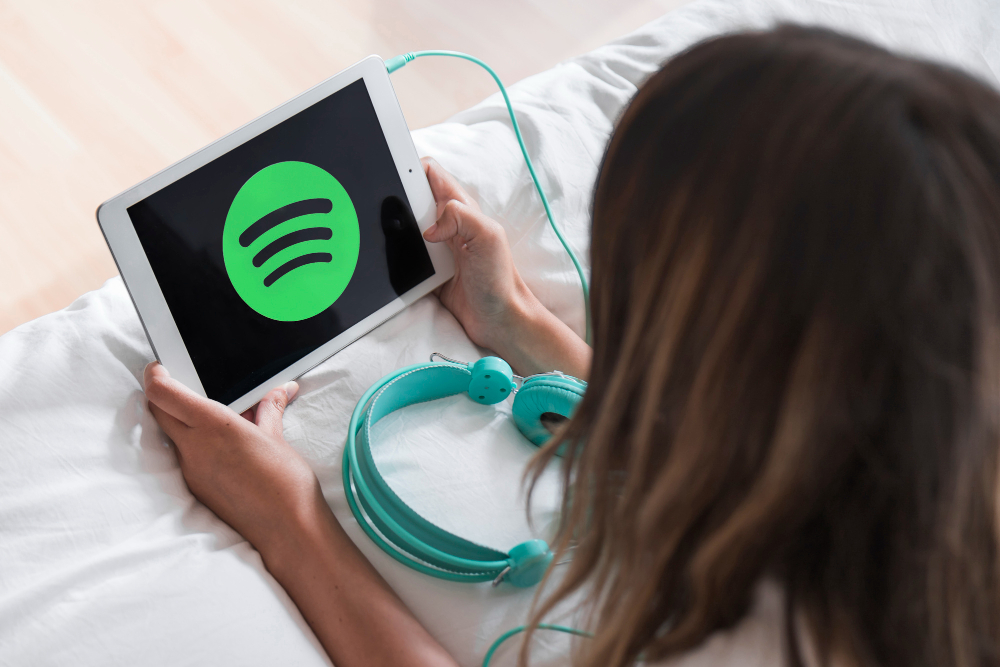
    Uploading your music to Spotify used to feel like breaking into an exclusive club. For independent artists without a record label, the journey seemed confusing, slow, and overwhelming. But in today’s digital-first music scene, uploading songs on Spotify without a label is not only possible but increasingly common. Whether you’re a solo artist, DJ, or indie band, reaching millions of global listeners is within your grasp—if you know what steps to take and which tools to use.

    This comprehensive guide will walk you through every necessary step, from understanding Spotify’s policies to choosing the right distributor and optimizing your music for visibility. If you’re searching for “how to upload songs on Spotify” without the backing of a label, you’re in the right place. By the end of this blog, you’ll be equipped with a step-by-step plan to independently release your music on one of the world’s top streaming platforms. Upload your tracks now with A3Tunes.

    Things to Know Before Uploading to Spotify Without a Label

    Before diving into the actual upload process, it’s essential to understand some foundational elements. These include Spotify’s submission structure, metadata expectations, and the roles of digital music distributors. Mastering these aspects ensures your upload process will be smoother and your music will reach the right audience without delays.

    Understanding Spotify’s Music Distribution Model

    Spotify doesn’t allow artists to upload music directly. Instead, you must go through a digital music distributor, which acts as the bridge between your tracks and Spotify’s massive user base. Companies like DistroKid, TuneCore, and CD Baby are popular options. These platforms handle licensing, royalty collection, and delivery to all major streaming services.

    Secondary keywords: Spotify distributor, digital distribution.

    Legal Rights and Ownership of Your Music

    As an independent artist, you must hold the full rights to the music you’re uploading. This includes the sound recording and, if applicable, the underlying composition. Uploading copyrighted material that you don’t own can result in removal or even legal issues.

    Secondary keywords: music rights, copyright ownership.

    Importance of Metadata Accuracy

    Metadata includes your song title, artist name, release date, genre, and artwork. Accurate metadata ensures your track is properly indexed, searchable, and displayed correctly on Spotify. Mislabeling can delay or derail your release.

    Secondary keywords: music metadata, song information.

    Preparing High-Quality Audio Files

    Spotify accepts files in WAV or FLAC format for the best sound quality. Ensure your audio is mastered and meets streaming standards, typically 16-bit/44.1 kHz stereo WAV files. Poor audio quality can turn off listeners and damage your credibility.

    Secondary keywords: audio quality, music mastering.

    Album Artwork and Branding Requirements

    Your album art must be square, at least 3000 x 3000 pixels, and free from copyrighted images or logos. Eye-catching and professional artwork helps boost credibility and appeal to potential listeners.

    Secondary keywords: album cover design, music branding.

    Step-by-Step Guide to Uploading Songs on Spotify Without a Label

    Now that you understand the basics, let’s walk through the upload process from start to finish. This section is your ultimate roadmap to releasing music independently on Spotify.

    Choose the Right Music Distributor for Spotify

    Start by choosing a digital music distributor that suits your budget and goals. Some charge annual fees (DistroKid), while others take a percentage of your royalties (CD Baby). Evaluate features like speed of delivery, customer support, and distribution reach before deciding.

    Secondary keywords: music aggregator, independent music release.

    Create Your Artist Profile on Spotify for Artists

    Once your music is submitted, claim your Spotify for Artists profile. This platform gives you access to analytics, playlist pitching tools, and customization features like bio, photos, and tour dates.

    Secondary keywords: Spotify for Artists, artist profile setup.

    Upload Your Music and Metadata via the Distributor

    Log into your chosen distributor, upload your audio files, and fill out the necessary metadata. Choose your release date and platforms (ensure Spotify is selected). Double-check all entries before final submission.

    Secondary keywords: song upload process, release management.

    Schedule Your Release Strategically

    Aim for at least 3-4 weeks of lead time before your release date. This allows you to pitch your track for playlist consideration and begin promoting through social media and email campaigns.

    Secondary keywords: music release strategy, Spotify playlists.

    Promote Your Music Post-Upload

    Uploading your song is just the beginning. Share it across your social channels, send it to blogs, and encourage fans to pre-save. Use Spotify Canvas and Marquee ads if your budget allows.

    Secondary keywords: music promotion, independent artist marketing.

    Why Choose A3 Tunes to Upload Your Songs on Spotify

    A3 Tunes simplifies the entire music distribution process. We help independent artists get their songs on Spotify, Apple Music, Amazon, and more—without the hassle. With our platform, you retain 100% ownership and earn royalties directly. We offer fast delivery, metadata assistance, and ongoing promotional support to ensure your release gets noticed. Whether you’re launching your first single or an entire album, A3Tunes provides the tools and guidance to help you succeed in today’s competitive music landscape.

    Conclusion

    Uploading your music to Spotify without a label is no longer a dream reserved for elite artists. By choosing the right distributor, preparing professional-quality content, and understanding how Spotify’s backend works, you can share your music with a global audience. Follow this guide, and you’ll not only learn how to upload songs on Spotify but also how to stand out and thrive as an independent musician. With platforms like A3 Tunes supporting your journey, your music career has never had more potential.

    FAQs

    1. Can I upload music to Spotify without a distributor?
      No. Spotify requires artists to use a digital music distributor to upload their songs.
    2. Which is the best distributor for independent artists?
      DistroKid, TuneCore, and CD Baby are popular among independent artists for different reasons including cost and services.
    3. How much does it cost to upload a song to Spotify?
      It varies by distributor. Some charge per release, while others offer annual subscription models.
    4. Do I keep 100% of my royalties?
      That depends on the distributor. Some allow full royalty retention; others take a percentage.
    5. What format should my music be in for Spotify?
      Use WAV or FLAC files, typically 16-bit/44.1 kHz stereo.
    6. Can I upload cover songs?
      Yes, but you need the proper licensing from the original copyright holder.
    7. How long does it take for a song to appear on Spotify?
      It can take 3-7 days or more, depending on your distributor.
    8. Can I edit my release after submission?
      Minor edits might be possible, but changes after submission can be limited or require re-uploading.
    9. Will I be able to access analytics?
      Yes. Spotify for Artists gives detailed insights into streams, demographics, and listener behavior.
    10. Is A3Tunes a Spotify distributor?
      Yes. A3Tunes offers comprehensive distribution services for independent artists.


  • How AI Mastering Is Changing Music Production

    How AI Mastering Is Changing Music Production

    Introduction

    The music production landscape is evolving faster than ever before. One of the most groundbreaking shifts in recent years is the emergence of AI mastering technology. Where mastering once required expensive studio gear and trained engineers, today’s artists and producers can polish their tracks to professional standards with just a few clicks. For indie musicians, bedroom producers, and even established studios, AI mastering has revolutionized accessibility, efficiency, and consistency in post-production.

    In this blog, we’ll explore the concept of AI mastering, how it compares to traditional techniques, and the benefits it brings to creators across the globe. Whether you’re producing your debut single or scoring a full-length album, understanding this technology can give your music a competitive edge. Check out A3Tunes for advanced AI mastering services that combine innovation with audiophile precision.

    Key Concepts You Should Know Before Using AI Mastering

    Before diving into AI-powered solutions, it’s crucial to understand what mastering involves, the limitations of conventional methods, and what AI really brings to the table.

    What Is Audio Mastering and Why Is It Important?

    Mastering is the final step in music production, where a track is balanced, enhanced, and prepared for distribution. It involves adjusting EQ, compression, stereo width, and loudness to ensure your song sounds great on all playback systems.

    Without mastering, even well-mixed tracks may lack punch, clarity, or cohesion. It’s essential for achieving a polished, radio-ready sound that aligns with industry standards and listener expectations.

    Limitations of Traditional Mastering Methods

    Conventional mastering requires specialized skills, expensive plugins, and acoustically treated environments. Many indie artists struggle to afford professional engineers or find reliable freelancers.

    This dependence often leads to delays, inconsistent quality, and limited control over the final sound. AI mastering solves many of these challenges with speed, affordability, and user control.

    How Does AI Mastering Work?

    AI mastering uses machine learning algorithms trained on thousands of professionally mastered tracks. It analyzes your uploaded audio and applies adjustments in EQ, dynamics, stereo imaging, and limiting based on genre and sonic characteristics.

    The result is a high-quality master delivered in minutes. Most platforms allow users to preview different mastering styles or tweak tonal preferences before finalizing.

    Key Technologies Behind AI Mastering Engines

    At the core of AI mastering are convolutional neural networks and DSP (Digital Signal Processing) engines. These technologies mimic human audio perception and decision-making to apply nuanced adjustments.

    Some services incorporate deep learning models that improve over time, becoming more accurate as they process more music data. Others use genre classifiers and spectral analysis for targeted enhancements.

    Misconceptions About AI Mastering

    Many believe AI mastering is generic or lacks emotion. While it’s true that complex genre-bending or analog-specific needs may still benefit from human input, AI tools today are far from one-size-fits-all.

    Platforms like A3Tunes offer style customization and real-time previews that rival traditional engineers in certain scenarios. The key is knowing when and how to use AI as part of your creative workflow.

    Top 10 Ways AI Mastering Is Transforming Music Production

    1. Empowering Independent Artists with Affordable Mastering

    Professional mastering used to be financially out of reach for most independent musicians. AI has democratized this process, offering affordable solutions without compromising on quality.

    Artists can now release polished tracks without massive budgets, opening the door for more creativity and competitive presence on streaming platforms.

    2. Enhancing Workflow Efficiency and Turnaround Time

    AI mastering is fast—typically delivering results within minutes. This rapid turnaround allows producers to finish projects quickly, make revisions on the fly, and keep momentum in their creative process.

    Time saved on mastering can be reinvested in marketing, production, or content creation, helping artists stay agile in a fast-moving industry.

    3. Improving Consistency Across Tracks and Albums

    Maintaining sonic consistency across multiple songs is challenging. AI mastering platforms offer preset matching and album-wide mastering features that ensure tonal balance and volume uniformity.

    This is especially helpful for EPs or concept albums where flow and cohesion matter. Consistent mastering strengthens your brand’s sonic identity.

    4. Offering Customization Without Complexity

    AI platforms provide user-friendly interfaces where you can tweak brightness, warmth, punch, or loudness without needing technical expertise.

    This customization empowers musicians to experiment and learn, gradually building their understanding of audio mastering in an interactive environment.

    5. Enabling Quick Demos and Rough Mixes for Pitching

    Artists often need high-quality demos to pitch to labels, playlists, or collaborators. AI mastering creates polished previews that enhance the impact of your first impression.

    These quick masters are especially useful during collaborative sessions or when preparing material for sync opportunities.

    6. Supporting Remote Collaboration in Global Teams

    As remote music production becomes more common, AI mastering offers a unified reference point for geographically dispersed teams.

    Collaborators can work across time zones and receive consistent mastering quality without waiting for a human engineer to become available.

    7. Integrating Seamlessly with DAWs and Cloud Platforms

    Many AI mastering solutions now integrate directly with DAWs (like Ableton, Logic, FL Studio) or cloud storage systems, allowing one-click mastering and faster file access.

    This integration streamlines your production workflow and reduces file handling errors, making final delivery smoother and more efficient.

    8. Enhancing Genre Recognition and Adaptive Sound Processing

    Advanced AI platforms use genre detection to apply mastering settings that suit specific musical styles—from hip-hop and EDM to jazz and orchestral.

    Adaptive processing ensures that each track is treated uniquely, avoiding the “cookie-cutter” sound associated with early automation.

    9. Reducing Learning Curve for New Producers

    For beginners, learning to master can be daunting. AI mastering acts as both a shortcut and an educational tool. By comparing before-and-after versions, users learn the effects of key processing techniques.

    Some platforms also include tips or visual feedback that help users understand what’s happening behind the scenes.

    10. Inspiring New Creative Possibilities

    AI mastering isn’t just a finishing tool—it can inspire experimentation. Real-time feedback encourages artists to test different mix versions and try unconventional sonic choices.

    It allows creatives to iterate faster and push genre boundaries, resulting in more innovative and dynamic musical output.

    Why Choose A3Tunes for Your AI Mastering Needs?

    A3Tunes offers cutting-edge AI mastering services that blend high-tech processing with a deep understanding of musical aesthetics. Their mastering engine is optimized for both mainstream and niche genres, delivering precise, professional results for every track.

    Unlike generic platforms, A3Tunes allows for personal customization, enabling artists to fine-tune their master’s tone and loudness. Whether you’re finishing a lo-fi indie record or a punchy dance single, their engine adapts intelligently to your style.

    With fast processing times, user-friendly tools, and competitive pricing, A3Tunes stands out as a go-to resource for artists who want to sound their best without breaking the bank.

    Explore A3Tunes mastering features and try it out.

    Conclusion

    AI mastering is not just a passing trend—it’s a transformative force reshaping how music is created, finished, and released. As tools become smarter and more accessible, more artists will harness the power of machine learning to refine their sound and accelerate their workflow.

    Whether you’re a DIY artist or part of a larger production team, AI mastering offers a compelling mix of quality, affordability, and efficiency. By partnering with trusted platforms like A3Tunes, you can ensure your music reaches audiences with the clarity, punch, and polish it deserves.

    FAQs

    1. What is AI mastering?
      AI mastering uses artificial intelligence to analyze and optimize a track’s EQ, dynamics, stereo width, and loudness automatically. 
    2. Is AI mastering as good as a human engineer?
      For many standard tracks, AI mastering delivers comparable results. Complex or genre-blending pieces may still benefit from human touch. 
    3. Can I control the sound of my AI master?
      Yes, most platforms including A3Tunes offer tonal and loudness customization tools. 
    4. How long does AI mastering take?
      Most services return a master within minutes, significantly faster than traditional processes. 
    5. Is AI mastering good for all music genres?
      Modern AI engines support a wide range of genres, using adaptive processing for genre-specific output. 
    6. Can I use AI mastering for demos or professional releases?
      Yes. Many artists use AI mastering for both high-quality demos and commercial releases. 
    7. Does A3Tunes integrate with DAWs?
      A3Tunes is compatible with common DAW formats and supports fast file uploads and downloads. 
    8. How much does AI mastering cost?
      Pricing varies, but it’s generally more affordable than hiring a professional engineer. A3Tunes offers flexible pricing plans. 
    9. Will AI mastering replace traditional engineers?
      AI won’t replace all engineers but serves as a powerful tool for accessibility and consistency. 
    10. Where can I try AI mastering?
      You can try professional AI mastering today at https://a3tunes.com/. 


  • Why Your Tracks Need AI Mastering in 2025

    Why Your Tracks Need AI Mastering in 2025

    Introduction

    The music industry is undergoing a massive transformation, with artificial intelligence reshaping how tracks are created, mixed, and released. AI mastering is leading this revolution, offering musicians, producers, and independent artists a powerful, cost-effective alternative to traditional mastering studios. Gone are the days when professional-sounding audio was reserved for those with deep pockets or access to elite engineers. In 2025, AI mastering delivers studio-grade quality in minutes, allowing anyone to compete on a global stage.

    Whether you’re an indie artist uploading your debut track or a seasoned producer working on a commercial album, understanding how AI mastering works—and why it’s becoming essential—is crucial. In this guide, we’ll dive into what AI mastering is, how it compares to human mastering, its benefits, and which tools lead the charge. Ready to future-proof your sound? Explore AI mastering options with A3Tunes.

    Things to Know Before Choosing AI Mastering Services

    AI mastering may be revolutionary, but it’s not a one-size-fits-all solution. Before integrating it into your workflow, there are a few technical and artistic considerations to keep in mind. These factors will help you get the best results from any AI mastering tool.

    Understanding the Basics of Mastering

    Mastering is the final step in the music production process. It balances frequencies, controls loudness, and prepares a track for distribution across various platforms. Good mastering ensures that a song sounds professional, cohesive, and consistent.

    AI mastering replicates these adjustments using machine learning and audio analysis. It listens to your track, compares it to genre standards, and applies appropriate enhancements. This makes mastering accessible to those with limited technical knowledge.

    The Difference Between AI and Human Mastering

    Human mastering engineers bring experience, emotion, and subjective interpretation to each track. They can adjust based on artistic intent, mood, and genre-specific dynamics.

    AI mastering tools, on the other hand, follow algorithmic processes. While they offer consistency and speed, they may lack the nuanced decision-making a human offers. However, advances in deep learning are narrowing this gap significantly.

    Audio File Preparation for Optimal AI Results

    To get the best results from AI mastering, ensure your mix is clean and well-balanced. Avoid clipping, excessive compression, or unnecessary effects. Provide a stereo WAV file at 24-bit resolution and a sample rate of at least 44.1 kHz.

    Also, disable any limiters on your master bus to give the AI more room to process dynamics accurately. Clean input equals high-quality output.

    Platforms and Distribution Compatibility

    Different platforms—Spotify, Apple Music, YouTube—use different loudness normalization standards. AI mastering tools often tailor output to meet these specifications, ensuring your tracks sound great everywhere.

    Before finalizing your master, check if your tool offers presets or output formats compatible with the services you plan to distribute through.

    Customization and Genre Matching

    The best AI mastering platforms allow you to choose genre profiles or tonal preferences. This is crucial for achieving the desired emotional and stylistic impact.

    Genres like hip-hop, EDM, classical, and rock have vastly different mastering needs. Matching the correct profile ensures better frequency response and overall polish.

    Top 10 Reasons to Use AI Mastering in 2025

    1. Instant Studio-Quality Results

    AI mastering tools use advanced neural networks to process audio within minutes. Whether you’re racing a release deadline or just want a quick preview, these tools offer near-instant results.

    With evolving machine learning models, the quality now rivals entry-level studio engineers, making it ideal for demos, singles, and even full albums.

    2. Affordability for Independent Artists

    Traditional mastering can cost anywhere from $50 to $200 per track. AI mastering offers subscription models or pay-per-track pricing that’s much more budget-friendly.

    This democratizes access to high-quality mastering, especially for indie artists, bedroom producers, and content creators.

    3. Consistency Across Multiple Tracks

    Albums and EPs require sonic consistency across tracks. AI mastering excels at applying uniform processing settings, ensuring your project sounds cohesive.

    Some platforms let you upload entire projects and apply batch mastering for seamless results.

    4. Easy to Use, No Technical Expertise Needed

    AI mastering platforms are designed with user-friendly interfaces. Just drag and drop your audio file, select your preferences, and let the system work its magic.

    This accessibility makes mastering less intimidating, especially for newcomers to music production.

    5. Real-Time Previews and Adjustments

    Many platforms offer real-time previews of your mastered track. You can toggle between options, tweak tonal settings, and compare results.

    This interactive experience gives users more control without needing deep audio engineering knowledge.

    6. Adaptation to Platform Standards

    AI mastering tools are built with platform-specific loudness and compression targets in mind. Whether you’re releasing on Spotify, Tidal, or YouTube, you can ensure optimal playback.

    These platforms reduce the risk of overcompression or distortion during distribution by offering tailored settings.

    7. Continuous Learning and Improvements

    AI mastering algorithms improve with every track they process. As more data is fed into the system, the AI gets better at recognizing genres, production styles, and audio quirks.

    This constant evolution ensures that the quality of output continues to rise with time.

    8. Environmental Sustainability

    Traditional mastering sessions involve hardware, power consumption, and sometimes travel. AI mastering, being entirely cloud-based, significantly reduces your carbon footprint.

    For eco-conscious artists and labels, this is a major advantage.

    9. Access to Genre-Specific Enhancements

    AI mastering tools now offer genre-based presets that tailor EQ, dynamics, and stereo width based on the track’s style. This ensures that a trap beat hits hard, while a folk ballad maintains warmth.

    Such specificity enhances listener experience and aligns with commercial standards.

    10. Integration with DAWs and Production Workflows

    Many AI mastering tools now offer VST plugins or integrations with popular DAWs like Ableton, FL Studio, and Logic Pro. This allows for seamless transitions from mixing to mastering within your workspace.

    This streamlined workflow saves time and boosts creative momentum.

    Why Choose A3Tunes for AI Mastering?

    A3Tunes offers a cutting-edge AI mastering platform designed for modern musicians. Their proprietary algorithm blends advanced audio analysis with creative presets to deliver stunning results across genres.

    What sets A3Tunes apart is their commitment to artist control. Unlike many rigid AI tools, A3Tunes allows users to customize tonal balance, loudness levels, and stereo imaging. This hybrid model offers both automation and flexibility.

    With lightning-fast processing, genre-aware settings, and compatibility with all major streaming platforms, A3Tunes is perfect for artists who want professional polish without the price tag. Whether you’re finalizing a single or prepping an album drop, A3Tunes has your mastering needs covered.

    Conclusion

    AI mastering isn’t just a trend—it’s a transformative tool that’s leveling the playing field in the music industry. With affordability, speed, consistency, and studio-grade quality, AI mastering in 2025 is empowering artists at all levels to deliver polished, professional music.

    If you’re still relying solely on traditional workflows, now’s the time to explore what AI can do for your sound. Platforms like A3Tunes combine intelligent automation with artist control, offering the best of both worlds. Whether you’re launching your first single or putting the final touches on your latest project, AI mastering is the smart choice for modern creators.

    FAQs

    1. What is AI mastering?
      AI mastering uses artificial intelligence to analyze and enhance audio tracks for professional sound quality.

    2. Is AI mastering better than human mastering?
      It’s faster and more affordable, but may lack some emotional nuance. Ideal for quick results or budget-friendly mastering.

    3. What file types are supported by AI mastering tools?
      Most tools accept WAV, AIFF, and sometimes MP3 files, with WAV being preferred.

    4. How long does AI mastering take?
      Most platforms deliver mastered tracks within minutes.

    5. Can I use AI mastering for an entire album?
      Yes, many platforms support batch processing for cohesive album mastering.

    6. Is AI mastering good for all music genres?
      Yes, especially platforms like A3Tunes that offer genre-specific profiles.

    7. Do AI mastering tools support loudness standards?
      Absolutely—they’re designed to meet Spotify, YouTube, and Apple Music loudness norms.

    8. Can I customize the output in AI mastering?
      With A3Tunes, yes. You can tweak tonal balance, loudness, and more.

    9. Is AI mastering suitable for professional releases?
      Yes, especially with high-quality platforms like A3Tunes.

    10. How can I try A3Tunes AI mastering?
      Visit https://a3tunes.com/ to get started with their intuitive AI mastering platform.


  • Biggest Challenges for a New Music Artist

    Biggest Challenges for a New Music Artist

    Embarking on a journey as a new music artist is both exciting and daunting. The thrill of creating original music and sharing it with the world is matched by the complex challenges of standing out in an overcrowded industry. From production barriers to marketing obstacles, navigating the modern music landscape can be overwhelming without a clear path forward.

    In this blog, we’ll explore the biggest challenges that new music artists face and provide actionable insights to overcome them. Whether you’re struggling with visibility, financial limitations, or building a loyal fanbase, this guide is your roadmap to success. And remember, A3Tunes offers personalized services and resources to help independent artists tackle these challenges head-on and grow their careers confidently.

    Crucial Things to Understand Before Starting Your Music Career

    Before diving into the challenges, it’s essential to have a foundational understanding of the music industry. Being well-prepared will help you make smarter decisions and avoid common pitfalls.

    Know the Industry Landscape

    The music industry has evolved dramatically with the rise of digital platforms. Independent artists now have more opportunities than ever, but this also means increased competition. Understanding the ecosystem of streaming services, social media, and distribution platforms is vital.

    Keep up with industry trends and learn how labels, managers, and rights organizations operate. Knowledge is power, and the more you understand the business, the better you’ll navigate your career.

    Develop a Unique Identity

    As a new music artist, your identity is your brand. Creating a distinct sound, style, and image sets you apart from others. Your uniqueness becomes your value proposition in a crowded market.

    Invest time in defining your voice and message. Use consistent visuals, language, and music themes to build a recognizable presence. This authenticity fosters stronger fan connections.

    Build a Support System

    Behind every successful artist is a reliable support network. This could include mentors, fellow musicians, producers, or agencies like A3Tunes. Surrounding yourself with the right people provides emotional, creative, and professional support.

    A support system helps you stay motivated, receive constructive feedback, and find opportunities. Collaborative environments lead to shared growth and learning.

    Understand the Power of Content

    Content drives visibility in today’s music landscape. Beyond producing great music, you need to share engaging content that showcases your journey, process, and personality.

    From social media posts and music videos to behind-the-scenes footage and blogs, every piece of content adds value. The more consistently you create, the more your audience will grow.

    Stay Committed and Resilient

    Success in music doesn’t happen overnight. Setbacks are part of the process, and resilience is key to long-term growth. Staying committed to your goals through challenges defines your trajectory.

    Treat every challenge as a learning opportunity. The more you adapt and evolve, the closer you’ll get to your breakthrough moment.

    Top 10 Challenges Faced by New Music Artists

    1. Lack of Industry Knowledge

    Many new artists dive into the music world without understanding its structure. Terms like publishing rights, royalties, and contracts can be confusing but are crucial for long-term success.

    Educate yourself through online courses, industry blogs, and platforms like A3Tunes that offer artist resources. A solid grasp of the industry protects your rights and enhances your professionalism.

    2. Limited Financial Resources

    Producing, distributing, and promoting music costs money. Without label support, these expenses fall on the artist, making it difficult to compete.

    Focus on budget-friendly tools and prioritize essential investments like quality production and targeted marketing. Explore grants, crowdfunding, and free promotional platforms to stretch your resources.

    3. Gaining Visibility

    Standing out in a sea of talent is one of the hardest parts of being a new music artist. With thousands of songs released daily, getting noticed requires strategic promotion.

    Use social media, playlist submissions, and collaborations to increase exposure. A3Tunes can help with personalized marketing strategies to improve your visibility.

    4. Building a Fanbase

    Gaining listeners is one thing; building a loyal fanbase is another. Fans who connect with your music and message are more likely to support your career long-term.

    Engage authentically through comments, DMs, and live interactions. Offer exclusive content and consistent updates to keep fans invested in your journey.

    5. Navigating Music Distribution

    Choosing the right platform to distribute your music can be confusing. Some offer great analytics, others better monetization.

    Compare services like DistroKid, TuneCore, and A3Tunes to find the right fit for your needs. Ensure your music is easily accessible on all major platforms.

    6. Creating Consistent Content

    Many artists struggle with maintaining a consistent content schedule. Without regular updates, fans lose interest and engagement drops.

    Use scheduling tools to plan your content. Focus on a mix of music-related and personal posts to keep things fresh and engaging.

    7. Self-Doubt and Creative Blocks

    Imposter syndrome, burnout, and creative ruts are common, especially early in a career. These mental challenges can stall progress and reduce motivation.

    Find routines that spark creativity and take breaks when needed. Connect with other artists for support and encouragement.

    8. Managing Time Effectively

    Balancing music creation with marketing, networking, and daily life can be exhausting. Poor time management leads to missed opportunities and burnout.

    Create a structured schedule and set realistic goals. Use productivity tools and delegate tasks when possible to stay on track.

    9. Lack of Access to Professional Services

    High-quality production, mastering, and marketing are often expensive and hard to access for beginners.

    Partner with platforms like A3Tunes that offer affordable, high-quality services designed specifically for independent artists. Professional support gives you a competitive edge.

    10. Understanding Music Monetization

    Figuring out how to earn from your music is a challenge in itself. Between streaming, sync licensing, merchandise, and live gigs, options can be confusing.

    Learn the pros and cons of each revenue stream. Diversify your income to create a more stable financial foundation for your music career.

    Why You Should Choose A3Tunes for Your Music Career

    Overcoming challenges as a new music artist becomes easier when you have the right partner. A3Tunes provides tailored services for independent musicians looking to elevate their careers. From expert music production and strategic marketing to seamless distribution, they offer everything you need under one roof.

    Whether you’re dealing with limited resources, creative blocks, or promotional challenges, A3Tunes delivers affordable, high-impact solutions. Their team understands the unique struggles of new artists and offers personalized guidance to help you grow. Explore their services at A3Tunes.com and take the next step in your music journey with confidence.

    Conclusion

    Becoming a successful music artist is a journey filled with highs and lows. The biggest challenges—from financial hurdles and content creation to industry knowledge and fan engagement—can seem intimidating, but they are also opportunities for growth.

    By understanding the landscape and implementing smart strategies, you can overcome these obstacles and carve out your space in the music world. With commitment, consistency, and support from partners like A3Tunes, you can turn your passion into a thriving career. Stay focused, stay creative, and keep moving forward.

    FAQs

    1. What is the biggest challenge for new music artists?
      Gaining visibility and building a fanbase are among the top challenges.

    2. How can I promote myself without a big budget?
      Use social media, collaborations, and free platforms like SubmitHub and Reddit.

    3. Is it necessary to understand music business terms?
      Yes, understanding contracts, royalties, and rights is crucial for protecting your work.

    4. What tools help new artists the most?
      DAWs, content schedulers, distribution services, and analytics platforms are essential.

    5. Can I make money without a label?
      Yes, through streaming, merchandise, live shows, and sync licensing.

    6. How do I find affordable production services?
      Platforms like A3Tunes offer budget-friendly, professional production packages.

    7. What is the best way to release music as a beginner?
      Use a reliable distributor like A3Tunes to get your music on all major platforms.

    8. How often should I post content online?
      Aim for 3–5 times per week to maintain engagement and visibility.

    9. What if I hit a creative block?
      Take a break, explore new inspirations, and connect with other creatives.

    10. Why should I choose A3Tunes?
      They offer expert guidance, affordable services, and all-in-one support tailored to new music artists.


  • How to Promote Yourself as a Music Artist

    How to Promote Yourself as a Music Artist

    In a digital age overflowing with talent and content, standing out as a music artist is no small feat. From social media buzz to playlist placements, artists must master the art of self-promotion to capture attention and grow their fanbase. Whether you’re an emerging talent or refining your promotional approach, knowing how to promote yourself effectively is critical to success.

    This guide will walk you through practical strategies every music artist should adopt to gain visibility, build credibility, and create lasting fan connections. You’ll learn how to use digital platforms, craft your brand, and leverage data-driven tactics to make waves in the industry. For expert support in marketing, production, and artist development, don’t forget to explore A3Tunes, a trusted partner for independent artists worldwide.

    Things to Understand Before Promoting Yourself

    Before diving into promotional tactics, it’s essential to build a strong foundation. Effective promotion relies on a combination of preparation, clarity, and consistency.

    Define Your Artist Identity

    Your identity is your calling card. It’s what separates you from countless other music artists. Your name, logo, genre, tone, and visual aesthetic should reflect a consistent and memorable persona that fans can easily recognize.

    Clarity about who you are makes it easier to market your music. Create an artist bio that captures your essence and use cohesive branding across all channels. A clear identity builds trust and attracts loyal followers.

    Set Clear Goals

    Promotion without direction is wasted effort. Are you aiming to increase streams, sell concert tickets, or build a social media following? Define specific, measurable goals to guide your strategies and track your success.

    Once you have goals, align your promotional activities accordingly. For example, if growing your fanbase is the priority, focus on engagement-driven platforms like TikTok and Instagram.

    Know Your Audience

    Understanding your target audience is key to effective promotion. What platforms do they use? What type of content resonates with them? Use analytics tools from Spotify for Artists, Instagram Insights, and YouTube Studio to gather data.

    Once you identify audience preferences, tailor your messaging and promotions accordingly. This personalized approach increases your chances of engagement and retention.

    Prepare Promotional Assets

    High-quality visuals and content make your promotions more compelling. Prepare assets like press photos, a professional bio, music videos, and teaser clips. These can be reused across platforms for consistent branding.

    Consider investing in graphic design or using tools like Canva to maintain a polished aesthetic. Your promotional content should reflect your professionalism and style.

    Be Consistent

    Consistency is crucial in building awareness and trust. Post regularly on your chosen platforms, interact with your audience, and maintain a steady release schedule. This keeps fans engaged and informed.

    Create a content calendar to plan ahead and avoid gaps in activity. Regular updates help maintain momentum and boost algorithmic visibility on social platforms.

    10 Strategies to Promote Yourself as a Music Artist

    Leverage Social Media

    Social media is a must for every modern music artist. Platforms like TikTok, Instagram, and Twitter offer tools for engagement, promotion, and storytelling. Use them to share music clips, behind-the-scenes content, and live Q&As.

    Be authentic and responsive. The more you interact with fans, the stronger your community becomes. Use platform-specific features like Reels, Stories, and hashtags to boost reach.

    Build and Maintain a Website

    Your website is your digital home base. Include a bio, tour dates, music links, press kit, blog, and contact info. It gives fans and industry professionals a reliable place to learn about you.

    Optimize your website for SEO with keywords like “music artist” and your genre. Regular updates and embedded streaming links can also improve discoverability.

    Create a Content Strategy

    Effective content tells your story while promoting your work. Develop a strategy that includes music releases, updates, visuals, and personal insights. Balance promotional posts with authentic, relatable content.

    Use scheduling tools like Later or Hootsuite to maintain consistency. A mix of evergreen and timely content keeps your profile dynamic and engaging.

    Collaborate with Other Artists

    Collaborations expand your reach by introducing you to another artist’s audience. Whether it’s a joint single, live performance, or social media feature, cross-promotion is highly effective.

    Choose collaborators who complement your style and values. Promote each other’s work and share audience insights for maximum impact.

    Submit to Music Blogs and Playlists

    Blog features and playlist placements enhance your credibility and reach. Submit to independent curators through SubmitHub, Groover, or directly via email with an EPK.

    Craft personalized pitches that highlight your unique sound and story. Track your placement performance and build relationships with curators for future releases.

    Use Email Marketing

    Email gives you direct access to your most loyal fans. Use tools like Mailchimp to create newsletters with exclusive updates, early releases, and ticket offers.

    Segment your list based on fan behavior for more targeted messages. Regular emails keep your audience informed and invested in your journey.

    Run Targeted Ads

    Paid advertising on platforms like Facebook, Instagram, and YouTube allows you to reach specific demographics. Promote new singles, upcoming shows, or merch with well-designed campaigns.

    A/B test different visuals and copy to see what resonates. Analyze performance metrics to refine your approach and maximize return on investment.

    Perform Live (In-Person and Virtually)

    Live shows offer unmatched connection. Whether on stage or live-streamed, performances help you bond with fans and showcase your talent.

    Promote your gigs across all platforms and encourage fans to bring friends. Record live content for later promotion and use it to secure future bookings.

    Create and Sell Merchandise

    Merchandise is both a revenue stream and promotional tool. Custom t-shirts, posters, and accessories turn fans into brand ambassadors.

    Use platforms like Printful or Teespring to launch a merch line with minimal upfront costs. Promote your products through your website and social channels.

    Engage with Fans Consistently

    Engagement fuels loyalty. Reply to comments, DMs, and fan-generated content. Host Q&As or ask for input on music projects to make fans feel valued.

    Personalized interactions create memorable experiences. When fans feel seen, they’re more likely to support and promote your work organically.

    Why You Should Choose A3Tunes for Your Music Career

    Promotion is a full-time job—but you don’t have to do it alone. A3Tunes offers tailored services to help music artists like you develop a professional brand and reach a wider audience. From marketing strategies and music production to digital distribution, they provide all-in-one support for serious artists.

    With hands-on guidance and powerful tools, A3Tunes helps you streamline your promotions, enhance your sound, and build a loyal fanbase. Their team understands the challenges of being an independent artist and offers personalized solutions that deliver results. Visit A3Tunes.com today and take your promotion strategy to the next level.

    Conclusion

    Promoting yourself as a music artist is both an art and a science. It requires creativity, discipline, and a deep understanding of your audience. By combining clear branding with smart strategies like content marketing, collaborations, and live performances, you can grow your presence and thrive in a competitive industry.

    Consistency, authenticity, and adaptability are key. Use the tools and tactics shared in this blog to build meaningful connections and convert listeners into fans. And when you’re ready to accelerate your growth, trust A3Tunes to support your vision and help you make your mark as a successful music artist.

    FAQs

    1. What is the best way to promote myself as a new music artist?
      Start with social media engagement, a strong bio, and submitting music to playlists and blogs.

    2. Do I need a website as a music artist?
      Yes, it helps centralize your content, boost SEO, and build credibility.

    3. How can I use email marketing to promote my music?
      Send updates, exclusive content, and early releases to build a loyal fanbase.

    4. What platforms are best for music promotion?
      TikTok, Instagram, YouTube, and SubmitHub are great for reach and engagement.

    5. How do I collaborate with other artists?
      Reach out via social media or mutual connections and align your goals and style.

    6. Are paid ads effective for music promotion?
      Yes, when targeted properly and combined with engaging content.

    7. How can I promote my live performances?
      Use event pages, social media announcements, and email campaigns.

    8. Why is branding important for music artists?
      Consistent branding makes you memorable and builds fan trust.

    9. What kind of merch should I sell?
      Start with popular items like t-shirts, hoodies, and posters customized with your logo.

    10. How can A3Tunes help with promotion?
      They offer expert marketing, production, and distribution services tailored to artists.


  • Top Platforms Every Music Artist Should Use

    Top Platforms Every Music Artist Should Use

    In the ever-evolving world of music, every aspiring music artist must harness the power of online platforms to build their presence, share their work, and grow their audience. Whether you’re just starting out or looking to expand your reach, having access to the right tools can make a significant difference. As an independent artist, it’s crucial to understand which platforms offer the best opportunities for distribution, marketing, networking, and fan engagement.

    This blog explores the top platforms that every music artist should be using in today’s digital age. From streaming services and social media to promotional tools and collaborative networks, we break down what makes each platform essential for your career. If you’re looking to streamline your music journey and tap into professional resources, don’t forget to explore A3Tunes for artist development, music production, and personalized support tailored to independent musicians.

    Key Considerations Before Choosing a Platform

    Before diving into specific platforms, it’s important to understand the criteria that make a platform valuable for a music artist. Not every platform offers the same features or benefits, so knowing what to look for can help you make informed decisions.

    Know Your Target Audience

    Every platform attracts different demographics. Understanding who your audience is—age, location, interests—helps you choose platforms where your music is most likely to gain traction. For instance, younger listeners might be more active on TikTok and YouTube, while older demographics might prefer Facebook or traditional streaming apps.

    Tailoring your platform choices based on audience behavior increases engagement and helps you grow a loyal fan base. Track where your current listeners come from and prioritize those channels. This also improves your marketing efficiency and return on investment.

    Evaluate Platform Features

    Different platforms offer unique features tailored to music artists. Some provide in-depth analytics, others offer direct fan engagement tools, and some focus purely on distribution. Evaluating these features in line with your career goals will help you pick platforms that support your growth.

    Look for features like customizable artist pages, playlist submissions, monetization options, and promotional tools. Choosing platforms with built-in fan insights and real-time engagement metrics can inform your content strategy.

    Understand Monetization Options

    As a music artist, monetizing your work is a key objective. Many platforms offer revenue-sharing models, ad placements, tip jars, or fan subscriptions. Understanding how these work can help you prioritize which platforms to focus on.

    Research the platform’s payout structure, minimum withdrawal thresholds, and whether they support independent musicians. A platform that pays per stream or allows for direct sales can be a reliable income source over time.

    Consider Community and Networking Potential

    Platforms that foster collaboration or community-building can greatly benefit independent artists. Whether it’s discovering new producers or connecting with fans, having access to a like-minded community can fuel your creativity and career.

    Check for built-in community features such as comment threads, forums, or messaging options. Strong networking opportunities can lead to collaborations, co-promotions, and increased exposure.

    Platform Scalability and Longevity

    Choose platforms that are scalable as your music career grows. You want platforms that evolve with new technology and trends while offering long-term stability and support.

    Avoid putting all your efforts into emerging platforms that may not last. Instead, focus on those with a proven track record and robust infrastructure to support artist growth across all levels.

    Top 10 Platforms Every Music Artist Should Use

    Spotify for Artists

    Spotify is the go-to streaming service for millions of listeners worldwide. With Spotify for Artists, you can claim your profile, customize your bio, track listener analytics, and submit your tracks for playlist consideration.

    The platform provides deep insights into who’s listening to your music and how they engage. You can use this data to plan marketing campaigns or tours. Spotify Canvas also lets you add visuals to your tracks, enhancing user experience.

    Apple Music for Artists

    Apple Music offers high-quality streaming and a dedicated dashboard for artists. You can track metrics such as Shazams, plays, and purchases, helping you understand your audience better.

    With Apple Music for Artists, you also gain access to geographic data and milestones, allowing you to tailor your promotional efforts. It’s a must-have for reaching a wide range of fans across different age groups.

    YouTube and YouTube Music

    YouTube is both a video platform and a music discovery tool. It allows music artists to upload music videos, lyric videos, vlogs, and live performances. YouTube Music focuses specifically on audio streaming.

    Monetization options include ads, channel memberships, and Super Chats during live streams. YouTube also offers YouTube Shorts for quick promotional content, making it a powerful tool for visibility.

    TikTok

    TikTok has become one of the most influential platforms for viral music trends. With its short-form content format, artists can showcase snippets of their songs, engage fans through challenges, and gain massive exposure.

    Its algorithm favors new content, providing opportunities for organic reach. Many artists have skyrocketed to fame simply through TikTok—making it a key promotional platform.

    Instagram

    Instagram is ideal for visual storytelling. Features like Reels, Stories, and Lives let artists showcase their personalities, behind-the-scenes moments, and upcoming projects.

    With a professional account, you gain access to analytics and shopping features for merch. Cross-promoting posts with music links can drive traffic and engagement.

    SoundCloud

    SoundCloud is popular among emerging artists for its community-driven model. You can upload tracks directly, receive feedback, and even discover potential collaborators.

    Its repost feature helps you reach new listeners, and SoundCloud Premier allows for monetization. It’s a testing ground for new sounds and a great platform for fan interaction.

    Bandcamp

    Bandcamp empowers artists by allowing them to sell music and merchandise directly to fans. You set your own prices and retain a significant portion of the revenue.

    It also offers subscription models and fan messaging. Bandcamp Fridays, where the platform waives its fees, are a great way to boost earnings and visibility.

    DistroKid

    DistroKid is a digital music distributor that uploads your music to platforms like Spotify, Apple Music, and more. It offers features like automatic splits for collaborators and HyperFollow pages.

    Its fast upload process and one-time annual fee make it cost-effective for indie artists. DistroKid also integrates with promotional tools, simplifying the distribution process.

    Audiomack

    Audiomack is a growing music platform that supports both streaming and downloading. It’s especially popular in emerging markets and offers tools like trend analytics and monetization.

    Artists can upload unlimited music for free, and the platform emphasizes discovery, making it a good option for reaching new audiences.

    Patreon

    Patreon allows you to build a subscription-based fan community. You can offer exclusive content, early releases, and personalized interactions in exchange for monthly support.

    It’s ideal for deepening fan relationships and generating recurring income. Many artists use Patreon to supplement income while giving fans a more intimate experience.

    Why You Should Choose A3Tunes for Your Music Career

    While platforms are essential tools, having a reliable support system can amplify your efforts. A3Tunes offers a full suite of services designed specifically for independent music artists. From professional music production and mixing to strategic distribution and marketing, they help artists thrive in a competitive landscape.

    With A3Tunes, you gain access to personalized advice, creative direction, and technical expertise. Their holistic approach ensures you’re not just another upload on a platform—you’re a well-branded, market-ready artist with a clear path to success. Discover how A3Tunes can elevate your music journey by visiting A3Tunes.com.

    Conclusion

    Navigating the world of music platforms can be daunting, but choosing the right ones is critical to your growth as a music artist. Each platform brings unique advantages, from analytics and audience reach to monetization and community-building. By strategically using the tools discussed in this blog, you can position yourself for long-term success.

    Remember, it’s not about being on every platform, but about maximizing the potential of each one that aligns with your brand and goals. With consistent effort and the right partners like A3Tunes, you can transform your passion into a thriving music career.

    FAQs

    1. What is the best platform for new music artists to start with?
      SoundCloud and TikTok are great starting points for exposure and feedback.

    2. Can I make money from these platforms as an independent artist?
      Yes, many platforms offer monetization options such as ads, streams, and direct sales.

    3. How often should I post content on social media platforms?
      Aim for 3–5 times per week to maintain engagement and visibility.

    4. Do I need all these platforms to succeed?
      No, choose platforms that align with your audience, goals, and content style.

    5. What is the difference between Spotify and Apple Music for artists?
      Spotify offers more social features, while Apple Music provides deeper geographical analytics.

    6. Is YouTube still effective for promoting music?
      Absolutely. It remains one of the top platforms for music discovery and fan engagement.

    7. Can I sell my music directly to fans?
      Yes, platforms like Bandcamp and Patreon enable direct-to-fan sales and subscriptions.

    8. What are playlist submissions, and why are they important?
      Submitting to playlists increases your chances of discovery by new listeners.

    9. How can A3Tunes help me manage these platforms?
      A3Tunes offers strategic guidance and services to optimize your presence across key platforms.

    10. Should I use a digital distributor like DistroKid or A3Tunes?
      Yes, using a distributor ensures your music reaches all major streaming platforms efficiently.


  • Know Everything About EP vs Album in 2025

    Know Everything About EP vs Album in 2025

    In the ever-evolving music industry, artists and listeners are constantly redefining how they consume and create music. One of the most common debates revolves around the EP vs album format. In 2025, with streaming platforms dominating the music landscape, the line between these two formats is blurrier than ever. Whether you’re an upcoming artist trying to decide which format works best for your release or a music fan curious about the differences, understanding EPs and albums can help you navigate the modern music scene with clarity.

    This blog explores what makes an EP different from an album, their respective benefits, and how they influence an artist’s growth in today’s digital age. By the end, you’ll know exactly which format is more strategic for your musical journey. If you’re an independent artist looking for professional support with your music distribution and promotion, A3Tunes can help you make the right choice and amplify your reach.

    What You Need to Know About EPs and Albums in 2025

    Before choosing between an EP and an album, it’s essential to understand how the industry perceives these formats today. Traditionally, an EP (Extended Play) is a shorter collection of songs, typically 3–6 tracks, whereas an album usually contains 8–15 tracks or more. But in 2025, with streaming-driven strategies, these boundaries are shifting.

    Streaming platforms now encourage shorter, frequent releases to maintain audience engagement, making EPs a popular choice for many new artists. Albums, however, still hold cultural significance and can position an artist as more established. Let’s break down the essential factors that differentiate EPs from albums in more detail.

    What Is an EP?

    An EP, or Extended Play, is a concise musical project designed to give listeners a taste of an artist’s sound. It usually has fewer tracks than an album but more than a single. Secondary keywords like short-form release and music sampler apply here.

    EPs are ideal for testing new genres, introducing yourself to new audiences, or keeping fans engaged between larger projects. In 2025, many independent artists use EPs strategically to build momentum without the heavy investment required for an album.

    What Is an Album?

    An album is a longer, more cohesive project that often represents a complete artistic statement. It typically contains 8–15 tracks and has a broader narrative or concept. Secondary keywords like full-length project and concept album are relevant here.

    Albums remain a milestone in an artist’s career. In 2025, albums are often paired with elaborate marketing campaigns and visual storytelling, solidifying an artist’s brand and legacy.

    Key Differences Between EP vs Album

    The main difference lies in the number of tracks and the overall length. EPs usually run under 30 minutes, while albums can extend to an hour or more. Keywords like track count and music format apply here.

    Another key distinction is purpose. EPs are often used for experimentation and quick audience engagement, while albums aim for deeper storytelling and long-term impact.

    How Streaming Platforms Have Changed EPs and Albums

    In the streaming era, shorter releases like EPs perform well because they cater to quick listening habits. Platforms like Spotify favor frequent releases for algorithmic boosts. Keywords like streaming strategy and playlist placement fit here.

    Albums, however, still hold value for artists who want to create a lasting cultural impact. Deluxe editions, bonus tracks, and visual albums have gained traction in 2025, enhancing the album experience.

    When Should Artists Release an EP vs Album?

    EPs work best for emerging artists building an audience, while albums suit established artists ready to make a major artistic statement. Keywords like career strategy and music release planning are essential here.

    Choosing the right format depends on your goals, budget, and audience expectations. Many artists now blend both strategies, releasing multiple EPs before launching a debut album.

    Benefits of Releasing an EP

    EPs offer several advantages for artists in today’s music landscape. Let’s explore why they are a popular choice in 2025.

    Cost-Effective and Faster to Produce

    EPs require fewer resources, making them more affordable for independent artists. Keywords like low production cost and quick turnaround apply here.

    This allows artists to release music more frequently, keeping their audience engaged without long waiting periods.

    Perfect for Experimentation

    EPs allow artists to explore different sounds or genres without the pressure of a full album release. Keywords like creative freedom and genre testing are relevant.

    Listeners also appreciate shorter projects that are easy to digest, making EPs a great way to attract new fans.

    Benefits of Releasing an Album

    Albums still hold a prestigious place in the music industry. Here’s why they remain valuable in 2025.

    Stronger Artistic Identity

    Albums give artists more room to tell a cohesive story or express a concept. Keywords like artistic vision and conceptual storytelling matter here.

    They also establish credibility and can elevate an artist from emerging talent to a serious contender in the industry.

    Better Long-Term Revenue Potential

    Albums often have more tracks, leading to higher streaming royalties and physical sales. Keywords like streaming revenue and merchandise bundles are relevant here.

    They also create more opportunities for deluxe editions, vinyl pressings, and special anniversary re-releases.

    How A3Tunes Helps Artists Decide Between EP and Album

    Choosing between an EP and an album can be tricky, especially in a rapidly changing music industry. A3Tunes helps artists develop tailored release strategies based on their goals, audience, and budget. From distribution to marketing, A3Tunes ensures your music gets the attention it deserves.

    Their expertise in digital promotion, playlist pitching, and analytics gives artists a competitive edge. Whether you’re planning a debut EP or a full-length album, A3Tunes provides the tools and guidance to maximize your success.

    Conclusion

    In 2025, the EP vs album debate is more about strategy than format. EPs offer flexibility and faster audience engagement, while albums build deeper artistic legacies. The best approach depends on where you are in your music career and how you want listeners to experience your work.

    If you’re unsure which route to take, A3Tunes can help you create a customized release plan that aligns with your artistic goals and market trends. Whether it’s an EP or an album, the right strategy can elevate your music to the next level.

    FAQs

    1. What does EP stand for in music?
      EP stands for Extended Play, a shorter music release with 3–6 tracks.

    2. How many tracks make an album?
      Albums typically have 8–15 tracks or more, depending on the artist.

    3. Which is better for new artists: EP or album?
      EPs are better for emerging artists as they are easier and cheaper to produce.

    4. Do EPs make money on streaming platforms?
      Yes, EPs generate streaming revenue similar to albums but with fewer tracks.

    5. Can an EP have a theme like an album?
      Absolutely, EPs can still follow a concept or theme despite being shorter.

    6. Why are EPs popular in 2025?
      They cater to streaming trends and shorter listening habits.

    7. Are albums still important in the streaming era?
      Yes, albums remain significant for artistic identity and long-term impact.

    8. Can I release multiple EPs before an album?
      Yes, many artists release EPs to build momentum before a debut album.

    9. Do streaming platforms favor EPs or albums?
      Streaming algorithms favor frequent releases, making EPs a smart choice.

    10. How can A3Tunes help with my music release?
      A3Tunes offers expert distribution, promotion, and release strategy services for EPs and albums.

  • Learn Everything About DIY Music Distribution in 2025

    Learn Everything About DIY Music Distribution in 2025

    Introduction

    The music industry in 2025 has transformed dramatically, offering independent artists more freedom and opportunities than ever before. DIY music distribution has become a powerful tool for musicians who want to take control of their careers, bypass traditional record labels, and connect directly with their fans. Whether you’re an emerging artist just starting your journey or a seasoned musician looking for more independence, understanding DIY music distribution can help you unlock new revenue streams, reach global audiences, and retain full ownership of your music.

    In this comprehensive guide, we’ll walk you through everything you need to know about DIY music distribution in 2025. From understanding the latest platforms to leveraging digital marketing strategies, you’ll learn how to successfully distribute your music across streaming platforms, social media, and beyond. By the end, you’ll see why partnering with A3Tunes can elevate your DIY journey, offering tailored tools and services designed for independent musicians. Let’s dive into the evolving world of DIY music distribution and discover how you can thrive in today’s competitive market.

    Things to Know Before Starting DIY Music Distribution in 2025

    Before diving into DIY music distribution, it’s important to understand the evolving landscape of the music industry. In 2025, streaming platforms dominate the market, social media plays a crucial role in artist discovery, and fan engagement drives revenue. Knowing how these elements intersect will help you make informed decisions about where and how to distribute your music. Additionally, understanding the importance of metadata, copyrights, and royalties ensures you maximize your earnings and protect your work.

    Below, we’ve broken down the key areas you need to be aware of before choosing your DIY music distribution strategy. Each section will help you build a solid foundation and avoid common mistakes that many independent artists face when entering the digital distribution world.

    Understanding Music Distribution Platforms

    Choosing the right music distribution platform is crucial for independent artists. Platforms like DistroKid, TuneCore, and CD Baby have paved the way, but in 2025, newer AI-powered tools provide even more advanced analytics and revenue optimization. These services help distribute your tracks across Spotify, Apple Music, YouTube Music, and emerging platforms that focus on niche audiences. Knowing which platform aligns with your goals can save time and increase your visibility.

    In addition to platform selection, you must consider distribution fees, royalty splits, and support for new monetization models like NFTs and virtual concerts. Many DIY musicians overlook these aspects and end up with services that don’t meet their long-term needs. Researching platform-specific features, such as playlist pitching and promotional tools, will give you a competitive edge.

    Importance of Metadata and Song Registration

    Metadata might sound technical, but it’s one of the most critical elements of DIY music distribution. Accurate metadata—including song titles, credits, ISRC codes, and genre tags—ensures your music is correctly identified across streaming platforms. Without it, you risk lost royalties and missed opportunities for algorithmic recommendations. In 2025, automated metadata optimization tools make this process easier than ever.

    Song registration with performing rights organizations (PROs) is equally essential. Organizations like ASCAP, BMI, or PRS help you collect performance royalties when your music is played on radio, TV, or streaming services. Registering your songs correctly ensures you get paid for every listen, making it a crucial step in your DIY distribution journey.

    Leveraging Social Media for Distribution Success

    Social media is no longer just a marketing tool—it’s a direct distribution channel. Platforms like TikTok, Instagram Reels, and emerging music-focused social apps help independent artists go viral overnight. Understanding how to integrate your music into social trends, collaborate with influencers, and run ad campaigns can significantly boost your reach.

    In 2025, AI-driven social media analytics give artists deeper insights into audience behavior, helping you craft content that resonates. Pairing social media with your distribution strategy ensures that your releases gain traction, increasing your chances of landing on popular playlists and gaining new fans worldwide.

    Monetization Models in 2025

    DIY music distribution isn’t just about getting your music online—it’s about generating revenue. In 2025, artists can earn from traditional streaming royalties, direct fan subscriptions, virtual concerts, NFTs, and merchandise integration. Understanding these diverse monetization models helps you maximize income beyond basic streaming payouts.

    Additionally, micro-licensing has grown popular, allowing indie artists to license tracks for creators on YouTube, podcasts, and social media. By diversifying your income streams, you can build a sustainable career as an independent musician, even without a major label.

    Protecting Your Rights and Royalties

    One of the biggest risks for DIY artists is losing ownership or missing out on royalties due to improper registration. In 2025, blockchain-based rights management systems have simplified this process, ensuring transparent and immutable records of music ownership. By leveraging these technologies, you can protect your creative work while ensuring fair compensation.

    Understanding publishing rights, mechanical royalties, and synchronization deals is equally important. Many indie artists leave money on the table because they don’t fully grasp how royalties are collected globally. Working with a trusted DIY platform or partner can help you navigate these complexities while keeping your rights intact.

    Top DIY Music Distribution Platforms in 2025

    When it comes to DIY music distribution, choosing the right platform can make or break your success. In 2025, the top platforms combine affordability, advanced analytics, and promotional support. Services like DistroFlow AI, TuneCore 2.0, and CD Baby NextGen now offer AI-driven playlist pitching, automatic royalty collection, and integrations with emerging metaverse platforms. These innovations help independent artists reach new audiences faster and more efficiently.

    Each platform comes with its own pricing models and benefits, so it’s important to match your needs with the right solution. For example, some offer flat annual fees, while others take a percentage of your royalties. Choosing a platform that aligns with your long-term goals ensures you keep more of your earnings while maximizing exposure.

    Best Marketing Strategies for Independent Artists

    Simply distributing your music isn’t enough—you need a strong marketing strategy to stand out. In 2025, successful indie musicians leverage AI-driven ad campaigns, personalized email marketing, and influencer collaborations to reach their target audience. Smart use of data analytics helps you understand fan demographics and create campaigns that resonate with specific listener segments.

    Playlist placements remain one of the most effective marketing tactics. Submitting your music to editorial playlists, independent curators, and algorithm-based recommendation engines increases your chances of going viral. Pairing playlist promotion with engaging content like behind-the-scenes videos and live Q&A sessions keeps your audience engaged long after your release.

    Why Choose A3Tunes for Your DIY Music Distribution Needs

    A3Tunes stands out as a trusted partner for independent artists who want to take control of their music careers. Unlike generic distribution services, A3Tunes offers tailored support, ensuring your music not only reaches top streaming platforms but also receives the promotion it deserves. From AI-driven analytics to personalized marketing guidance, A3Tunes helps you maximize both reach and revenue.

    With a focus on empowering independent musicians, A3Tunes also provides additional services like playlist pitching, rights management, and sync licensing opportunities. By choosing A3Tunes, you gain a partner who understands the challenges of DIY distribution and provides the tools you need to succeed in the competitive 2025 music landscape.

    Conclusion

    DIY music distribution in 2025 offers unprecedented opportunities for independent artists. With the right platforms, strategies, and support, you can reach global audiences, retain full ownership of your music, and build a sustainable career on your terms. From understanding metadata and rights management to leveraging AI-driven marketing tools, every step you take towards independence puts you closer to long-term success.

    A3Tunes is here to help you navigate this journey, offering tailored solutions that go beyond basic distribution. Whether you’re looking to expand your reach, monetize effectively, or protect your creative rights, A3Tunes has the tools and expertise to elevate your music career. Take the next step today and embrace the future of DIY music distribution with confidence.

    FAQs

    1. What is DIY music distribution?
      DIY music distribution is the process of releasing and promoting your music independently without a traditional record label.

    2. Which is the best DIY music distribution platform in 2025?
      Platforms like DistroFlow AI, TuneCore 2.0, and CD Baby NextGen are leading in 2025 for their advanced analytics and AI-driven tools.

    3. How do I protect my music rights as an independent artist?
      Register your songs with PROs and use blockchain-based rights management for transparency.

    4. How much does DIY music distribution cost?
      Costs vary by platform—some charge flat annual fees while others take a percentage of royalties.

    5. Can DIY artists earn a full-time income?
      Yes, through streaming, merchandise, sync licensing, and fan subscriptions.

    6. How important is metadata in DIY distribution?
      Metadata ensures your songs are correctly identified, increasing visibility and royalty accuracy.

    7. What are the best marketing strategies for indie musicians?
      AI-driven ads, social media campaigns, and playlist placements are highly effective.

    8. Can I distribute music to social media platforms?
      Yes, most DIY platforms now distribute directly to TikTok, Instagram, and other social apps.

    9. Do I keep 100% of my royalties with DIY distribution?
      It depends on the platform—some let you keep 100%, while others take a small cut.

    10. Why choose A3Tunes for DIY music distribution?
      A3Tunes offers personalized support, AI analytics, and marketing tools designed for independent artists.
     

  • How DIY Music Distribution Boosts Indie Careers

    How DIY Music Distribution Boosts Indie Careers

    Introduction

    The music industry has transformed dramatically over the past decade. Gone are the days when artists had to rely solely on record labels to release their work and reach audiences. Today, independent musicians have the power to distribute their music globally without the traditional gatekeepers. This is where DIY music distribution comes into play. It allows artists to take control of their careers, connect directly with fans, and maximize their earnings.

    In this blog, we’ll explore how DIY music distribution empowers indie musicians, the platforms that make it possible, and the strategies that help you stand out in a crowded market. You’ll learn how self-releasing your music can boost your career, save costs, and give you complete creative freedom. By the end, you’ll see why partnering with services like A3Tunes can simplify the process and enhance your reach. Learn more about our distribution services here.

    Things to Know Before Starting DIY Music Distribution

    Before diving into self-distribution, it’s crucial to understand the basics of how it works. Knowing the core principles will help you make informed decisions and avoid common mistakes. DIY music distribution isn’t just about uploading tracks to streaming platforms; it’s about managing your releases strategically and ensuring they reach the right audience. Here are key things you should know before starting.

    What is DIY Music Distribution?

    DIY music distribution is the process of releasing and promoting your music independently without a traditional record label. This means you choose when, where, and how your music is released. Secondary keywords like independent release and self-publishing are key here.

    With DIY distribution, you control your creative direction and retain a larger share of your royalties. Platforms like Spotify, Apple Music, and YouTube have made it easier than ever for indie artists to go global without industry middlemen.

    Why Independent Artists Choose Self-Distribution

    Indie musicians opt for self-distribution because it offers freedom and flexibility. You’re not tied to restrictive label contracts, and you can release music on your own timeline. Keywords like artistic freedom and career control are essential.

    Additionally, DIY distribution allows you to build direct relationships with fans. By handling your own releases, you gain valuable insights into your audience’s preferences and engagement levels.

    Platforms That Support DIY Distribution

    Several platforms make it easy for artists to distribute their music worldwide. Services like TuneCore, DistroKid, and A3Tunes help you get your tracks on major streaming platforms. Keywords like digital distribution and streaming platforms are relevant.

    These platforms handle the technical aspects of uploading and delivering your music to various outlets, ensuring a seamless experience. Some also provide analytics and royalty collection services.

    The Role of Marketing in DIY Distribution

    Simply uploading your music isn’t enough—you need a solid marketing strategy. Social media promotion, playlist pitching, and email campaigns are essential for visibility. Secondary keywords like music promotion and audience engagement are important.

    Without effective marketing, even great music can go unnoticed. Combining DIY distribution with a well-planned marketing approach ensures your songs reach the widest possible audience.

    How to Maximize Royalties as an Indie Artist

    When you self-distribute, you keep a higher percentage of your earnings compared to traditional label deals. Keywords like royalty collection and music monetization highlight this benefit.

    You can earn from streaming revenue, downloads, sync licensing, and live performances. Using a reliable distribution service ensures you receive accurate and timely royalty payments.

    How DIY Music Distribution Boosts Indie Careers

    Now that you know the basics, let’s dive into how self-distribution can elevate an independent musician’s career. From financial independence to creative control, the benefits are immense.

    Complete Creative Freedom

    DIY distribution lets you release the music you want without label restrictions. You decide the genre, style, and release schedule. Keywords like artistic independence and self-expression are vital.

    This freedom allows indie artists to experiment with their sound, connect authentically with fans, and stay true to their artistic vision without external pressures.

    Faster Release Timelines

    Traditional labels can take months to release music due to long approval processes. With DIY distribution, you can release a track as soon as it’s ready. Keywords like speed to market and instant publishing apply.

    This agility allows indie musicians to stay relevant, respond to trends, and maintain a consistent release schedule, which helps grow their fanbase faster.

    Higher Revenue Retention

    When you self-distribute, you avoid giving a large cut of your earnings to labels. DIY artists often keep up to 100% of their royalties. Keywords like financial independence and profit retention are crucial here.

    This means more funds to reinvest in your career, whether it’s for better production, marketing, or touring.

    Direct Fan Engagement

    DIY distribution encourages building a direct connection with your audience. You can communicate with fans through social media, live streams, and newsletters. Keywords like fanbase growth and community building are key.

    This direct engagement not only boosts loyalty but also helps you understand what your audience wants, making your music career more sustainable.

    Global Reach Without Gatekeepers

    Thanks to digital platforms, you can reach listeners worldwide without needing label connections. Keywords like global distribution and worldwide audience emphasize this point.

    An indie artist in one country can gain fans across continents, opening opportunities for collaborations, international tours, and broader exposure.

    Why Choose A3Tunes for DIY Music Distribution

    While DIY distribution is empowering, it can also be overwhelming to manage everything alone. A3Tunes simplifies the process by handling technical distribution, royalty collection, and marketing support. We ensure your music reaches all major platforms while you focus on creating.

    With A3Tunes, you get transparent reporting, timely payouts, and strategic guidance to boost your music career. Get started with A3Tunes today and take your indie career to the next level.

    Conclusion

    DIY music distribution has revolutionized the way indie artists build their careers. By cutting out traditional middlemen, you gain creative freedom, retain more earnings, and connect directly with your audience. With the right platforms and marketing strategies, self-distribution can unlock global opportunities for your music.

    However, managing all aspects of distribution can be time-consuming. That’s where A3Tunes comes in—offering professional support that saves you time and ensures your music reaches every corner of the world. Don’t wait for a label to validate your talent—take control of your music journey today. Learn more about A3Tunes DIY distribution services.

    FAQs

    1. What is DIY music distribution?
      It’s the process of releasing your music independently without a record label.

    2. Which platforms can I use for DIY distribution?
      Services like A3Tunes, TuneCore, and DistroKid help distribute music to streaming platforms.

    3. Do I keep all my royalties with DIY distribution?
      Yes, you retain most or all of your earnings, unlike traditional label deals.

    4. How does DIY distribution help indie artists?
      It gives creative freedom, higher earnings, and global reach without gatekeepers.

    5. Is marketing important for DIY music distribution?
      Absolutely! Promotion is key to getting your music heard.

    6. Can DIY artists get on Spotify and Apple Music?
      Yes, distribution services ensure your tracks are on all major platforms.

    7. Is DIY distribution better than signing with a label?
      It depends on your goals, but it offers more independence and control.

    8. How fast can I release music with DIY distribution?
      You can release tracks within days, avoiding label delays.

    9. Do I need a manager for DIY distribution?
      Not necessarily, but professional guidance can help streamline the process.

    10. Why choose A3Tunes for music distribution?
      A3Tunes offers seamless distribution, royalty collection, and marketing support tailored for indie artists.