Author: admin

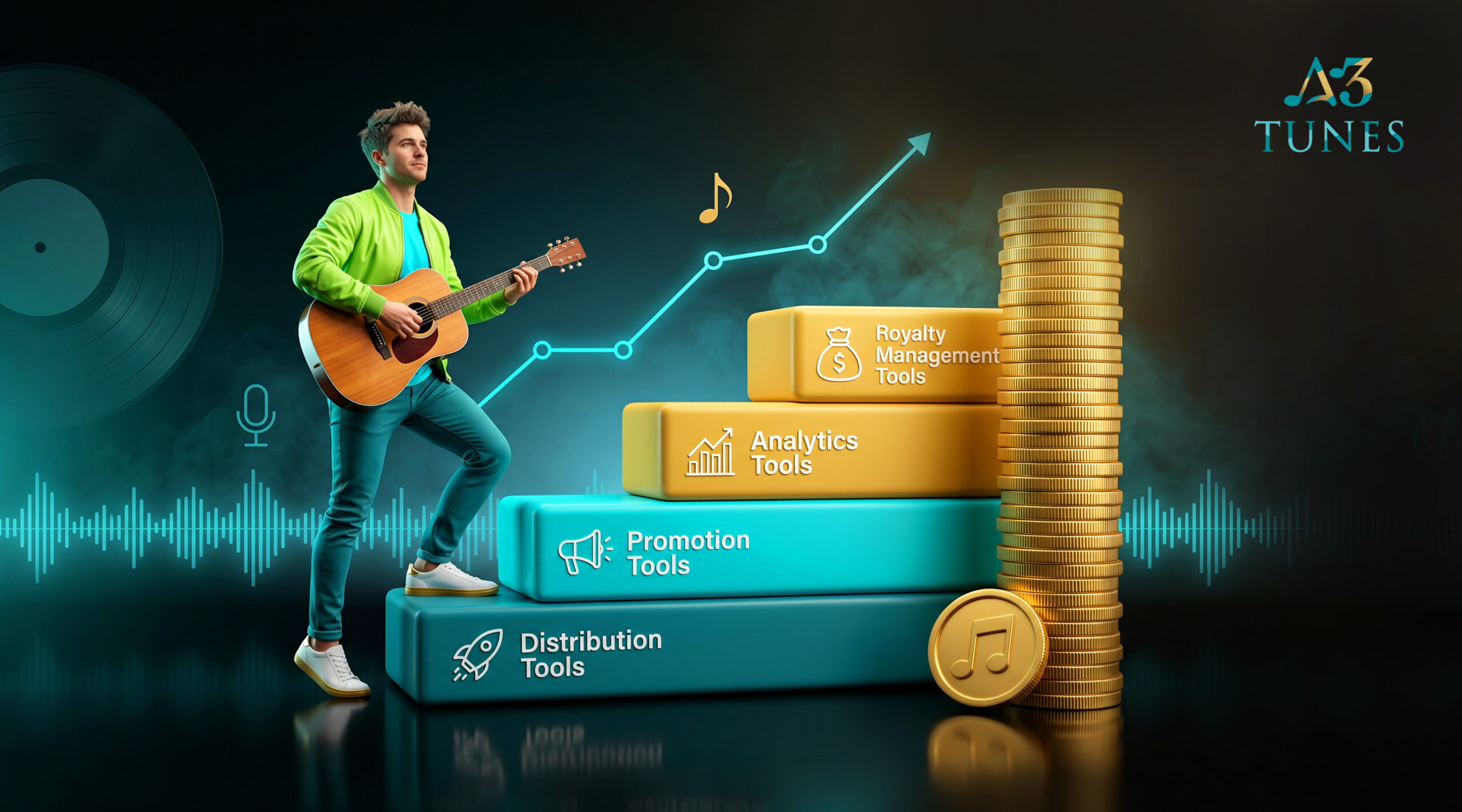
  • Music Career Growth Tools for Independent Artists

    Music Career Growth Tools for Independent Artists

    Building a sustainable path as an independent artist often starts with a moment of clarity rather than a moment of fame. You might already be releasing music, collaborating with other creatives, or performing live, yet still feel uncertain about whether your efforts are contributing to real progress. This is where understanding how tools shape a Music Career becomes essential. Independent artists today are no longer limited by gatekeepers, but they are expected to manage creative, technical, and strategic responsibilities on their own. Knowing which tools support growth, organization, and visibility can determine whether your work gains momentum or remains scattered across platforms.

    This blog is designed to provide structured, practical insight into the tools that actively support long-term artist development. Rather than offering shortcuts or hype-driven tactics, it explains how different categories of tools contribute to audience growth, music distribution, branding, analytics, and monetization. Each section breaks down what to know before choosing tools and how to evaluate them based on your goals. If you are serious about building a scalable Music Career with clarity and control, exploring platforms like A3Tunes can help centralize and simplify this journey while supporting informed decision-making.

    Key Factors to Understand Before Choosing Music Career Tools

    Before investing time or money into any platform, independent artists must understand the foundational elements that influence tool effectiveness. Not every tool is suitable for every stage of growth, and misalignment often leads to wasted resources and inconsistent results. This section outlines the most important considerations that shape how tools should be selected and implemented. Each factor below helps artists align tools with realistic goals, creative direction, and audience-building strategies rather than trends or external pressure.

    Career Stage and Artist Goals Alignment

    Understanding your current stage as an artist is essential before selecting growth tools. An early-stage artist focused on releasing their first tracks will have different requirements than someone managing an established catalog and fanbase. Tools designed for advanced analytics or large-scale monetization may add unnecessary complexity if foundational elements are not yet in place. Aligning tools with your career stage ensures that your workflow remains manageable and that each platform contributes directly to progress rather than distraction.

    Clear goals also prevent misuse of otherwise powerful platforms. If your priority is audience discovery, tools centered on distribution reach and social amplification will matter more than deep royalty reporting. Artists who define their objectives clearly are better equipped to evaluate whether a tool supports visibility, engagement, or revenue growth. This alignment creates a more focused Music Career strategy that evolves naturally as your goals expand.

    Budget Planning and Resource Allocation

    Independent artists often operate with limited budgets, making financial planning a critical part of tool selection. Many platforms offer tiered pricing, subscriptions, or commission-based models that can quietly add up over time. Understanding your monthly or annual budget allows you to compare tools realistically and avoid overcommitting to features you may not yet need. Sustainable growth comes from consistent investment rather than short-term spending spikes.

    Resource allocation is not only about money but also time and energy. Some tools require active management, learning curves, or frequent updates to remain effective. Choosing fewer, well-aligned tools often delivers better results than spreading attention across multiple platforms. Strategic budgeting supports a balanced Music Career by ensuring that financial decisions reinforce creative output rather than restrict it.

    Platform Integration and Workflow Efficiency

    Efficiency becomes increasingly important as your music output and audience interactions grow. Tools that integrate well with each other reduce repetitive tasks and minimize errors across distribution, marketing, and analytics. Artists who rely on disconnected platforms often struggle with inconsistent data, missed opportunities, or duplicated efforts. Integration supports smoother workflows and better decision-making over time.

    Workflow efficiency also affects creative momentum. When tools simplify uploads, reporting, or promotional tasks, artists can focus more on music creation and collaboration. Platforms that centralize multiple functions reduce the cognitive load associated with managing a Music Career independently. This operational clarity is often underestimated but plays a major role in long-term sustainability.

    Data Ownership and Transparency

    Data transparency is a crucial but often overlooked factor when choosing music tools. Artists should understand who owns their data, how it can be accessed, and whether it can be exported if they change platforms. Transparent reporting builds trust and enables artists to analyze performance trends across releases and campaigns. Without reliable data access, growth decisions become speculative rather than informed.

    Ownership also extends to rights, royalties, and audience information. Tools that provide clear documentation and reporting help artists maintain control over their work and earnings. This clarity supports smarter planning and protects the long-term value of your catalog. A Music Career built on transparent systems is easier to scale and adapt.

    Long-Term Scalability and Support

    Choosing tools that support future growth prevents the need for constant platform changes. Scalability includes handling increased releases, higher streaming volumes, larger audiences, and more complex revenue streams. Tools that grow with you reduce friction and preserve historical data. This continuity is essential for artists aiming to build a lasting presence rather than short-term visibility.

    Support and education resources also matter. Platforms that offer guidance, documentation, or responsive assistance help artists navigate challenges more effectively. Long-term scalability is not just technical but also educational. Strong support systems reinforce confidence and stability throughout your Music Career journey.

    Distribution Tools That Expand Reach and Accessibility

    Music distribution tools form the foundation of digital presence for independent artists. These platforms handle the delivery of music to streaming services and digital stores while managing metadata, rights, and availability. Choosing the right distribution approach ensures that your music reaches listeners consistently and professionally across global platforms.

    Distribution tools also influence release strategy and discoverability. Beyond uploading tracks, they support scheduling, regional targeting, and catalog management. Understanding how these tools function allows artists to release music strategically rather than reactively.

    Marketing and Promotion Tools for Audience Growth

    Marketing tools help artists communicate with listeners and extend the lifespan of each release. These platforms support email campaigns, social media scheduling, fan engagement, and content tracking. Consistent promotion builds familiarity and trust with audiences over time.

    Effective marketing tools allow artists to test messaging, analyze engagement, and refine outreach strategies. When used intentionally, they transform promotion from guesswork into a repeatable process that supports steady Music Career growth.

    Analytics and Performance Tracking Tools

    Analytics tools provide insight into listener behavior, geographic trends, and platform performance. This data helps artists understand what resonates with audiences and where opportunities exist. Without analytics, growth decisions rely on assumptions rather than evidence.

    Performance tracking also supports long-term planning. Artists can identify successful release patterns, optimize promotional timing, and allocate resources more effectively. Data-driven decisions create stability and confidence in an independent Music Career.

    Monetization and Revenue Management Tools

    Monetization tools help artists convert engagement into sustainable income. These platforms manage royalties, licensing opportunities, direct-to-fan sales, and alternative revenue streams. Diversified income reduces dependency on any single platform or metric.

    Revenue management also improves financial transparency. Clear reporting and payout tracking enable artists to plan investments and measure return accurately. Strong monetization systems reinforce long-term career viability.

    Branding and Artist Identity Tools

    Branding tools support visual consistency, messaging, and public perception. From press kits to website builders, these platforms help artists present a cohesive identity. Consistent branding strengthens recognition and professional credibility.

    An intentional brand supports collaboration, media opportunities, and audience trust. Tools that simplify brand management help artists maintain clarity across platforms while focusing on creative development.

    Why Choose A3Tunes for Music Career Growth

    A3Tunes offers independent artists a centralized ecosystem designed to simplify and support long-term development. By combining distribution, analytics, and growth-focused resources, the platform reduces fragmentation and operational stress. Artists benefit from clarity, transparency, and scalable solutions aligned with real-world career stages.

    What sets A3Tunes apart is its focus on informed decision-making rather than quick wins. The platform supports artists who want structure, insight, and control over their creative output and earnings. For those committed to building a sustainable Music Career, A3Tunes provides tools that evolve alongside ambition.

    Conclusion

    Independent artists succeed when creativity is supported by structure and informed choices. Growth tools are not shortcuts but frameworks that organize effort, amplify reach, and clarify progress. By understanding how different categories of tools contribute to development, artists can build strategies that reflect their goals rather than external pressure.

    A sustainable Music Career requires patience, adaptability, and the right support systems. When tools are chosen with intention and aligned with long-term vision, they become assets rather than obligations. Platforms like A3Tunes help artists move forward with confidence, clarity, and control over their creative future.


  • Music Rights Explained: Copyrights Every Artist Should Know

    Music Rights Explained: Copyrights Every Artist Should Know

    Understanding how creativity turns into protected value is a concern shared by every artist who writes, composes, records, or distributes music. From independent musicians releasing their first single to established artists managing large catalogs, questions around ownership, usage, and long-term control naturally arise. This curiosity usually begins when an artist uploads music to a platform, collaborates with another creator, or signs an agreement that mentions royalties, licenses, or rights. At that point, music rights stop being abstract legal terms and become directly connected to income, recognition, and creative freedom. Having clear knowledge of music rights helps artists approach opportunities with confidence rather than uncertainty.

    This blog is designed to clearly explain the different types of music rights, how they function, and why they matter at each stage of an artist’s journey. You will learn about copyrights, ownership structures, publishing, and performance-related rights in a structured, easy-to-follow format. The goal is to give you clarity before you release, distribute, or monetize your work. As you move through each section, you will also understand how professional services like A3Tunes support artists in managing, protecting, and monetizing their music rights efficiently. If you want to take informed control of your creative assets, exploring expert support at a3tunes.com can be a practical next step.

    Foundational Concepts Every Artist Must Understand About Music Rights

    Before diving into specific types of rights and revenue streams, it is important to understand the foundational concepts that govern how music ownership works. Music rights are not a single entity; they are a collection of legal protections applied to different aspects of a musical work. These protections define who owns what, who can earn from it, and how permissions are granted. Many artists assume that creating music automatically gives them full control forever, but real-world scenarios often involve shared ownership, contracts, and platform-specific rules. This section establishes the basic framework artists need before exploring detailed rights categories.

    Copyright as the Legal Backbone of Music Rights

    Copyright forms the legal foundation of all music rights and exists the moment an original musical work is created and fixed in a tangible form. This includes writing lyrics on paper, recording a demo, or producing a final master track. Copyright law protects the creator from unauthorized copying, distribution, or public use of their work. For artists, understanding this protection is essential because it determines how ownership is established and enforced. Without copyright, there would be no structured way to claim revenue or control how music is used across platforms.

    Beyond basic protection, copyright also allows creators to license their work while retaining ownership. This means artists can permit others to use their music under specific terms without giving up full control. Copyright duration typically extends for decades, making it a long-term asset rather than a short-term benefit. Artists who understand copyright early are better equipped to register their works properly, avoid disputes, and ensure that their creative output remains legally protected throughout their career.

    Difference Between Musical Composition and Sound Recording

    One of the most misunderstood aspects of music rights is the distinction between musical composition and sound recording. The musical composition refers to the underlying song, including melody, harmony, and lyrics. The sound recording, often called the master, refers to a specific recorded version of that composition. These two elements are protected separately under copyright law and can be owned by different parties.

    For example, a songwriter may own the composition while a record label owns the master recording. Each generates its own revenue streams and licensing requirements. Understanding this distinction helps artists make informed decisions when signing agreements or collaborating. It also clarifies why multiple permissions are often required for a single use of music, such as synchronization in films or commercials.

    Ownership Structures and Shared Rights in Music

    Music creation is often collaborative, involving songwriters, producers, performers, and labels. As a result, ownership structures can be shared rather than singular. Each contributor may hold a percentage of the rights, depending on their role and contractual agreements. These shared rights determine how royalties are split and how decisions are made regarding licensing or distribution.

    Clear ownership documentation is essential to prevent conflicts and ensure accurate royalty payments. Artists who fail to define ownership early may face disputes later, especially when music gains popularity. Understanding shared rights encourages transparency and fair collaboration, helping artists protect relationships while securing their financial interests.

    Territorial Nature of Music Rights and Global Usage

    Music rights operate within legal frameworks that vary by country, making them territorial in nature. This means rights enforcement, royalty collection, and licensing rules differ across regions. For artists distributing music globally, this complexity can become challenging without proper management.

    Understanding territorial rights helps artists ensure their music is protected and monetized worldwide. It also highlights the importance of working with distributors and rights management services that have global reach. Proper territorial management ensures that usage in one region does not go unpaid or unprotected in another.

    Role of Registration and Documentation in Rights Protection

    While copyright exists automatically, registration with official authorities strengthens legal protection. Registration provides public record evidence of ownership and is often required to pursue legal action against infringement. Documentation such as split sheets, contracts, and licensing agreements further supports ownership claims.

    Artists who maintain organized records of their works are better positioned to manage their catalogs professionally. Proper documentation also simplifies royalty collection and licensing negotiations. Treating music as intellectual property rather than just creative output allows artists to build sustainable, long-term value.

    Types of Music Rights Every Artist Should Know

    Once the foundational concepts are clear, it becomes easier to explore the specific categories of music rights. Each type of right serves a distinct purpose and generates income in different ways. Understanding these rights helps artists identify where revenue comes from and how to protect each stream. This section breaks down the most important music rights artists encounter throughout their careers.

    Mechanical Rights and Music Distribution Revenue

    • Mechanical rights relate to the reproduction and distribution of a musical composition. This includes physical formats like CDs and vinyl, as well as digital downloads and streams. Whenever a song is reproduced, mechanical royalties are generated for the rights holders of the composition.
    • For artists, mechanical rights are especially relevant in the streaming era, where millions of reproductions occur daily. Understanding how mechanical royalties are calculated and collected helps artists ensure they are paid accurately. Proper registration with collection societies or rights administrators is key to capturing this revenue consistently.

    Performance Rights and Public Usage of Music

    • Performance rights apply when music is played publicly, whether on radio, television, live venues, or digital platforms. These rights generate performance royalties, which are collected by performing rights organizations on behalf of composers and publishers.
    • Artists benefit from performance rights whenever their music reaches audiences beyond private listening. This includes background music in restaurants or live performances at events. Understanding performance rights ensures artists do not overlook a significant income source tied to public exposure.

    Synchronization Rights for Visual Media

    • Synchronization rights, often called sync rights, allow music to be used alongside visual media such as films, advertisements, video games, and online content. These rights apply to both the composition and the sound recording, requiring permissions from multiple rights holders.
    • Sync licensing can be highly lucrative and also increases an artist’s visibility. Artists who understand sync rights are better prepared to negotiate fair fees and maintain control over how their music aligns with visual narratives. Proper rights management makes sync opportunities more accessible and less complex.

    Master Rights and Control Over Recordings

    • Master rights relate specifically to the ownership of sound recordings. Whoever owns the master controls how that recording is used, licensed, or monetized. This includes streaming, downloads, and licensing for media use.
    • Artists who retain master ownership maintain greater control and long-term earning potential. Understanding master rights helps artists evaluate record deals and distribution agreements carefully. Retaining or reclaiming masters can significantly impact an artist’s financial independence.

    Publishing Rights and Songwriter Income

    • Publishing rights are tied to the ownership and administration of musical compositions. These rights generate income through mechanical and performance royalties, as well as sync licensing. Songwriters often work with publishers to manage these rights effectively.
    • For independent artists who write their own music, understanding publishing rights is essential. Proper publishing administration ensures songs are registered correctly and royalties are collected globally. This transforms songwriting into a structured, monetizable asset.

    Why Managing Music Rights Professionally Matters

    Knowing about music rights is only the first step; managing them correctly is what turns knowledge into value. Professional rights management ensures that every usage of music is tracked, licensed, and monetized. Without proper systems, artists risk losing income and control. This section explains why structured management is essential for sustainable growth.

    Avoiding Revenue Loss Through Proper Administration

    • Unregistered or poorly managed rights often result in unclaimed royalties. Music can be streamed, performed, or licensed without generating income if rights are not properly administered. This loss compounds over time, especially for artists with growing catalogs.
    • Professional administration ensures that every use of music is accounted for. It also simplifies royalty tracking across multiple platforms and territories. Artists who prioritize administration protect their earnings and reduce financial uncertainty.

    Protecting Creative Control and Brand Identity

    • Music rights are closely tied to how an artist’s work is perceived and used. Poor rights management can lead to unauthorized usage that conflicts with an artist’s values or brand. Maintaining control over licensing decisions helps preserve artistic integrity.
    • Artists who manage rights proactively can choose where and how their music appears. This selective approach strengthens brand identity and long-term positioning. Rights management is therefore both a financial and creative safeguard.

    Preparing for Collaborations and Business Growth

    • As artists collaborate and expand, rights structures become more complex. Clear management systems make collaborations smoother and reduce disputes. This clarity also makes artists more attractive to partners, labels, and investors.
    • Proper rights management lays the groundwork for scaling a music career. It allows artists to focus on creation while professionals handle legal and administrative details. Growth becomes structured rather than chaotic.

    Why Choose A3Tunes for Music Rights Management

    Managing music rights independently can be overwhelming, especially as catalogs grow and revenue streams multiply. A3Tunes provides artists with professional support designed to simplify rights management and maximize earnings. Their services focus on transparency, efficiency, and long-term value creation.

    A3Tunes helps artists register, administer, and monetize their music rights across global platforms. By handling technical and legal complexities, they allow artists to concentrate on creativity. Choosing a specialized service ensures that no revenue opportunity is missed and that rights remain protected at every stage.

    Conclusion: Building a Sustainable Career Through Music Rights Knowledge

    Understanding music rights is not just about legal compliance; it is about building a sustainable creative career. Artists who invest time in learning about copyrights, ownership structures, and revenue streams gain long-term control over their work. This knowledge empowers better decisions, fair collaborations, and consistent income.

    By combining education with professional management, artists can fully unlock the value of their music. Services like A3Tunes bridge the gap between creativity and business, ensuring that rights are protected and monetized effectively. With the right approach, music rights become a foundation for lasting success rather than a source of confusion.


  • Music Marketing Guide for Independent Artists

    Music Marketing Guide for Independent Artists

    Independent artists often reach a stage where the quality of their music feels ready for a wider audience, yet growth remains slower than expected. This is usually the moment when questions about visibility, reach, and positioning begin to surface. Music marketing becomes the connecting bridge between creative output and listener discovery, helping artists translate talent into tangible attention. Without a structured approach, even strong releases can remain unheard, not because they lack value, but because they never reach the right listeners at the right time. Understanding how audiences discover music, interact with artists, and build loyalty is essential for anyone aiming to move beyond casual uploads and toward sustainable artistic momentum.

    This guide is designed to provide a clear, structured understanding of music marketing for independent artists who want reliable growth rather than short-lived spikes. The sections below break down the essential concepts, strategies, and channels that shape modern artist promotion, while keeping the focus on clarity and practicality. You will explore what to prepare before promoting music, the most effective marketing methods available today, and how professional support can simplify the process. If your goal is to create a repeatable system for releases, audience engagement, and brand building, this blog will give you a solid foundation and a clear direction to move forward.

    Key Things to Understand Before Starting Music Marketing

    Before applying promotional tactics, it is important to understand the foundational elements that influence how marketing performs. Music marketing is not a single action but a combination of planning, positioning, and consistent execution. Artists who skip this preparation often struggle with unclear messaging, inconsistent results, and wasted budgets. This section highlights the core factors that shape successful campaigns and explains why understanding them early leads to better long-term outcomes.

    Understanding Your Target Audience and Listener Behavior

    Knowing who your listeners are is central to effective artist promotion. Audience research goes beyond age or location and focuses on listening habits, preferred platforms, and emotional connection to music. When artists understand how listeners discover new tracks, whether through playlists, social media clips, or recommendations, they can align their marketing decisions accordingly. This clarity ensures that promotional efforts are focused on platforms where engagement is naturally higher.

    Listener behavior also influences content timing, messaging, and release strategies. Some audiences respond strongly to behind-the-scenes content, while others prefer polished visuals or storytelling around releases. By studying how fans interact with similar artists, independent musicians can refine their approach and avoid generic promotion. A defined audience profile makes every marketing decision more intentional and measurable.

    Importance of Branding and Artist Identity

    Branding in music is not limited to logos or visuals; it represents the overall perception listeners form about an artist. This includes sound, storytelling, visual aesthetics, and communication style. A strong artist identity helps audiences recognize and remember your work across platforms, creating consistency that supports long-term growth. Without clear branding, marketing efforts often feel fragmented and less impactful.

    Artist identity also influences how music is positioned in competitive spaces. When branding aligns with genre expectations while offering something distinct, it becomes easier for listeners to connect emotionally. Consistent branding builds trust and familiarity, which are critical factors in turning casual listeners into long-term fans. Marketing becomes more effective when the artist’s identity is clearly defined and communicated.

    Setting Clear Goals and Measurable Outcomes

    Successful marketing starts with clearly defined objectives. Some artists aim to increase streaming numbers, while others prioritize fan engagement, playlist placements, or live show attendance. Each goal requires a different strategy, budget allocation, and performance metric. Without clarity, campaigns can feel busy but unproductive, making it difficult to evaluate success.

    Measurable outcomes help artists track progress and adjust strategies over time. Metrics such as follower growth, listener retention, and engagement rates provide insight into what is working. Clear goals also prevent unrealistic expectations by aligning effort with achievable results. Structured planning ensures that music marketing remains purposeful rather than reactive.

    Budget Planning and Resource Allocation

    Marketing does not always require large budgets, but it does require smart allocation of available resources. Independent artists must decide how much to invest in advertising, content creation, and professional services. Understanding cost-to-result ratios helps avoid overspending on channels that deliver minimal returns.

    Resource allocation also includes time and creative energy. Artists who attempt to manage every aspect alone often face burnout. Identifying where professional support or automation can improve efficiency allows musicians to focus more on creativity while maintaining consistent promotion. Balanced budgeting supports sustainable marketing efforts.

    Timing Releases and Campaign Execution

    Timing plays a significant role in how music is received. Release schedules, promotional buildup, and post-launch engagement all influence performance. Artists who plan campaigns around audience activity patterns and platform algorithms often achieve better reach and engagement.

    Strategic timing also reduces competition and listener fatigue. Coordinated campaigns ensure that promotional content feels intentional rather than rushed. Understanding timing helps artists maintain momentum across multiple releases instead of relying on one-off promotions.

    Core Music Marketing Strategies for Independent Artists

    Once the foundational elements are clear, artists can focus on specific marketing strategies that drive discovery and engagement. These approaches work best when combined into a cohesive plan rather than used in isolation. The following sections outline key methods that independent artists can apply consistently to build visibility and audience connection.

    Social Media Marketing for Artist Growth

    • Social media platforms play a central role in artist discovery and fan interaction. Consistent posting, authentic engagement, and platform-specific content formats help artists remain visible. Short-form videos, storytelling captions, and interactive features allow musicians to connect with listeners beyond just sharing music links.
    • Effective social media marketing focuses on value rather than constant promotion. By sharing creative processes, personal insights, and audience-driven content, artists create stronger relationships with fans. Over time, these connections translate into higher engagement and organic reach, supporting long-term growth.

    Streaming Platform Optimization and Playlist Strategy

    • Streaming platforms are essential distribution channels, but success depends on optimization. Artist profiles, metadata, and release strategies influence algorithmic discovery. Well-prepared releases increase the chances of being recommended to new listeners through automated systems.
    • Playlist strategies further enhance reach by placing music in front of relevant audiences. Understanding how editorial and user-generated playlists function allows artists to position their tracks effectively. Consistent optimization helps maintain visibility beyond initial release periods.

    Content Marketing and Storytelling

    • Content marketing allows artists to shape narratives around their music. Blog posts, videos, and behind-the-scenes content provide context that deepens listener connection. Storytelling transforms songs into experiences, making them more memorable.
    • Strategic content planning ensures that each piece supports overall branding and release goals. When storytelling aligns with audience interests, marketing feels engaging rather than promotional. This approach strengthens loyalty and encourages sharing.

    Email Marketing and Direct Fan Communication

    • Email marketing remains a reliable channel for direct communication. Unlike social platforms, email lists are not affected by algorithm changes. Artists can use newsletters to announce releases, share exclusive content, and maintain consistent engagement.
    • Building an email list takes time, but it creates long-term value. Personalized communication fosters deeper relationships and encourages repeat listening. Email marketing supports stability in promotional efforts.

    Paid Advertising and Campaign Scaling

    • Paid advertising helps amplify reach when used strategically. Targeted ads on social and streaming platforms allow artists to reach listeners with similar interests. Testing different creatives and audience segments improves performance over time.
    • Scaling campaigns gradually ensures budgets are used efficiently. Data-driven adjustments prevent unnecessary spending and improve results. Paid strategies work best when combined with strong organic content and clear goals.

    Why Independent Artists Choose A3Tunes for Music Marketing

    Professional support can simplify complex marketing processes. A3Tunes offers structured music marketing services designed specifically for independent artists. By combining industry expertise with data-driven strategies, the platform helps artists navigate promotion with clarity and confidence.

    A3Tunes focuses on tailored solutions rather than generic campaigns. Services are aligned with artist goals, genre positioning, and growth stage. This personalized approach allows musicians to focus on creativity while experienced professionals manage promotion, optimization, and campaign execution.

    Conclusion

    Music marketing is an ongoing process that blends creativity, strategy, and consistency. Independent artists who invest time in understanding their audience, branding, and promotional channels are better equipped to achieve sustainable growth. Rather than relying on isolated tactics, a structured approach ensures that each release builds momentum and strengthens audience connection.

    With the right preparation and support, marketing becomes a manageable extension of the creative journey. By applying the principles outlined in this guide and leveraging professional services when needed, artists can position their music for meaningful discovery and long-term success.


  • How to Sell Music Online and Reach More Fans

    How to Sell Music Online and Reach More Fans

    Creating music is often driven by passion, discipline, and a deep desire to express ideas that resonate with listeners. However, once a track is finished, mixed, and mastered, many artists pause at the same question: what comes next? Releasing music without a clear distribution and monetization strategy can feel like throwing songs into a crowded space and hoping the right people find them. This uncertainty leads many creators to actively search for how to sell music online in a way that feels professional, sustainable, and aligned with their long-term goals as artists or labels.

    This blog is built to guide you through the complete ecosystem of selling music online, from understanding the platforms available to setting up the right pricing, distribution, and fan engagement strategies. You will gain structured insights into what you need to prepare before releasing music, followed by clear information on the most effective methods and platforms to sell and distribute your tracks globally. By the end, you will also understand how platforms like A3Tunes can support your journey and simplify the process of reaching more fans while keeping control over your music career.

    Key Things to Understand Before You Sell Music Online

    Before uploading your tracks to any platform, it is important to understand the foundational elements that directly impact your success. Selling music online is not only about availability; it is about preparation, rights management, branding, and choosing the right channels. This section highlights the critical factors every artist or label should understand before moving forward, ensuring that your music is positioned correctly from day one. Each of the following aspects plays a role in how your music is discovered, purchased, streamed, and monetized over time.

    Music Ownership and Distribution Rights

    Understanding music ownership is essential before you begin distributing or selling tracks online. Artists must clearly define who owns the master recordings and publishing rights, as these determine where and how music can be sold. If ownership is unclear, artists may face takedowns, payment disputes, or restrictions on certain platforms. Clear rights ownership ensures you maintain control over licensing, monetization, and future opportunities such as sync placements or collaborations.

    In addition, distribution rights influence which platforms you can access and under what terms. Some services require exclusive rights, while others allow non-exclusive distribution. Knowing the difference helps you avoid conflicts and choose platforms that align with your goals. Proper rights management also builds trust with distributors and ensures accurate royalty payments, making it a foundational step when learning how to sell music online professionally.

    Audio Quality and File Preparation Standards

    High-quality audio is non-negotiable when selling music online. Most platforms have strict technical requirements regarding file formats, sample rates, and bit depth. Submitting poor-quality or incorrectly formatted files can lead to rejection or negatively affect how your music sounds to listeners. Preparing your files correctly ensures consistency across platforms and protects the integrity of your work.

    Beyond technical compliance, audio quality reflects professionalism. Fans who purchase or stream your music expect clarity, balance, and polish. Investing time in proper mastering and exporting files according to platform guidelines increases listener satisfaction and credibility. This preparation step directly impacts repeat listens and long-term fan trust, both of which are crucial for sustainable online music sales.

    Artist Branding and Online Identity

    Your music does not exist in isolation; it is experienced alongside your artist identity. Branding includes your artist name, visuals, biography, and messaging across platforms. Consistent branding helps listeners recognize you instantly, whether they discover your music on a streaming service or a social platform. Without a clear identity, it becomes harder to stand out or build a loyal audience.

    An effective brand also supports discoverability and marketing. Search results, playlists, and recommendations often rely on clear metadata and visual consistency. Taking time to refine your branding before release ensures that your music is presented cohesively. This strategic approach strengthens your presence and plays a key role in successfully learning how to sell music online in a crowded marketplace.

    Pricing Strategy and Monetization Goals

    Setting the right price for your music requires balancing accessibility and value. Some artists aim for maximum reach through low-cost downloads or streaming, while others focus on premium pricing for exclusive releases. Defining your monetization goals early helps you choose platforms and pricing models that support your strategy rather than working against it.

    Pricing also communicates value to your audience. Free or low-cost releases can attract new listeners, while paid albums and bundles can reward loyal fans. Understanding your audience demographics and purchasing behavior allows you to price music effectively. A thoughtful pricing strategy ensures that selling music online contributes meaningfully to your overall income and career growth.

    Audience Targeting and Platform Alignment

    Not every platform serves the same type of audience. Some are ideal for independent artists, while others favor mainstream or genre-specific releases. Understanding where your target listeners spend time online helps you prioritize the right platforms for distribution and sales. This alignment increases the chances of engagement, streams, and purchases.

    Audience targeting also influences marketing decisions. Knowing your listeners’ age, location, and listening habits allows you to tailor promotions effectively. By aligning your music with platforms that match your audience profile, you reduce wasted effort and improve results. This clarity is a major advantage when deciding how to sell music online strategically rather than randomly.

    Best Ways to Sell Music Online Effectively

    Once the groundwork is in place, the next step is choosing the right methods to sell and distribute your music. There are multiple approaches available, each offering different levels of control, reach, and monetization. This section outlines the most effective ways artists and labels sell music online today, helping you understand how each option fits into a broader release strategy.

    Selling Music Through Digital Distribution Platforms

    Digital distribution platforms allow artists to place their music on major streaming services and online stores worldwide. These platforms handle technical delivery, reporting, and royalty collection, making them an efficient option for independent creators. Using a distributor simplifies the process of reaching global audiences without needing individual agreements with each store.

    However, not all distributors offer the same features or transparency. Some focus on volume, while others prioritize artist support and control. Choosing the right distribution partner ensures accurate payouts, detailed analytics, and flexibility in managing releases. For artists learning how to sell music online at scale, digital distribution remains a foundational strategy.

    Selling Music Directly to Fans

    Direct-to-fan sales give artists full control over pricing, data, and customer relationships. By selling music through personal websites or dedicated storefronts, artists can offer exclusive content, bundles, and limited releases. This approach strengthens fan loyalty and increases per-sale revenue.

    While direct sales require more effort in marketing and fulfillment, they provide valuable insights into listener behavior. Owning customer data allows artists to communicate directly with fans and build long-term relationships. For many creators, direct sales complement distribution platforms and create a more sustainable income model.

    Monetizing Music Through Streaming Services

    Streaming has become a dominant way listeners consume music. Although per-stream payouts are lower than direct sales, streaming offers massive reach and discovery opportunities. Being present on major streaming platforms increases visibility and helps artists attract new fans organically.

    Effective streaming monetization relies on consistent releases, playlist placement, and audience engagement. Artists who understand streaming algorithms and listener behavior can use these platforms as powerful promotional tools. When integrated into a broader strategy, streaming supports long-term growth while contributing to overall revenue.

    Using Social Media and Content Platforms

    Social media platforms play a significant role in driving music sales and streams. Short-form content, behind-the-scenes videos, and live sessions help artists connect authentically with audiences. These platforms act as discovery engines that funnel listeners toward purchase or streaming links.

    Consistency and authenticity are key to success on social platforms. Rather than constant promotion, artists who share meaningful content build trust and interest over time. Social media does not replace selling platforms, but it amplifies their effectiveness when learning how to sell music online.

    Offering Licensing and Sync Opportunities

    Licensing music for films, advertisements, games, and online content provides an additional revenue stream. Sync opportunities often pay higher fees and introduce music to new audiences. Preparing your catalog for licensing increases its commercial value beyond traditional sales.

    To succeed in licensing, music must be properly tagged, owned, and cleared. Working with platforms or agencies that specialize in sync placements simplifies the process. Licensing complements online sales by diversifying income and extending the lifespan of your music.

    Why Choose A3Tunes to Sell Your Music Online

    A3Tunes offers a streamlined solution for artists and labels looking to distribute and monetize their music efficiently. The platform focuses on transparency, control, and global reach, making it easier to manage releases without unnecessary complexity. Artists can distribute music to multiple platforms while retaining ownership and flexibility.

    Beyond distribution, A3Tunes supports creators with tools that simplify reporting, payouts, and release management. This allows artists to focus more on creating music and less on administrative tasks. For anyone serious about learning how to sell music online professionally, A3Tunes provides a reliable and artist-friendly ecosystem.

    Conclusion

    Selling music online is no longer a single-step process but a combination of preparation, platform selection, and audience engagement. Artists who take time to understand rights, quality standards, branding, and monetization options position themselves for long-term success rather than short-term exposure. Each method discussed in this blog plays a unique role in building a balanced and sustainable music career.

    By using the right tools and partners, artists can simplify the journey and focus on what matters most: creating meaningful music and connecting with listeners. Platforms like A3Tunes help bridge the gap between creativity and commerce, making it easier to reach fans worldwide. With the right strategy in place, selling music online becomes a powerful extension of your artistic vision rather than an overwhelming challenge.


  • Songwriting Guide: How to Write Songs That Connect

    Songwriting Guide: How to Write Songs That Connect

    Writing a song often begins with a feeling that refuses to stay quiet. It might surface during a late-night drive, a casual conversation, or a moment of personal reflection that feels too meaningful to ignore. Many musicians experience this spark but struggle to translate it into something listeners truly connect with. You may have a melody that feels right or a lyric that sounds clever, yet the song as a whole does not leave a lasting impact. This disconnect is common and does not reflect a lack of creativity. Instead, it highlights the complexity of writing song material that resonates beyond the writer’s own experience and emotions.

    This guide is designed to break down the process of songwriting into clear, practical components that help your music feel relatable, intentional, and memorable. You will explore how ideas form, how structure shapes emotion, and how lyrics and melodies work together to communicate meaning. The focus is not on rigid rules but on informed choices that strengthen your creative decisions. If you are serious about writing song compositions that connect with real audiences, this guide will give you the clarity and direction needed to move forward with confidence. For artists ready to refine their craft further, professional support from A3Tunes can help elevate your songs to a release-ready level.

    Key Foundations to Understand Before Writing Song Lyrics

    Before diving into the mechanics of songwriting, it is essential to understand the foundational elements that influence how a song is received. These fundamentals shape listener perception long before production quality or marketing comes into play. From emotional intent to musical structure, these factors guide how your song communicates its message. Understanding them early allows you to make deliberate creative choices rather than relying on instinct alone. This section outlines the critical concepts every songwriter should internalize before moving deeper into the writing process.

    Emotional Intent and Listener Perspective

    • Every effective song begins with emotional intent. This does not mean forcing a feeling into your writing, but clearly understanding what you want the listener to experience. Whether it is comfort, excitement, nostalgia, or tension, the emotional direction of a song influences every creative decision that follows. When writing song lyrics, focusing on how a listener might interpret your words helps you move beyond self-expression into communication. Songs that connect usually reflect shared human experiences rather than isolated personal moments.
    • Considering listener perspective encourages clarity and empathy in your writing. Instead of explaining every detail, you learn to suggest emotions through imagery and tone. This approach allows listeners to see themselves within the song, making the experience more personal for them. Emotional intent acts as a compass, keeping your lyrics and melodies aligned throughout the songwriting process.

    Song Structure and Musical Flow

    • Song structure provides the framework that supports your creative ideas. Verses, choruses, bridges, and pre-choruses each serve a specific purpose in guiding listener attention and emotional progression. Understanding how these sections function helps you maintain interest and coherence. When writing song compositions without a clear structure, even strong ideas can feel scattered or unfinished.
    • Musical flow is equally important, as it determines how smoothly a song moves from one section to another. Thoughtful transitions prevent the listener from feeling disoriented or disconnected. A well-structured song creates a sense of anticipation and release, which strengthens emotional impact. Learning structural principles allows you to experiment confidently while maintaining balance and clarity.

    Melody as a Storytelling Tool

    • Melody is often the most memorable aspect of a song. It carries emotion in ways lyrics alone cannot, shaping how words are perceived and remembered. When writing song melodies, it is important to consider how pitch, rhythm, and repetition support the song’s emotional intent. A strong melody feels natural and engaging, drawing listeners in without overwhelming them.
    • Melodies also contribute to storytelling by emphasizing key lyrical moments. Rising notes can signal hope or tension, while descending phrases may suggest resolution or reflection. By treating melody as a narrative tool, you enhance the expressive power of your song. This approach ensures that your music and lyrics work together rather than competing for attention.

    Authenticity and Artistic Voice

    • Authenticity is what separates memorable songs from generic ones. Listeners are drawn to music that feels honest and intentional, even when the subject matter is simple. Developing an authentic voice requires self-awareness and consistency rather than imitation. When writing song material, it is tempting to follow trends, but lasting connection often comes from originality and sincerity.
    • Your artistic voice emerges through repeated creative choices, including word selection, melodic preferences, and thematic focus. Over time, these elements form a recognizable style that listeners associate with your work. Authenticity builds trust with your audience, encouraging them to invest emotionally in your music.

    Clarity of Message and Theme

    • Every song benefits from a clear central theme. This theme acts as the foundation upon which lyrics and melodies are built. Without clarity, songs can feel confusing or unfocused, making it difficult for listeners to engage. Writing song lyrics with a defined message helps you avoid unnecessary complexity and maintain coherence.
    • Clarity does not require simplicity, but it does require intention. Deciding what your song is truly about allows you to filter ideas and choose the ones that support your message. This discipline strengthens emotional impact and makes your songwriting more effective and accessible.

    Core Elements of Writing Song Lyrics That Resonate

    The heart of songwriting lies in the details that shape listener experience. Lyrics, melody, rhythm, and phrasing all contribute to how a song feels and functions. By examining these elements closely, you can refine your approach and improve consistency across your work. This section explores the essential components that influence whether a song connects or fades into the background.

    Lyric Simplicity and Emotional Precision

    • Effective lyrics often rely on simplicity rather than complexity. Clear language allows emotions to come through without distraction, making the song easier to understand and remember. When writing song lyrics, focusing on emotional precision helps you convey meaning without overexplaining. Each line should serve a purpose, contributing to the overall message.
    • Simplicity does not mean avoiding depth. Instead, it involves choosing words that evoke imagery and feeling efficiently. By refining your language, you create space for listeners to interpret and relate to your song personally. This balance between clarity and openness is key to emotional resonance.

    Imagery and Relatable Storytelling

    • Imagery transforms abstract emotions into tangible experiences. Descriptive details help listeners visualize scenes and connect emotionally with your story. When writing song narratives, incorporating relatable imagery grounds your message in real-world experiences. These details make songs feel lived-in and authentic.
    • Relatable storytelling does not require dramatic events. Everyday moments can carry significant emotional weight when presented thoughtfully. By focusing on universal experiences, you invite listeners to project their own memories and feelings onto the song. This shared space strengthens emotional connection.

    Rhythm, Cadence, and Natural Phrasing

    • The rhythm of your lyrics influences how naturally they fit within the melody. Smooth phrasing enhances flow and makes the song more enjoyable to sing and listen to. Writing song lyrics with attention to cadence ensures that words feel intentional rather than forced.
    • Natural phrasing also improves listener comprehension. When lyrics align with musical accents, they feel intuitive and memorable. This alignment supports emotional delivery and reinforces the song’s message. Practicing rhythmic awareness helps you refine this essential skill.

    Chorus Development and Memorability

    • The chorus is often the emotional and thematic core of a song. It should capture the main idea in a way that feels satisfying and repeatable. Writing song choruses requires balancing familiarity with impact, ensuring they feel strong without becoming predictable.
    • Memorable choruses rely on clear messaging, strong melodic hooks, and emotional clarity. Repetition reinforces meaning, while variation maintains interest. A well-crafted chorus anchors the song, giving listeners something to return to emotionally.

    Editing, Refinement, and Objectivity

    • Songwriting does not end with the first draft. Editing is a crucial step that allows you to evaluate your work objectively. When writing song material, revisiting lyrics and melodies helps identify areas for improvement and clarity.
    • Objective refinement involves questioning every element of the song. Removing unnecessary lines, adjusting phrasing, and refining structure strengthen the final product. This process transforms raw ideas into polished compositions ready for production and performance.

    Why Choose A3Tunes for Professional Song Development

    Creating a strong song is only part of the journey. Professional guidance can help refine your ideas and prepare them for release. A3Tunes offers tailored services that support artists at every stage of songwriting and production. From lyric development to full-scale production, their expertise ensures your music reaches its full potential.

    Working with experienced professionals provides valuable perspective and technical insight. A3Tunes helps bridge the gap between creative vision and industry standards, allowing your songs to stand confidently alongside professional releases. For artists serious about growth, this support can be transformative.

    Conclusion

    Writing songs that connect is a skill developed through intention, practice, and informed decision-making. By understanding emotional intent, structure, melody, and lyrical clarity, you build a strong foundation for meaningful songwriting. Each element plays a role in shaping how listeners experience your music, making thoughtful choices essential.

    As you continue writing song material, remember that connection comes from honesty and clarity rather than perfection. Refining your craft and seeking professional support when needed can accelerate your growth as an artist. With the right approach and guidance, your songs can resonate deeply and leave a lasting impression.


  • Music Career Tips to Succeed in the Modern Industry

    Music Career Tips to Succeed in the Modern Industry

    Building a sustainable path in music often begins with excitement, passion, and creative ambition, but it soon requires structure, awareness, and informed decision-making. Many artists reach a phase where creating songs is no longer the biggest challenge; instead, understanding visibility, monetization, and long-term positioning becomes essential. This is usually the moment when musicians start actively searching for guidance that goes beyond surface-level advice. A successful Music Career depends on how well an artist understands the ecosystem around their work, including audiences, platforms, collaborators, and industry expectations, all while staying authentic to their creative voice.

    This blog provides a detailed, information-based breakdown of practical music career tips that help artists understand available options, tools, and strategies within the industry. Each section focuses on specific elements that contribute to professional growth, clarity, and sustainability. From branding and distribution to promotion and analytics, the insights shared here aim to help musicians make confident, informed decisions. As you explore each section, you will also discover how platforms like A3Tunes can support your journey with structured services designed for artists who want measurable progress and long-term impact.

    Key Factors to Understand Before Building a Music Career

    Before diving into specific strategies, it is important to understand the foundational elements that shape how music careers grow and sustain momentum. These factors influence how your work is perceived, distributed, and monetized. Each element below plays a role in helping artists align creativity with practical execution, ensuring that effort translates into visible progress rather than scattered experimentation.

    Understanding the Music Industry Structure and Roles

    The music industry operates through interconnected roles such as artists, labels, distributors, publishers, promoters, and digital platforms. Understanding how these entities interact helps artists navigate opportunities without confusion or unrealistic expectations. When musicians know who handles what, they can approach collaborations strategically and avoid agreements that do not align with their goals. This clarity reduces dependency on misinformation and empowers artists to negotiate from an informed position rather than uncertainty.

    A clear understanding of industry structure also helps artists decide whether to remain independent or pursue partnerships. Each route offers different levels of control, responsibility, and scalability. Knowing how revenue flows, how rights are managed, and how promotion is executed allows artists to plan realistically. This awareness forms the foundation of a professional music career built on intentional choices rather than guesswork.

    Defining Long-Term Artistic and Professional Goals

    Every sustainable music career starts with clearly defined goals that extend beyond short-term releases. Artists need to decide whether their focus is on touring, streaming revenue, licensing, brand collaborations, or a combination of multiple income streams. Without this clarity, efforts often become scattered, leading to burnout and inconsistent growth. Goal definition provides direction for creative decisions, marketing strategies, and financial planning.

    Long-term goals also help artists measure progress objectively. Instead of relying on vanity metrics, musicians can track achievements that align with their vision, such as audience retention, revenue consistency, or professional collaborations. This structured approach keeps motivation steady and ensures that daily actions contribute to meaningful milestones rather than temporary excitement.

    Recognizing the Importance of Audience Targeting

    Understanding who listens to your music is as important as creating the music itself. Audience targeting allows artists to tailor their sound, messaging, and promotional efforts effectively. When musicians know their listeners’ preferences, demographics, and platforms of engagement, marketing becomes more efficient and impactful. This approach helps reduce wasted effort and increases the likelihood of building loyal fans.

    Targeting also influences branding and content creation. Artists who understand their audience can create visuals, stories, and campaigns that resonate authentically. This connection builds trust and encourages long-term support. Over time, a well-defined audience becomes the backbone of a stable music career, providing consistent engagement and growth opportunities.

    Learning the Basics of Music Rights and Ownership

    Music rights play a crucial role in protecting creative work and generating income. Artists must understand concepts such as copyrights, publishing rights, master ownership, and performance royalties. Without this knowledge, musicians risk losing control over their work or missing out on revenue streams. Basic rights education ensures that artists can make informed decisions when releasing or licensing their music.

    Ownership clarity also impacts future opportunities. Artists who retain or manage their rights effectively have greater flexibility in monetization and collaborations. This understanding reduces reliance on external parties and strengthens long-term sustainability. Rights awareness is not optional; it is a core component of a professional music career.

    Evaluating Time, Budget, and Resource Commitment

    Building a music career requires realistic assessment of time, budget, and available resources. Artists often underestimate the financial and emotional investment needed for promotion, production, and consistency. Evaluating these factors early helps set achievable expectations and prevents frustration. This assessment also encourages smarter allocation of resources rather than impulsive spending.

    When artists understand their limits, they can prioritize actions that deliver the highest impact. This may include investing in professional services, learning essential skills, or outsourcing specific tasks. Resource evaluation ensures steady progress without unnecessary strain, supporting a balanced and sustainable approach to career growth.

    Essential Music Career Tips for Long-Term Success

    The following sections outline practical music career tips that help artists navigate growth with clarity and confidence. Each area focuses on a specific aspect of professional development, offering insights into available strategies and how they contribute to long-term stability.

    Building a Clear and Consistent Artist Brand

    A strong artist brand communicates identity, values, and sound in a way that audiences can easily recognize. Branding goes beyond logos and visuals; it includes tone, messaging, and creative direction. Consistency across platforms helps establish trust and familiarity, making it easier for listeners to connect with your work. A clear brand also supports marketing efforts by creating a cohesive narrative.

    Branding clarity helps artists stand out in a crowded industry. When audiences understand what you represent, they are more likely to engage, share, and support your music. Over time, a strong brand becomes a powerful asset that enhances visibility and professional credibility.

    Choosing the Right Music Distribution Strategy

    Music distribution determines how your work reaches listeners across platforms. Choosing the right strategy involves understanding digital service providers, release schedules, and revenue models. Artists must evaluate options based on control, reach, and support services offered. A well-planned distribution approach ensures that music is accessible while maintaining ownership and transparency.

    Effective distribution also supports data tracking and performance analysis. Artists can monitor listener behavior, geographic reach, and platform engagement. These insights help refine future releases and marketing strategies, contributing to consistent growth and informed decision-making.

    Leveraging Promotion and Marketing Channels

    Promotion plays a key role in turning releases into measurable results. Artists need to explore channels such as social media, playlist pitching, email marketing, and content creation. Each channel serves a specific purpose and audience segment. Strategic promotion ensures that music reaches listeners who are most likely to engage and support.

    Marketing consistency builds momentum over time. Rather than relying on one-off campaigns, artists benefit from sustained efforts that reinforce brand presence. This approach creates familiarity and encourages long-term audience relationships, strengthening overall career stability.

    Understanding Streaming Analytics and Performance Data

    Analytics provide valuable insights into how music performs across platforms. Understanding metrics such as streams, saves, listener retention, and audience demographics helps artists evaluate what works and what needs adjustment. Data-driven decisions reduce guesswork and improve strategic planning.

    Performance analysis also supports smarter investments. Artists can allocate resources toward platforms, regions, or content types that show the highest engagement. Over time, analytics become a guiding tool that supports growth with clarity and efficiency.

    Expanding Income Streams Beyond Streaming

    Relying solely on streaming revenue limits financial sustainability. Artists benefit from exploring additional income streams such as merchandise, licensing, live performances, and brand collaborations. Diversification reduces financial pressure and creates stability during fluctuating performance cycles.

    Multiple revenue streams also enhance creative freedom. When artists are not dependent on a single source, they can experiment and grow without compromising their vision. Financial balance supports long-term career resilience.

    Why Choose A3Tunes for Your Music Career Growth

    A3Tunes offers structured services designed to support artists at every stage of their journey. From music distribution and promotion to analytics and strategic guidance, the platform focuses on clarity, transparency, and measurable results. Artists benefit from tools and support systems that simplify complex processes and reduce uncertainty.

    By choosing A3Tunes, musicians gain access to expertise that aligns creativity with industry standards. The platform supports informed decision-making, helping artists build sustainable careers with confidence and consistency.

    Conclusion

    Building a successful music career requires more than talent and ambition; it demands structure, awareness, and informed choices. By understanding industry fundamentals, defining clear goals, and applying practical strategies, artists can navigate growth with confidence. Each tip shared in this blog highlights options available to musicians who want stability, visibility, and long-term impact.

    With the right tools, guidance, and mindset, artists can transform creative passion into a sustainable professional journey. Platforms like A3Tunes play a crucial role in supporting this process, offering resources that help musicians focus on growth without losing creative authenticity. A well-planned approach ensures that effort leads to meaningful progress and lasting success.


  • How to Sell Music Online and Make Money in 2026

    How to Sell Music Online and Make Money in 2026

    Building a career in music no longer depends on waiting for a record label to notice your work. Independent artists, producers, and even small labels are actively looking for clear, structured ways to distribute and monetize their music without giving up ownership or creative control. Many musicians reach a point where their catalog is ready, their sound is defined, and their audience is slowly growing, yet the revenue does not reflect the effort invested. That moment often leads to a single question: how to sell music online in a way that actually produces consistent income instead of scattered payouts. Understanding this shift is the first step toward turning music into a scalable business rather than a side project.

    This guide explains how to sell music online using proven platforms, distribution methods, and monetization strategies that remain relevant in 2026. It breaks down essential knowledge before publishing, outlines the most effective sales channels, and explains how artists can retain control while expanding reach. The article also highlights how services like A3Tunes support artists with digital distribution, royalty management, and global reach. If your goal is to move from uploading tracks casually to building a structured income stream, this blog provides a complete roadmap and points you toward tools that simplify the process.

    Things You Must Know Before You Start Selling Music Online

    Before choosing platforms or pricing strategies, artists need clarity on the foundational elements that influence long-term earnings. Selling music online is not only about uploads and links; it involves ownership, audience behavior, legal clarity, and realistic revenue expectations. This section explains the core aspects that shape successful online music sales and prepares you to make informed decisions instead of reactive ones.

    Music Ownership and Rights Management for Online Sales

    Understanding ownership is critical before monetizing any track online. Artists must know who owns the master recordings and publishing rights, as this directly affects where and how music can be sold. Independent musicians often own full rights, while collaborations, producers, or previous agreements may complicate ownership. Without clarity, revenue can be delayed or legally disputed. Rights management ensures that when music is sold or streamed, royalties are correctly attributed and collected across platforms.

    From a practical perspective, registering works with the correct rights organizations and maintaining documentation protects artists as their catalog grows. Digital platforms increasingly require proof of ownership before distribution. Artists who invest time in rights management early avoid takedowns, revenue loss, and future conflicts. Clear ownership also enables licensing opportunities, which often generate higher income than direct sales alone.

    Pricing Strategy and Revenue Expectations for Musicians

    Pricing music online requires balancing perceived value with audience accessibility. Setting prices too high can reduce volume, while undervaluing work may limit income and brand positioning. Artists must decide whether they prioritize unit sales, long-term audience growth, or diversified income streams. Digital sales often work best when combined with streaming, licensing, and fan-based monetization.

    Revenue expectations should remain realistic, especially in early stages. Online music income usually grows cumulatively rather than instantly. Artists who treat pricing as a flexible strategy, adjusting based on feedback and performance data, tend to perform better over time. Clear pricing aligned with goals helps artists evaluate whether their approach to selling music online is sustainable or needs adjustment.

    Audience Building and Fan Engagement Basics

    Selling music online works best when an audience already exists or is actively being developed. Listeners are more likely to purchase music from artists they feel connected to. Engagement through social platforms, newsletters, and direct communication builds trust and increases conversion rates. Artists who ignore audience-building often rely solely on algorithms, which creates unstable income patterns.

    Effective fan engagement includes sharing creative processes, stories behind songs, and exclusive content. This builds emotional investment, making fans more willing to support financially. Understanding where your audience spends time online allows you to focus promotional efforts efficiently. Audience growth and music sales are closely connected and should be developed together rather than separately.

    Legal Compliance and Digital Distribution Rules

    Online music sales are governed by platform-specific rules and international regulations. Each distribution service has guidelines regarding content ownership, audio quality, metadata accuracy, and prohibited material. Failure to comply can result in delayed releases or permanent account restrictions. Artists must also consider tax implications when selling internationally.

    Compliance is not about limiting creativity but ensuring smooth operations. Accurate metadata ensures tracks appear correctly in search results and royalty reports. Artists who take time to understand platform requirements reduce administrative issues and maintain consistent revenue flow. Legal clarity also builds credibility with distributors and partners.

    Long-Term Monetization Planning for Artists

    Selling music online should fit into a broader career strategy. Artists benefit from planning beyond single releases and considering how albums, singles, collaborations, and back catalogs interact financially. Long-term planning includes release schedules, promotional cycles, and reinvestment strategies.

    Artists who plan monetization over months or years gain better control over income fluctuations. This approach supports consistent visibility and allows data-driven decisions. Long-term thinking transforms online music sales from unpredictable experiments into structured revenue systems.

    Best Ways to Sell Music Online in 2026

    There is no single method that works for every artist. Successful musicians often combine multiple sales channels to maximize reach and income. The following methods represent the most effective and sustainable ways to sell music online, each offering distinct advantages depending on your goals and audience.

    Selling Music Through Digital Distribution Platforms

    Digital distribution platforms remain one of the most reliable ways to sell music online. They allow artists to place music on major streaming and download stores worldwide without negotiating individual agreements. These platforms handle technical requirements, reporting, and royalty collection.

    Using a distributor ensures global reach while maintaining ownership. Artists benefit from centralized analytics and payment systems, making it easier to track performance. Distribution platforms also simplify updates, takedowns, and catalog management, which becomes increasingly important as releases grow.

    Direct-to-Fan Music Sales via Artist Websites

    Selling music directly through your own website provides maximum control and higher profit margins. Artists can bundle music with exclusive content, merchandise, or experiences. Direct sales also allow access to customer data, which supports long-term marketing strategies.

    This approach requires more effort in driving traffic but builds stronger fan relationships. Artists who invest in website optimization and email marketing often see consistent growth. Direct sales work particularly well for niche audiences and established fan bases.

    Selling Music on Marketplaces and Music Stores

    Online music marketplaces offer exposure to listeners actively searching for new music. These platforms often attract buyers rather than casual listeners, increasing purchase intent. While competition exists, visibility can be improved through proper categorization and branding.

    Marketplaces simplify transactions and handle payment processing. Artists benefit from platform credibility and existing user bases. This method complements distribution and direct sales by reaching different audience segments.

    Licensing Music for Commercial Use Online

    Licensing provides opportunities to earn from film, advertising, games, and online media. Music libraries and licensing platforms connect artists with clients seeking specific sounds. Licensed tracks often generate higher one-time payments or recurring fees.

    Preparing music for licensing requires proper metadata, clear rights, and professional production quality. Artists who diversify into licensing reduce dependence on consumer sales and build more stable income streams.

    Subscription-Based and Membership Models for Musicians

    Subscription models allow fans to support artists on a recurring basis. Monthly memberships often include early access, exclusive releases, or behind-the-scenes content. This model creates predictable income and strengthens community engagement.

    Artists who offer consistent value within memberships maintain long-term supporters. Subscription revenue reduces reliance on algorithms and fluctuating sales. It also encourages deeper fan relationships.

    Why Choose A3Tunes to Sell Music Online

    A3Tunes offers artists a structured and transparent approach to digital music distribution and monetization. The platform supports global distribution, royalty tracking, and catalog management without compromising ownership. Artists benefit from streamlined processes that reduce administrative burden.

    Beyond distribution, A3Tunes focuses on artist empowerment. Clear reporting, responsive support, and scalable tools make it suitable for independent musicians and labels. Choosing A3Tunes allows artists to focus more on creation while maintaining control over revenue and growth.

    Conclusion

    Learning how to sell music online is no longer optional for independent artists who want sustainable careers. The digital landscape rewards those who combine strategic planning with consistent execution. By understanding rights, pricing, audience behavior, and platform options, musicians can create income systems that grow with their careers.

    As 2026 approaches, opportunities continue to expand for artists willing to adapt. Platforms like A3Tunes simplify complex processes and support long-term growth. With the right approach, selling music online becomes a structured business model rather than an uncertain experiment.


  • Writing Songs Made Easy: A Guide for Beginners

    Writing Songs Made Easy: A Guide for Beginners

    Every beginner songwriter reaches a point where inspiration feels close but difficult to shape. You may have emotions, stories, or melodies in mind, yet translating them into lyrics and structure can feel confusing. This moment is completely natural. Songwriting is not a mysterious talent reserved for a few; it is a learnable craft built through clarity, repetition, and understanding basic principles. When beginners approach writing song lyrics without guidance, they often overthink the process or judge their ideas too early. That hesitation creates unnecessary pressure and blocks creativity before it has the chance to grow.

    This guide is created to remove that pressure and replace it with clear, practical direction. You will learn the foundations of writing song lyrics, understanding melodies, structuring ideas, and developing confidence as a beginner. Each section focuses on essential knowledge you need before moving forward, followed by actionable insights that help you apply what you learn. If your goal is to write your first complete song or improve your songwriting consistency, this blog will guide you step by step while showing how professional support from A3Tunes can help refine and elevate your musical journey.

    Things You Should Know Before Writing Songs

    Before jumping into lyrics and melodies, it is important to understand a few foundational concepts that shape how songs are created. Many beginners struggle not because they lack creativity, but because they skip these basics. Knowing how songs function, how emotions translate into words, and how structure supports creativity makes the entire process smoother. This section outlines the key elements every beginner should understand before writing song lyrics seriously.

    Understanding Song Structure and Flow

    Song structure provides the framework that holds your ideas together. Most popular songs follow familiar patterns such as verse, chorus, bridge, and outro. These sections exist to guide listeners emotionally and musically. Verses usually tell the story, choruses deliver the main message, and bridges offer contrast. When beginners understand structure, they stop feeling lost and start organizing their thoughts more effectively while writing song drafts.

    Learning structure does not mean limiting creativity. Instead, it gives you a reliable foundation to build upon. Once you know how verses and choruses function, you can experiment confidently. Structure helps you finish songs instead of abandoning half-written ideas. Over time, it becomes a creative tool rather than a restriction, allowing you to express ideas clearly and keep listeners engaged.

    Importance of Melody in Songwriting

    Melody is often what listeners remember first. Even strong lyrics can feel incomplete without a compelling melodic line. Beginners sometimes focus entirely on words and forget how melody shapes emotion. When writing song melodies, think about how pitch, rhythm, and repetition affect mood. Simple melodies are often more powerful than complex ones, especially for beginners.

    Understanding melody also helps lyrics flow naturally. When words fit comfortably into a melody, the song feels effortless. Experimenting with humming or playing basic chord progressions can help ideas surface organically. Over time, you will recognize patterns that work and develop your own melodic style, making songwriting feel more intuitive and enjoyable.

    Writing Lyrics with Authentic Emotion

    Authenticity is one of the most important qualities in songwriting. Beginners often try to imitate famous artists, which can result in lyrics that feel forced or generic. Writing song lyrics works best when rooted in personal experience, observation, or genuine emotion. Listeners connect more deeply with honesty than perfection.

    Learning to express emotions clearly takes practice. Start by identifying one feeling or moment and describing it simply. Avoid overloading lines with unnecessary complexity. As your confidence grows, your lyrics will naturally become more nuanced. Authentic writing builds trust with listeners and helps you develop a unique voice over time.

    Rhythm, Timing, and Word Placement

    Rhythm determines how lyrics move within a song. Poor timing can make even good lyrics feel awkward. Beginners benefit from understanding syllable count, stress patterns, and pacing when writing song lyrics. Reading lyrics aloud or singing them helps identify areas that feel rushed or uneven.

    Strong rhythm enhances clarity and emotional impact. When words align naturally with the beat, listeners absorb the message more easily. Practicing with different tempos and styles improves rhythmic awareness. Over time, rhythm becomes instinctive, allowing you to focus more on creativity and expression.

    Consistency and Practice in Songwriting

    Songwriting improves through repetition. Beginners often expect immediate results, but progress comes from consistent effort. Writing song ideas regularly, even when inspiration feels low, builds skill and confidence. Not every song needs to be finished or perfect; each attempt is part of the learning process.

    Consistency also helps you identify strengths and weaknesses. Over time, patterns emerge in your writing style, themes, and preferences. This awareness allows you to refine your craft intentionally. Treat songwriting as a habit rather than a one-time event, and growth will follow naturally.

    Core Elements That Make Writing Songs Easier

    Understanding key songwriting elements simplifies the creative process. These elements act as tools you can rely on when inspiration feels unclear. By focusing on clarity, structure, and emotional direction, beginners can approach songwriting with confidence instead of uncertainty. The following elements are essential for making writing song lyrics more approachable.

    Choosing a Clear Song Theme

    A clear theme gives your song direction. Without it, lyrics can feel scattered or unfocused. Before writing song lyrics, decide what the song is about. This could be a relationship, a personal struggle, or a specific moment. A defined theme keeps ideas aligned and prevents unnecessary distractions.

    Themes also help listeners connect quickly. When the message is clear, the emotional impact becomes stronger. As a beginner, focusing on one central idea improves coherence and makes songwriting feel more manageable. Over time, theme selection becomes instinctive and faster.

    Simple Language and Strong Imagery

    Effective songwriting does not require complex vocabulary. Simple language paired with strong imagery creates memorable lyrics. Beginners often believe complexity equals quality, but clarity resonates more deeply. Writing song lyrics with visual descriptions allows listeners to picture the story you are telling.

    Imagery transforms abstract emotions into relatable scenes. Instead of stating feelings directly, show them through actions, settings, or details. This approach enhances emotional depth while keeping lyrics accessible. Simplicity strengthens connection and improves listener engagement.

    Repetition and Catchy Hooks

    Repetition reinforces meaning and memorability. Choruses often repeat key phrases to anchor the song emotionally. When writing song hooks, focus on short, impactful lines that summarize the message. Hooks do not need to be complicated to be effective.

    Strategic repetition helps listeners remember your song. It also provides structure and balance. Beginners benefit from studying how repetition functions in successful songs and applying similar techniques. Over time, crafting hooks becomes a natural part of the songwriting process.

    Balancing Lyrics and Music

    Lyrics and music should support each other rather than compete. Beginners sometimes overcrowd melodies with too many words. Writing song lyrics that leave space allows melodies to breathe and emotions to resonate. Balance creates a smoother listening experience.

    Pay attention to how words feel when sung. Adjust phrasing to fit musical rhythms naturally. This balance improves clarity and makes songs feel professional. As your awareness grows, aligning lyrics with music becomes second nature.

    Editing and Refining Your Songs

    Editing is an essential part of songwriting. First drafts rarely represent the final version. Beginners should view revision as a creative step rather than a correction. Writing song lyrics improves significantly through thoughtful editing and refinement.

    Review lyrics for clarity, flow, and emotional impact. Remove unnecessary lines and strengthen weak sections. Editing sharpens your message and enhances overall quality. Over time, you will develop an editing process that supports consistent improvement.

    Why Choose A3Tunes for Your Songwriting Journey

    Learning songwriting independently is valuable, but professional guidance accelerates growth. A3Tunes offers structured support for beginners looking to refine their songwriting skills. From lyric development to melody composition and production guidance, their services provide clarity and direction tailored to your goals.

    Working with experienced professionals helps transform raw ideas into polished songs. A3Tunes understands the challenges beginners face and provides personalized feedback that builds confidence. Their approach focuses on nurturing creativity while maintaining technical quality, making them an ideal partner for anyone serious about writing song lyrics and developing as an artist.

    Conclusion

    Songwriting is a skill built through understanding, practice, and patience. Beginners often struggle not because they lack creativity, but because they lack structure and guidance. By learning the fundamentals of song structure, melody, lyric writing, and rhythm, the process becomes clearer and more enjoyable. Writing song lyrics no longer feels intimidating when you approach it with the right tools and mindset.

    As you continue developing your craft, remember that growth takes time. Each song teaches something new, regardless of how polished it feels. With consistent effort and the right support, your confidence and ability will steadily improve. Whether you are writing for personal expression or professional ambition, embracing the learning process is the key to long-term success.