Author: A3 Tunes Admin

  • EP vs Album: What’s the Real Difference?

    EP vs Album: What’s the Real Difference?

    When you’re planning to release your music, the decision between an EP and an album can be a defining moment in your career. Whether you’re an emerging artist trying to find your sound or a seasoned musician looking to refine your portfolio, knowing which format to use helps shape your identity. The term “EP vs album” is often searched by artists seeking to understand which path best aligns with their creative goals, timeline, and budget.

    In this comprehensive blog, we’ll explore the fundamental distinctions between EPs and albums, their strategic uses, and how you can leverage each to enhance your musical journey. We’ll provide detailed insights into the practical, artistic, and promotional differences between the two formats, helping you decide the right one for your next project. By the end, you’ll have a clear understanding of when to use each and why it matters. To get personalized support in your music production journey, check out A3Tunes’ full range of production and distribution services.

    Key Things to Know About EPs and Albums

    Before diving into the specific advantages of each format, it’s important to understand the foundational concepts that differentiate an EP from an album. These concepts influence everything from the creative process to marketing strategy and should guide your decision-making as an artist.

    Definitions and Industry Standards

    An EP, short for Extended Play, is a music release that is longer than a single but shorter than an album. Typically, an EP consists of 3 to 6 tracks and has a total runtime of under 30 minutes. It’s a common choice for emerging artists who want to showcase their work without committing to a full-length album.

    An album, by contrast, usually contains 8 or more tracks and runs over 30 minutes. It’s often seen as a complete artistic statement. In the industry, albums are used to define an artist’s era, brand, and style more comprehensively. This distinction in length and scope is a primary difference when considering EP vs album.

    Duration and Track Count Differences

    One of the clearest differences between an EP and an album is their length. While EPs usually cap at 30 minutes and 6 songs, albums typically extend to an hour or more and contain 10-15 tracks. This impacts the listener’s experience and the artist’s storytelling capacity.

    This distinction also affects streaming platform categorization. Services like Spotify, Apple Music, and Amazon Music use these length guidelines to label releases, influencing playlist eligibility and algorithm recommendations. Understanding how duration plays a role is crucial for your release strategy.

    Artistic Intent and Use Cases

    Artists often use EPs to experiment with new sounds, introduce themes, or create buzz before a larger release. It’s a more flexible and less risky format, making it ideal for testing audience response or launching a debut.

    Albums, on the other hand, are generally considered more cohesive and thematic. They’re used to showcase an artist’s evolution, tell in-depth stories, and create a more immersive experience for the listener. Knowing when to use each depends on your artistic goals and stage in your career.

    Production and Budget Considerations

    Producing an EP is usually more affordable than creating an album. Fewer tracks mean less time in the studio, lower mixing and mastering costs, and a shorter production timeline. This makes EPs a great option for independent artists working with limited resources.

    Albums, while more expensive, offer greater returns in terms of content value, monetization opportunities, and fan engagement. Budget planning should factor in the format choice, especially when considering physical production like vinyl or CDs. The decision impacts both your wallet and your workload.

    Marketing and Distribution Strategies

    EPs can be used as marketing tools to build momentum, attract label interest, or tease an upcoming album. They are easier to promote, especially in the digital age where attention spans are short. Many artists release multiple EPs in a year to maintain visibility.

    Albums require more extensive promotion but also offer more content for marketing campaigns. A single album can generate multiple singles, music videos, and tour opportunities. Understanding how each format supports your marketing strategy helps you make smarter choices.

    When Should You Release an EP?

    Releasing an EP is often the right move when you’re just starting out, exploring new genres, or building anticipation for a future project. It’s a flexible format that allows you to experiment without overwhelming your audience. EPs are ideal for capturing quick bursts of creativity and getting content out fast.

    They’re also useful for filling gaps between major releases or maintaining engagement on streaming platforms. With the right strategy, an EP can generate buzz, grow your fan base, and lead to bigger opportunities. Timing, intent, and audience expectations are key factors in this decision.

    When Is an Album the Better Choice?

    If you have a cohesive body of work that tells a story or explores a theme in depth, an album is the superior choice. Albums allow artists to delve into complex concepts, showcase versatility, and deliver a complete listening experience. They also signal a milestone in an artist’s career.

    Albums are ideal for artists looking to solidify their brand, expand their catalog, and reach new professional heights. They offer more opportunities for media coverage, award eligibility, and touring. Releasing an album is a bigger commitment but often yields greater artistic and commercial rewards.

    How Streaming Platforms Handle EPs vs Albums

    Streaming platforms categorize EPs and albums differently based on track count and duration. For example, Spotify considers any release with more than 30 minutes or 6 tracks an album. This affects how your release appears in searches and recommendations.

    Understanding these classification rules can help you better plan your release strategy. EPs often get less shelf space but can still be powerful tools for growth. Albums, due to their length, usually benefit from better playlist placements and discoverability. Platform guidelines should influence your release planning.

    Genre Trends: EP vs Album Popularity

    In genres like hip-hop and electronic music, EPs are incredibly popular due to their quick turnaround and adaptability. These genres often prioritize frequent releases and digital-first strategies, making EPs a practical format.

    On the other hand, genres like rock, jazz, and classical music tend to favor albums, which align better with the storytelling and compositional depth expected by listeners. Your genre can heavily influence which format is more accepted and successful within your audience.

    Artist Examples: Who Releases What and Why?

    Many well-known artists use both formats strategically. For instance, Billie Eilish started with an EP to introduce her sound before releasing a full album that solidified her style. Similarly, artists like The Weeknd have used EPs as teaser projects to build hype.

    Others, like Taylor Swift or Kendrick Lamar, primarily focus on albums to tell comprehensive stories and make artistic statements. Understanding how top artists use EPs and albums can inspire your own release strategy. It’s about knowing your goals and following a path that supports them.

    Why Choose A3Tunes for Music Production and Distribution

    Choosing the right partner for your music journey is crucial, whether you’re releasing an EP or a full album. A3Tunes offers tailored services to help artists bring their vision to life, no matter the project size. From high-quality production to smart distribution strategies, their team understands the nuances of each format.

    Their experience in working with diverse artists ensures your project receives the attention and expertise it deserves. A3Tunes not only helps you sound your best but also ensures your music reaches the right audience. When you’re ready to turn your ideas into a polished, professional release, A3Tunes is your go-to collaborator.

    Conclusion

    Deciding between releasing an EP or an album isn’t just about track count—it’s a strategic decision that impacts your artistic expression, audience engagement, and commercial success. EPs offer a quicker, more cost-effective way to release music and explore new directions. Albums, meanwhile, provide a broader canvas for storytelling, branding, and long-term growth.

    Understanding the core differences, industry standards, and genre-specific trends will empower you to make the right choice. No matter which route you choose, aligning your creative goals with your release strategy is key. And with the support of expert partners like A3Tunes, your music will have the best chance to shine. Ready to elevate your sound? Visit A3Tunes.com to explore how they can support your next release.

    FAQs

    1. What is the main difference between an EP and an album?
      An EP has fewer tracks and a shorter runtime, typically under 30 minutes, while an album is longer with 8+ tracks.
    2. Is an EP cheaper to produce than an album?
      Yes, EPs generally cost less to produce due to fewer songs and a shorter recording process.
    3. Can I release multiple EPs instead of one album?
      Absolutely. Many artists release several EPs to maintain momentum and test different sounds.
    4. Do streaming platforms treat EPs and albums differently?
      Yes, they use track count and runtime to classify releases, affecting visibility and playlisting.
    5. Which format is better for debut artists?
      EPs are often better for new artists because they require less investment and offer quicker exposure.
    6. Can an EP be eligible for awards?
      Some music awards recognize EPs, especially in debut or independent categories.
    7. How long should I wait between releasing an EP and an album?
      It depends on your strategy, but many artists use EPs to build anticipation before a major album drop.
    8. Do albums generate more revenue than EPs?
      Generally, yes. Albums offer more monetization opportunities through singles, merch, and tours.
    9. Are EPs good for experimenting with new sounds?
      Definitely. EPs let you try out styles without the pressure of a full album commitment.
    10. Why should I work with A3Tunes for my release?
      A3Tunes offers expert production, personalized support, and effective distribution strategies for artists of all levels.
  • The Human-AI Collaboration – The Indian Music Scene

    The Human-AI Collaboration – The Indian Music Scene

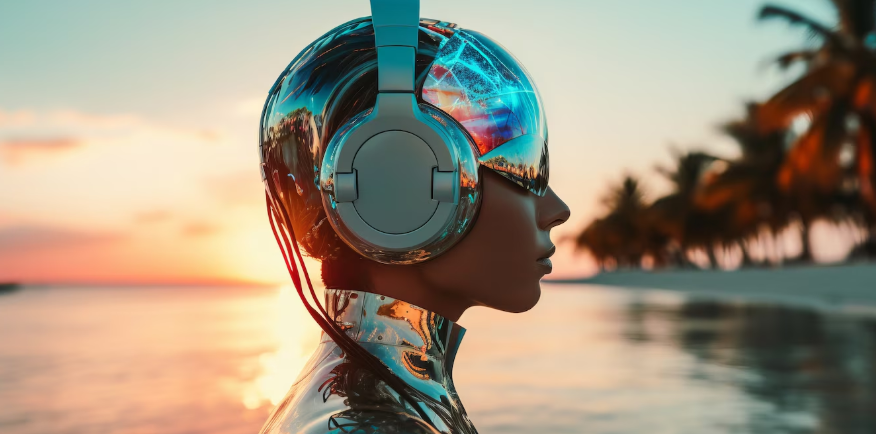
    India’s music industry is known for its diversity, rooted in centuries of tradition and a vast array of cultural expressions. From classical ragas to modern Bollywood scores, India’s musical spectrum is wide and deep. But now, a new element is reshaping this landscape—Artificial Intelligence (AI). The integration of AI into the creative process is not replacing artists; it’s enhancing their work. In the Indian music scene, this collaboration between human ingenuity and machine precision is opening up exciting new frontiers.

    In this blog, we explore how human-AI collaboration is revolutionizing the creation, production, and distribution of music in India. Whether you’re an independent artist, a music producer, or simply a fan of Indian music, you’ll discover how technology is enriching the industry. Learn more about musical innovation at A3Tunes.


    Things to Know Before Exploring AI’s Role in Indian Music

    Before diving into current trends, it’s essential to understand the broader ecosystem of music in India and the growing capabilities of AI in creative industries.


    India’s Diverse Music Landscape

    Indian music isn’t monolithic. It includes classical forms like Hindustani and Carnatic, devotional bhajans, regional folk, and contemporary genres like indie pop and electronic. This diversity requires adaptive tools and personalized approaches for different musical styles.

    Understanding this variety helps appreciate why AI needs to be versatile. The collaboration isn’t about one-size-fits-all; it’s about enhancing unique artistic expressions across different musical forms.


    Rise of AI in Creative Arts

    AI tools are now capable of composing melodies, analyzing lyrics, and even mastering audio. Globally, musicians are using AI to experiment with new sounds, automate repetitive tasks, and gain data-driven insights into listener preferences.

    In India, this trend is emerging quickly. From apps that help with raga recognition to platforms that assist with mixing and mastering, AI is becoming an indispensable studio companion. Learn how A3Tunes features are designed to support these creative workflows.


    Human Creativity Still Leads

    AI can suggest chord progressions or generate instrumental tracks, but the soul of music—its emotion, context, and cultural relevance—still relies on human input. Musicians bring the inspiration and narrative that AI tools help execute more efficiently.

    This partnership is not about replacing composers or performers. It’s about expanding their toolkit and enabling them to reach new creative heights.


    Importance of Data and Algorithms

    Behind every AI tool is a dataset. In music, these datasets might include thousands of audio clips, lyrics, or genre classifications. The quality and cultural relevance of these inputs directly affect the usefulness of the AI output.

    India’s multilingual and multicultural complexity demands locally relevant data models. Companies like A3Tunes are beginning to recognize this and tailor tools specifically for Indian musical contexts.


    Accessibility and Democratization

    Perhaps one of the most promising aspects of AI is its ability to level the playing field. Independent musicians with limited access to high-end studios can now use AI-powered tools for composing, editing, and promoting their work.

    AI doesn’t just support creativity—it democratizes it. In India, where access to music technology can be uneven, this can significantly empower grassroots talent.


    AI-Assisted Composition and Lyric Writing

    AI platforms like Amper, AIVA, and MuseNet are making their way into India’s music circles. They can generate music based on mood, genre, and tempo, helping composers prototype ideas quickly.

    Indian artists use these tools to create rough drafts, explore unconventional scales, and even experiment with fusion genres by blending classical ragas with EDM beats.


    Smart Music Production and Audio Engineering

    AI simplifies the production process. Tools can now mix tracks, identify noise inconsistencies, and auto-tune vocals with a level of precision that saves both time and cost.

    Indian studios are increasingly adopting AI-powered plugins for mastering music across different languages and formats. This ensures a professional sound regardless of budget. Learn more about A3Tunes pricing for production solutions built around these capabilities.


    Music Recommendation and Personalization

    Streaming services like Gaana, JioSaavn, and Spotify rely heavily on AI for content curation. These algorithms learn from user behavior to recommend tracks tailored to individual tastes.

    In India, where regional preferences vary widely, personalized music discovery powered by AI ensures that local artists find the right audience and vice versa.


    Revival of Classical and Folk Forms

    AI is also being used to archive and analyze traditional music. Tools can identify patterns in ragas or folk tunes, aiding in preservation and reinterpretation.

    Projects across India are using AI to restore old recordings, map musical genealogies, and even create new compositions inspired by historical data.


    Real-Time Feedback for Musicians

    Learning apps now use AI to provide real-time feedback on singing and instrument performance. These tools help students correct pitch, rhythm, and pronunciation.

    In India’s remote regions, such applications bridge the gap between aspiring musicians and professional training, making education more accessible.


    Why Choose A3Tunes for AI-Powered Music Innovation?

    A3Tunes combines musical tradition with cutting-edge AI to create tools that are culturally nuanced and artist-friendly. Whether you’re an established composer or a student, their platform provides resources to innovate without losing the essence of Indian music.

    With services spanning composition support, audio mastering, and algorithm-driven insights, A3Tunes is helping shape the future of Indian music through ethical, empowering AI integration. Explore our AI music tools or contact us to learn more.


    Conclusion

    AI is not here to replace the artist; it’s here to collaborate. In India’s music industry, this collaboration enhances the creative process, streamlines production, and broadens access to resources.

    As human and machine continue to co-create, the result is a richer, more inclusive, and future-ready Indian music scene. With platforms like A3Tunes leading the charge, artists of all backgrounds can harness technology to tell their stories in new and resonant ways. Dive deeper in the A3Tunes blog for more perspectives.


    FAQs

    How is AI used in Indian music today?
    AI assists in composition, mastering, recommendation, and music education.

    Does AI replace musicians?
    No. It enhances their capabilities and supports faster, richer creativity.

    What makes A3Tunes unique?
    Their tools are designed for Indian music styles, supporting both modern and traditional genres. Learn more in their FAQ section.

    Can AI help revive traditional music?
    Yes, through analysis, restoration, and reinterpretation of classical forms.

    How accessible are AI tools to indie artists?
    Very. Many tools are affordable or free, lowering barriers to professional production.

    Is AI used in Indian music streaming?
    Yes. Platforms use AI to personalize user experiences and music discovery.

    Can AI support multilingual music?
    With the right datasets, AI can adapt to various Indian languages and dialects.

    Are AI tools accurate for classical Indian music?
    They’re improving rapidly, especially with culturally informed datasets.

    How can I start using AI in music?
    Explore platforms like A3Tunes or global tools like AIVA and Amper to begin.

    What’s the future of AI in Indian music?
    A hybrid landscape where tradition meets technology to foster innovation and accessibility. Dive deeper in the A3Tunes blog for more perspectives.

  • AI-Powered Tools for Mixing, Mastering & Sound Design

    AI-Powered Tools for Mixing, Mastering & Sound Design

    In the ever-evolving world of music production, creatives are constantly seeking ways to enhance their sound and streamline their workflows. With the rise of artificial intelligence, the landscape of sound design has undergone a massive transformation. If you’re a producer, musician, or audio engineer aiming to push boundaries and unlock new dimensions in audio quality, AI-powered tools can offer unprecedented advantages in sound design, mixing, and mastering.

    This blog explores the most cutting-edge AI tools revolutionizing the music production industry. We’ll delve into key facts to consider before using these tools, highlight the top AI solutions for various stages of music creation, and explain why A3Tunes is your ideal partner for mastering the art of AI-driven sound design. Let’s dive into a world where creativity meets technology and explore how you can stay ahead of the curve in your audio journey.


    Things to Know Before Using AI for Sound Design

    Before diving into the world of AI in music production, it’s important to understand a few foundational concepts. These factors determine the success and relevance of your AI-assisted workflow and ensure that you’re making informed choices. From understanding AI capabilities to aligning them with your creative needs, each point plays a role in your production experience.


    Understanding How AI Interprets Audio Patterns

    Artificial intelligence in sound design relies heavily on analyzing and interpreting audio waveforms. Algorithms learn from vast libraries of music to identify patterns, genres, instruments, and vocal characteristics. This pattern recognition allows AI tools to simulate human decisions during the mixing or mastering process. Understanding this will help you choose the right tools and use them effectively.

    Secondary keywords: AI audio recognition, waveform analysis

    AI tools like iZotope’s Neutron and Oeksound’s Soothe use machine learning to understand tonal balance, detect audio anomalies, and apply surgical EQ or dynamic processing. Producers who understand how AI “listens” to their tracks can leverage it to make more creative decisions, rather than relying solely on presets.


    Matching AI Tools with Your Genre and Style

    Every genre has unique sound design requirements, and not every AI tool is tailored for all styles. For example, electronic music producers may benefit from AI synths that generate evolving textures, while hip-hop artists might focus on vocal clarity and beat dynamics. Understanding your genre’s needs ensures your AI choices align with your artistic vision.

    Secondary keywords: genre-specific sound tools, AI music genre matching

    Tools like LANDR and AIVA cater to different musical aesthetics. When selecting tools, check for features that resonate with your creative style—whether it’s automatic mastering, genre-based EQ suggestions, or intelligent drum sequencing. This way, AI becomes a creative ally rather than a limiting force.


    AI’s Role in Creative Collaboration

    Contrary to the fear that AI might replace creativity, these tools are designed to collaborate with humans rather than take over. They offer intelligent suggestions, identify mix issues, or generate musical ideas, but you remain the creative decision-maker. Viewing AI as a co-producer will help you harness its full potential.

    Secondary keywords: AI collaboration, human-AI creative synergy

    Take tools like Amper Music or Orb Composer—they generate initial ideas based on your inputs but leave room for customization. They’re ideal for sparking inspiration or building foundational ideas that you can later sculpt into polished tracks.


    Limitations of AI in Artistic Interpretation

    While AI excels in technical tasks, it can’t replace emotional depth or cultural context in music. Sound design that requires subtle emotional cues, experimental soundscapes, or improvisational energy often exceeds AI’s current capabilities. Being aware of these limits will help you use AI judiciously.

    Secondary keywords: emotional sound design, artistic boundaries of AI

    No AI can truly understand the emotional intent behind a melancholic violin solo or the raw energy of a live punk performance. These moments still demand human touch, intuition, and cultural understanding—elements AI may never fully grasp.


    Data Privacy and Cloud-Based AI Tools

    Most AI tools function via cloud processing, which means your raw audio files are uploaded to external servers for analysis and feedback. While this offers processing power and convenience, it also introduces privacy concerns. Knowing how your data is handled is essential.

    Secondary keywords: cloud-based audio tools, audio data privacy

    Before using tools like eMastered or CloudBounce, read their privacy policies. Some may use your files to further train their algorithms unless you opt out. Ensuring your sessions remain confidential is key to maintaining control over your intellectual property. Learn more about secure processes through A3Tunes features.


    Top AI Tools for Sound Design, Mixing & Mastering

    Below are the most innovative and effective AI-powered tools you should explore in your music production journey.


    iZotope Neutron for Intelligent Mixing

    Neutron uses machine learning to analyze your audio tracks and suggest EQ, compression, and transient shaping settings tailored to your mix. Its “Mix Assistant” feature sets a balance between instruments, giving you a strong foundation to fine-tune manually.

    Its spectral shaping capabilities and inter-plugin communication allow instruments to “talk” to each other, preventing frequency clashes. Neutron’s intelligent presets are based on musical genre inputs, making it ideal for any style of music.


    LANDR for Instant Mastering

    LANDR has democratized mastering with its AI-driven approach. Simply upload a mix, select a mastering style, and receive a polished file within minutes. Its algorithms adjust loudness, EQ, and stereo width with genre-appropriate settings.

    It’s great for artists who need quick results or want to test how a mix sounds in a mastered format. While professionals may prefer manual mastering, LANDR is excellent for demos and streaming-ready versions.


    Oeksound Soothe2 for Resonance Suppression

    Soothe2 intelligently detects and suppresses unwanted resonances in vocals, instruments, and even full mixes. It’s a dynamic resonance suppressor that applies EQ changes only when necessary.

    Especially useful on vocals, strings, and high-frequency-heavy sounds, it smooths harshness while preserving clarity. It’s a subtle tool that makes a huge difference in perceived audio quality.


    AIVA for AI Music Composition

    While not directly a mixing or mastering tool, AIVA is an AI music composition assistant that generates harmonic structures, melodies, and progressions based on your style preferences. It’s particularly useful for cinematic or ambient music production.

    Once you generate a base composition, you can import it into your DAW for further production and apply your own sound design using traditional or AI-powered mixing tools.


    Sonible smart:EQ 3 for Frequency Balancing

    smart:EQ 3 analyzes your audio and creates a custom EQ curve to achieve a balanced spectral profile. It’s especially helpful for cleaning up mud, enhancing presence, or balancing mixes in crowded frequency ranges.

    Its group processing features allow multiple tracks to be EQ’d relative to each other, ensuring clarity and space across your entire mix. It also integrates well with most modern DAWs and workflows.


    Why Choose A3Tunes for AI-Driven Sound Production?

    A3Tunes combines human artistry with cutting-edge technology to deliver audio production that stands out. With a deep understanding of both traditional techniques and AI-enhanced workflows, we offer services that capture your creative vision while benefiting from the latest advancements in sound design.

    Whether you’re a solo artist looking to polish a demo or a filmmaker needing cinematic soundscapes, our tailored approach ensures your project gets the attention it deserves. Our use of AI is strategic—supporting your creativity, not replacing it.

    Our clients appreciate the transparency, turnaround speed, and high quality of our services. We also ensure full data privacy and creative ownership in every step. With A3Tunes, you’re not just getting a service—you’re gaining a partner in sonic innovation. Contact us to learn more.


    Conclusion

    AI-powered tools are reshaping the landscape of sound design, making high-level production accessible, efficient, and creatively inspiring. Whether you’re exploring intelligent mixing, smart mastering, or AI-assisted composition, there’s an ever-growing arsenal of tools to elevate your music.

    Yet, the best results come from the synergy of machine precision and human emotion. At A3Tunes, we believe in using the power of AI to amplify your unique voice, not replace it. Our approach ensures your music is both technically sound and emotionally resonant.

    Explore our services today and discover how A3Tunes can help transform your sound—from the first beat to the final master.


    FAQs

    What is sound design in music production?
    Sound design is the process of creating and manipulating audio elements for music or media. It involves shaping tones, textures, and effects to achieve a desired sonic result.

    How does AI help with mixing and mastering?
    AI analyzes audio tracks for balance, clarity, and frequency distribution, then suggests or applies adjustments to optimize the overall mix or master.

    Are AI mixing tools better than human engineers?
    AI tools can offer quick and accurate results, but human engineers provide emotional depth, contextual understanding, and artistic interpretation.

    Can AI replace music producers?
    No, AI supports music producers by automating repetitive tasks and offering suggestions, but it cannot replace human creativity and intuition.

    What is the best AI mastering tool?
    LANDR and eMastered are popular choices for quick and effective AI mastering tailored to your music genre.

    Is AI-generated music copyright-free?
    It depends on the platform. Some AI tools grant you full rights, while others retain ownership or limit usage. Always check the terms.

    How secure are cloud-based AI tools?
    Most reputable tools use encryption and data protection, but it’s wise to review privacy policies to ensure your files remain confidential.

    Can I use AI for live performance sound design?
    Some AI tools can be used in real-time, but latency and processing limitations may affect live usage. Hybrid setups are more common.

    Which DAWs are compatible with AI tools?
    Most AI plugins work with industry-standard DAWs like Ableton Live, Logic Pro, FL Studio, and Cubase.

    Why should I choose A3Tunes for sound design?
    A3Tunes combines professional expertise with the latest AI tools to deliver high-quality, customized audio production that reflects your creative intent. For more resources, visit our FAQ page or read our blog to stay updated.

  • AI for Visuals, Social Media Content & Personalized Fan Engagement

    AI for Visuals, Social Media Content & Personalized Fan Engagement

    In today’s ever-evolving digital music landscape, building meaningful connections with fans requires more than just great music. Artists and content creators must compete for attention in a saturated online space, and that’s where cutting-edge technology like AI is making a powerful entrance. Whether it’s crafting captivating visuals, scheduling high-impact social media posts, or customizing fan experiences, AI is transforming fan engagement into a dynamic and personalized journey.

    If you’re an artist, producer, or music label looking to harness the power of AI, this blog is your blueprint. We’ll explore how AI can revolutionize your visual branding, elevate your social media strategy, and foster genuine relationships with your audience. Discover actionable tips, key AI tools, and strategic benefits that can help you amplify your reach. Ready to future-proof your fan engagement? Let’s dive in.


    What You Need to Know Before Using AI for Fan Engagement

    Before exploring the best AI tools and strategies, it’s essential to understand the foundational aspects of how AI can impact fan engagement. These insights will help you navigate your options and make informed decisions.


    AI’s Role in Modern Music Marketing

    Artificial Intelligence is reshaping music marketing through intelligent automation, predictive analytics, and real-time personalization. It allows artists to analyze fan behaviors, detect content trends, and tailor interactions to resonate emotionally. By leveraging AI, you can unlock smarter decision-making and deeper connections with your fan base.

    Moreover, AI platforms now offer sentiment analysis and data-driven content suggestions, enabling artists to stay relevant and agile. These capabilities are vital in an age where engagement metrics define reach and revenue.

    Learn more about our approach to modern music marketing on the A3Tunes Features page.


    Importance of Visual Consistency and Branding

    Visual storytelling plays a major role in fan loyalty and recall. AI-generated visuals ensure your branding remains cohesive across platforms by automating design elements like album covers, story templates, and thumbnails. AI design tools can maintain your brand aesthetics even as you scale your content output.

    Consistency in design not only builds brand identity but also signals professionalism. A visually cohesive presence increases trust and engagement, especially on image-driven platforms like Instagram and TikTok.

    If you’d like support with building a consistent visual identity, contact A3Tunes today.


    Evolving Expectations from Digital Fans

    Today’s fans seek immersive, interactive, and personalized content. From AI-curated playlists to chatbot-powered DMs, the modern listener expects artists to be digitally savvy. Meeting these expectations requires a mix of creativity and technology.

    AI enables artists to deliver tailored content, whether it’s exclusive visuals for top fans or personalized shout-outs using natural language models. Personalization at scale is now achievable without compromising authenticity.

    Explore how A3Tunes can help you meet these modern expectations through our About page.


    Benefits of Automating Social Content

    Social media automation through AI tools streamlines scheduling, optimizes posting times, and provides insights on engagement patterns. These tools recommend content formats based on performance data, helping you post with precision.

    This not only saves time but also improves consistency. With AI, you can plan months of content, tweak visuals, and optimize captions—all while focusing more on creating music.

    If you’re interested in automating your entire social strategy, see our pricing options for artists.


    Leveraging Data for Better Engagement

    Data-driven fan engagement is no longer optional. AI collects and processes massive amounts of fan data, helping artists understand preferences, engagement spikes, and trending interests. These insights inform content creation, tour planning, and even merchandise designs.

    By acting on real-time data, artists can pivot quickly, align with fan moods, and create moments that resonate. Data-backed content is simply more effective in sustaining long-term engagement.

    Discover more data-driven success stories on our blog.


    Top Ways AI is Revolutionizing Fan Engagement

    Now that we understand the foundations, let’s explore the top ways AI is actively transforming how artists engage with fans in real-world scenarios.


    1. AI-Generated Visual Content for Branding

    AI tools like DALL•E, RunwayML, and Canva AI assist in creating visually stunning content, including album covers, YouTube thumbnails, and IG posts. These tools use prompts and learning algorithms to generate images that align with your style.

    For example, an indie artist can input keywords about their music theme and receive a cohesive set of visuals within minutes. This democratizes high-quality design and ensures visual branding remains consistent and on-trend.


    2. AI for Social Media Automation and Scheduling

    Platforms like Lately AI, Buffer with AI integrations, and Missinglettr analyze previous content performance to schedule future posts for optimal engagement. These tools also suggest captions, hashtags, and even emojis based on audience behavior.

    Artists can plan their releases around audience activity spikes and automate teaser posts, countdowns, and Q&A responses. AI makes it easy to keep the audience engaged without burning out on manual tasks.


    3. AI-Powered Personalized Fan Messaging

    Using tools like ManyChat and MobileMonkey, musicians can deploy AI chatbots that respond to DMs, share exclusive content, or thank fans post-purchase. These bots feel human and offer personalized interactions based on fan preferences.

    This means a fan who streams your album on release day can receive a custom thank-you message and discount code for your merch. Personal touches like this deepen loyalty and emotional connection.


    4. Predictive Analytics for Content Strategy

    AI systems like Amper Music and Chartmetric use data modeling to forecast which type of content or track might perform best based on genre, tempo, and current listener behavior. This predictive capability allows artists to test and refine ideas before launch.

    By understanding what your fans are likely to enjoy, you can create more targeted, impactful content. This leads to higher retention, shares, and fan-driven promotion.


    5. Hyper-Personalized Fan Experiences

    Imagine offering fans custom visual content, remix suggestions, or behind-the-scenes footage curated by AI based on their listening history. Tools like Adobe Sensei and Splice AI enable artists to create bespoke fan journeys.

    These personalized experiences not only delight fans but also turn them into brand ambassadors. In the digital age, the more personalized the experience, the stronger the fan bond.


    Why Choose A3Tunes for Your AI-Powered Fan Engagement Strategy

    A3Tunes specializes in helping artists harness the full power of AI for their branding, social strategy, and fan outreach. Whether you’re an emerging talent or an established act, our tailored solutions help you amplify your presence and deepen fan loyalty.

    From building a consistent visual identity using AI tools to automating your social media calendar, A3Tunes provides all-in-one support. Our team understands music culture, fan psychology, and cutting-edge technology—making us the perfect bridge between creativity and computation.

    Plus, we offer dedicated consultations to help you understand how to use AI tools, train you on automation platforms, and manage your content pipeline. Partnering with A3Tunes means more music, less stress, and fans who stick around for the long haul. Contact us today to learn more.


    Conclusion

    Fan engagement is no longer about generic posts or hit-or-miss campaigns. It’s about using smart technology to deliver consistent, personalized, and emotionally resonant content. AI empowers artists to work faster, market smarter, and build stronger fan relationships.

    Whether you’re experimenting with visual design, automating your posts, or diving into fan data, AI has tools that meet you at every stage. And with a partner like A3Tunes, navigating these innovations becomes seamless and productive. Let AI elevate your artistry—and let A3Tunes help you make it happen.


    FAQs

    1. What is fan engagement and why is it important?
      Fan engagement refers to the interaction and connection between artists and their audience. It’s crucial for building loyalty, promoting music, and creating a sustainable fanbase.
    2. How does AI help in fan engagement?
      AI helps by automating tasks, analyzing fan data, personalizing messages, and creating engaging visuals that resonate with audiences.
    3. Can AI tools replace human creativity in music marketing?
      No, AI supports and enhances human creativity but doesn’t replace the emotional depth and intuition artists bring.
    4. What are the best AI tools for creating visuals?
      Tools like Canva AI, DALL•E, and RunwayML are excellent for producing professional visuals quickly.
    5. How does predictive analytics work in music marketing?
      It uses AI to analyze data trends and predict what type of content or release strategy is likely to succeed.
    6. Are AI chatbots effective for fan messaging?
      Yes, AI chatbots can deliver timely, personalized messages that improve fan satisfaction and loyalty.
    7. What platforms support AI-driven social media automation?
      Lately AI, Buffer with AI features, and Missinglettr are popular platforms used for automated scheduling.
    8. Is AI affordable for indie artists?
      Many AI tools offer free or low-cost plans suitable for indie artists and smaller teams.
    9. How can A3Tunes help with AI integration?
      A3Tunes offers strategy development, tool training, and content automation services tailored for artists.
    10. Where can I start with AI for fan engagement?
      Start by identifying your goals, then consult A3Tunes to pick the right tools and plan a customized strategy. Or explore more insights on our blog.
  • Generative Music: AI as a New Creative Frontier

    Generative Music: AI as a New Creative Frontier

    Introduction

    Imagine a world where you can co-create a musical masterpiece with an algorithm. Whether you’re a seasoned composer or a bedroom producer, AI-generated music opens a new realm of possibilities. From soundscapes built on machine learning to beats crafted in seconds, artists are redefining their creative boundaries with artificial intelligence. The AI-Generated Music revolution isn’t a distant future; it’s already shaping the music industry today.

    This blog will take you deep into the fascinating world of generative music. We’ll explore what AI-generated music means, how it works, the tools leading the movement, and the benefits and controversies surrounding it. For artists and producers looking to stay ahead of the curve, now is the time to embrace this next-gen technology. Discover how A3Tunes can support your creative journey with the latest in AI music tools. Explore our AI music services.


    Key Concepts to Understand Before Diving into Generative Music

    Before we dive into the tools and applications of AI-generated music, it’s essential to grasp the foundational concepts. Understanding how AI interprets musical data, the ethics involved, and its evolving role in creativity can help artists make informed decisions when exploring this new landscape.


    What is Generative Music?

    Generative music refers to compositions that are created in whole or in part by autonomous systems such as algorithms or AI. These systems analyze massive datasets of music and apply patterns to generate original compositions.

    Unlike traditional music production, generative systems can continuously evolve, offering real-time improvisation or infinite variations. This is a significant step forward in how music can be conceptualized and created in the digital age.


    Machine Learning and Music Generation

    AI-generated music relies heavily on machine learning models like Recurrent Neural Networks (RNNs), GANs (Generative Adversarial Networks), and transformers. These models learn from thousands of tracks, styles, and patterns to generate unique outputs.

    The sophistication of these models has reached a point where they can mimic genres, composers, or even create hybrid styles. This level of personalization and complexity is opening up new creative dimensions.

    If you’d like help integrating these technologies, contact A3Tunes for support.


    Ethical and Legal Implications

    One of the main concerns with AI-generated music is authorship. Who owns the composition—the algorithm, the programmer, or the user? This legal gray area continues to evolve as more AI-generated works enter commercial use.

    Additionally, the question of originality arises. Since AI trains on existing compositions, there are concerns about copyright infringement. Artists must be mindful when using generative tools for public releases.

    Read more about protecting your music on our FAQ page.


    The Role of Human Creativity

    Despite the technological advancements, AI doesn’t replace human emotion, intuition, or cultural understanding. Instead, it acts as a collaborative partner, augmenting the artist’s vision.

    Many musicians now view AI as a tool—like a synthesizer or sampler—that enhances rather than replaces creativity. This synergy is key to producing impactful, emotionally resonant work.

    Discover how A3Tunes helps blend human artistry with AI on our About page.


    Accessibility and Democratization of Music Production

    AI-generated music tools are making high-quality music production accessible to a broader audience. Tools like Amper Music and Soundraw allow anyone to create tracks without traditional music training.

    This democratization is fostering a new wave of indie producers and content creators who can now compete with professional studios thanks to AI-driven solutions.

    If you’re curious about affordable options, visit our pricing page.


    Top Tools and Platforms for AI-Generated Music

    Amper Music for Royalty-Free AI Compositions

    Amper Music is a leading platform offering royalty-free AI-generated music tailored to user input. You choose the mood, genre, and tempo, and Amper delivers custom compositions.

    Its intuitive interface makes it ideal for content creators, filmmakers, and podcasters looking for quick, high-quality background scores without needing extensive production skills.


    AIVA: AI Composer for Classical and Modern Genres

    AIVA (Artificial Intelligence Virtual Artist) is built for creating emotional compositions across classical, cinematic, and contemporary genres. It’s used by professionals for film scores, ads, and gaming.

    Artists can edit compositions note by note, combining AI suggestions with personal touches—offering the perfect blend of technology and human input.


    Soundraw for Custom Loop Creation

    Soundraw allows users to generate music loops and full tracks tailored to their content. It’s particularly useful for video producers and streamers looking for background tracks with unique styles.

    Soundraw continuously updates its AI engine with new patterns and styles, keeping compositions fresh and diverse for frequent creators.


    Google’s Magenta Studio for Experimental Musicians

    Magenta Studio, built by Google’s Brain Team, is a suite of music plugins for experimenting with AI in Ableton Live. It includes tools like Continue, Generate, and Interpolate to enhance MIDI-based compositions.

    It’s ideal for experimental artists and producers who want to dive deep into the mechanics of generative music while retaining granular control.


    Boomy for Instant Track Publishing

    Boomy is an end-to-end platform where users can create, publish, and monetize AI-generated music. It’s targeted at creators who want to share their music across Spotify, Apple Music, and more.

    The platform offers revenue sharing and allows customization, enabling even amateur users to break into the professional scene with minimal resources.


    Why Should You Choose A3Tunes for AI Music Solutions?

    A3Tunes is at the forefront of blending art and algorithms. Our AI-generated music solutions cater to independent artists, media houses, content creators, and brands looking to explore innovative soundscapes.

    We provide tailored AI music tools, training modules, licensing support, and integration with your DAWs (Digital Audio Workstations). Whether you’re composing your first AI track or looking to scale music production, our solutions are built to evolve with your creative needs. Start your AI music journey with us here.


    Conclusion

    AI-generated music is not just a trend—it’s a transformative tool reshaping how we think about music creation. For artists in India and worldwide, it presents new creative freedoms and challenges alike. The future belongs to those who embrace these tools with open minds and creative intent.

    Whether you’re using AI to sketch out new ideas or generate full-fledged compositions, now is the time to experiment, innovate, and redefine your sonic identity. With platforms like A3Tunes guiding your exploration, the possibilities are truly endless.


    FAQs

    What is AI-generated music?
    AI-generated music refers to compositions created using artificial intelligence algorithms that analyze and replicate musical patterns.

    Can AI replace human musicians?
    No. AI enhances creativity but lacks emotional depth and cultural nuance. It’s best used as a tool in collaboration with human artists.

    Are AI-generated tracks royalty-free?
    Some platforms offer royalty-free options, but always check licensing terms before commercial use.

    Do I need music training to use AI tools?
    No. Many platforms are user-friendly and designed for creators with no formal music background.

    Is AI music legal to use commercially?
    Yes, if you follow the platform’s licensing terms. However, ownership and copyright laws are still evolving.

    What are the best AI tools for beginners?
    Amper Music, Boomy, and Soundraw are great starting points for newcomers to generative music.

    Can AI compose in any genre?
    Yes. Most AI platforms support multiple genres from EDM and pop to classical and ambient.

    How does A3Tunes support AI musicians?
    A3Tunes provides tools, consulting, and support for artists exploring generative music, including training and integration services.

    Will using AI affect my musical identity?
    It can expand your identity by offering new styles and ideas, but your creative vision remains central.

    How do I get started with A3Tunes AI services?
    Visit A3Tunes to explore our offerings or book a free consultation. For more reading, check our blog.

  • Generative Music: AI-Driven Creativity and New Frontiers for Artists

    Generative Music: AI-Driven Creativity and New Frontiers for Artists

    In an era where creativity is increasingly blended with technology, artists are discovering new ways to experiment and innovate. One of the most exciting frontiers in this space is AI-generated music—a transformative shift in how songs are composed, produced, and even consumed. Imagine a world where artificial intelligence becomes your co-composer, effortlessly creating musical ideas that inspire your next hit. Whether you’re a solo artist, a music producer, or a content creator, this intersection of tech and artistry offers a fresh, limitless playground for musical exploration.

    This blog will take a deep dive into AI-generated music: what it is, how it works, and why it’s capturing the attention of musicians around the world. You’ll learn about its potential for expanding your creative range, optimizing production workflows, and even personalizing music for different audiences. If you’re intrigued by the future of music and want to know how AI can empower your artistic journey, read on. Visit A3Tunes to explore tools and platforms that bring AI music innovation to your fingertips.


    Understanding the Basics of AI-Generated Music

    Before diving into its applications, it’s essential to grasp what AI-generated music entails. This section covers foundational concepts and technologies that make it possible.


    What is AI-Generated Music?

    AI-generated music refers to compositions created or assisted by artificial intelligence algorithms. These algorithms can analyze existing musical data to generate melodies, harmonies, rhythms, and even full arrangements. Using machine learning and neural networks, AI tools mimic the styles of various artists or invent entirely new musical patterns.

    From pop to classical and experimental sounds, AI is becoming a powerful assistant in every genre. Unlike traditional music composition, which requires years of training, AI tools democratize the process, enabling even novices to produce professional-sounding tracks with minimal effort.


    How Machine Learning Powers AI Music

    At the heart of AI-generated music lies machine learning—a technology that enables software to learn from large datasets of existing music. Tools like recurrent neural networks (RNNs) and transformers can identify patterns in rhythm, melody, and structure, then use that knowledge to generate new compositions.

    For instance, OpenAI’s MuseNet and Google’s Magenta are examples of AI models trained on thousands of musical pieces. These platforms generate original compositions or adapt existing ones, offering artists a new layer of inspiration. AI is not just imitating music; it is intelligently contributing to the creative process.


    Common Tools and Platforms for AI Music Generation

    Several platforms are making AI-generated music more accessible to artists. Tools like AIVA, Amper Music, and Ecrett Music allow users to generate background scores, song structures, and even full tracks tailored to their preferred mood or genre.

    Each tool provides unique features—some are ideal for film scoring, while others excel at creating loop-based music for games or content creation. Integrating such platforms with your existing Digital Audio Workstation (DAW) can significantly enhance your production workflow.


    AI Music in the Commercial Space

    AI-generated music is not limited to amateur experimentation; it’s gaining traction in commercial applications. Brands use AI compositions for advertising, while video game developers implement them for dynamic in-game soundtracks. Musicians, too, are starting to release tracks co-created with AI.

    This commercial uptake validates AI music as a legitimate and innovative tool in the industry. Its scalability and adaptability make it ideal for projects requiring quick turnaround without compromising on quality or originality. Learn more about how A3Tunes supports this space in their features section.


    Legal and Ethical Considerations in AI Music

    One of the key concerns around AI-generated music is authorship and copyright. Who owns a track created by AI? What happens when AI mimics a famous artist’s style? These questions are prompting legal frameworks to evolve alongside technology.

    Understanding these issues is crucial for artists who intend to publish or monetize AI-generated works. Platforms like A3Tunes provide insights into ethical AI music use, helping you stay compliant while pushing creative boundaries.


    Top 5 Benefits of AI-Generated Music for Artists

    Now that we’ve explored the fundamentals, let’s look at how AI-generated music can elevate your artistic process. Each of the following benefits outlines a compelling reason to consider integrating AI into your music production toolkit.


    1. Boosts Creative Inspiration with New Musical Ideas

    Sometimes, creativity hits a wall. AI-generated music offers fresh motifs, rhythms, and textures that can reignite inspiration. By generating multiple versions of a melody or experimenting with unfamiliar genres, artists can break free from creative blocks.

    This makes AI an excellent brainstorming partner. It doesn’t replace human creativity; it enhances it, acting as a springboard for new musical directions you might not have otherwise explored.


    2. Streamlines Music Production Workflows

    Producing music involves multiple stages—composing, arranging, mixing, and mastering. AI tools can assist in many of these areas, significantly speeding up the workflow. For example, AI-driven mastering services can polish your track in minutes.

    This efficiency is particularly beneficial for independent musicians and content creators working on tight schedules. With AI, artists can focus more on creative expression and less on technical bottlenecks.


    3. Expands Genre Exploration and Fusion

    Ever wanted to experiment with jazz-infused electronic or classical hip-hop? AI-generated music enables seamless genre blending by analyzing and merging characteristics from different musical styles.

    This opens up new creative territories for artists willing to step outside conventional boundaries. By using AI tools that support genre mixing, you can discover entirely new musical identities for your brand.


    4. Personalizes Music for Target Audiences

    AI can analyze listener preferences and create music tailored to specific moods, demographics, or even individual users. This personalization enhances engagement, making AI-generated music a powerful tool for content marketing or fan engagement.

    Imagine releasing multiple versions of a song—one more upbeat for younger audiences, another more mellow for older listeners—all created using AI. The possibilities for audience connection are vast.


    5. Reduces Costs in Music Production

    Hiring session musicians, renting studios, and post-production services can add up quickly. AI-generated music tools drastically reduce these costs by offering high-quality, royalty-free compositions that artists can use and modify.

    For budget-conscious artists and independent labels, this is a game changer. With platforms like A3Tunes, you can produce broadcast-ready music at a fraction of traditional costs.


    Why Choose A3Tunes for AI-Generated Music Solutions?

    When it comes to exploring AI-generated music, A3Tunes stands out as a premier platform. Their tools are designed not only to simplify music creation but also to inspire and elevate artists across genres. A3Tunes provides intuitive interfaces, powerful AI engines, and a library of customizable templates to kickstart your projects.

    Additionally, A3Tunes ensures legal compliance, offering clear guidelines on copyright and licensing. Their platform supports integration with popular DAWs and includes tutorials to help artists of all skill levels. Whether you’re a hobbyist or a seasoned professional, A3Tunes offers the resources you need to make AI music a core part of your creative journey.

    Visit A3Tunes today to learn how their platform can help you innovate, produce, and share music in exciting new ways.


    Conclusion

    AI-generated music is more than a trend; it’s a transformative force reshaping the music industry. By leveraging AI tools, artists can access a new dimension of creativity, streamline their workflows, and produce music that’s not only high in quality but also personalized and innovative. While there are challenges—especially legal and ethical ones—the opportunities far outweigh the concerns for those ready to embrace this creative revolution.

    Platforms like A3Tunes make it easier than ever to dive into AI music. Whether you’re producing for personal passion, professional projects, or commercial use, integrating AI into your process can yield fresh, compelling results. As technology continues to evolve, so too will the capabilities of AI music. The future is now—start composing it. For more resources, check out the A3Tunes blog.

  • Writing Songs That Sell: How to Secure Your Music and Reputation Online

    Writing Songs That Sell: How to Secure Your Music and Reputation Online

    The music industry has changed dramatically in the last decade, offering more freedom and exposure to independent artists. But with this freedom comes the challenge of safeguarding your work. If you’re writing song lyrics, melodies, or full compositions as a freelancer, understanding your rights has never been more critical.

    As streaming platforms dominate music consumption, independent artists need to be proactive. In this blog, we’ll break down everything you should know about protecting your songwriting content, building your reputation, and ensuring fair compensation. Stick with us to learn how to secure your creative future and grow your brand. Explore A3 Tunes services for professional music assistance.


    Key Things to Know Before Protecting Your Music and Reputation

    Before diving into song protection strategies, independent artists must understand the legal and practical basics. Below are crucial points to grasp.


    Copyright Laws for Independent Songwriters

    Copyright laws are your first line of defense when writing song content. They automatically protect your original work once it’s created and fixed in a tangible form. This includes recordings, written lyrics, or digital files.

    For independent artists, registering your copyright with official bodies strengthens your legal standing. It makes pursuing infringement claims easier, ensuring your rights over your songwriting content are enforceable globally.

    If you’d like guidance on how to protect your compositions, contact A3 Tunes for personalized assistance.


    Understanding Publishing Rights

    Publishing rights determine how your song generates income, whether through radio plays, streaming, or covers by other artists. As an independent artist, knowing your share of these rights is essential.

    Always have clear contracts when collaborating, defining your ownership percentage. This prevents future disputes and ensures you’re compensated when your songs gain traction.

    Learn more about publishing rights management through A3 Tunes.


    Royalties and Revenue Streams

    Revenue from your music comes in various forms—mechanical royalties, performance royalties, and synchronization fees. Each represents a slice of your income pie.

    Independent artists should affiliate with collection agencies like BMI, ASCAP, or local equivalents. These organizations track your songs’ usage and collect royalties on your behalf, maximizing your earnings. Learn how A3 Tunes can support your royalty management efforts.


    The Role of Split Sheets

    Split sheets outline how royalties and credits are divided among collaborators. They are essential for every songwriting session, ensuring fair distribution.

    Independent artists must discuss and sign split sheets upfront. This prevents confusion later, especially when songs reach streaming platforms or get licensed.


    Protecting Digital Music Files and Your Reputation

    Your song files—demos, masters, and stems—are valuable assets. Storing them securely prevents unauthorized use or leaks, protecting your creative work and your reputation.

    Use cloud services with encryption, watermark your demos, and limit file-sharing to trusted collaborators. Digital security is crucial to protecting both your music and your public image.

    If you’d like to understand how to strengthen your digital security, get in touch with A3 Tunes.


    Essential Ways to Secure Your Music and Reputation in the Streaming Era

    Protecting your music isn’t a one-time task—it’s an ongoing process. Below are actionable ways to secure your rights and reputation.


    Register Your Copyrights Immediately

    The first step after writing song material is registering your work with a copyright office. This grants legal recognition and simplifies defending your ownership.

    In many regions, digital platforms like the U.S. Copyright Office or equivalents in your country allow online registration. Don’t delay—early registration prevents future legal complications and protects your professional reputation.


    Use Digital Distribution with Ownership Control

    Many independent artists use aggregators like DistroKid or TuneCore to release music. These platforms distribute your songs to Spotify, Apple Music, and more.

    Choose services that let you retain 100% of your rights. Read agreements carefully to avoid hidden ownership clauses that could compromise your control and your brand.

    Learn more about A3 Tunes as a trusted partner to help you retain ownership during distribution.


    Join Performing Rights Organizations (PROs)

    PROs track song performances and collect royalties. As an independent songwriter, joining one is crucial to ensure you get paid for radio plays, live performances, and streaming.

    Organizations like BMI, ASCAP, PRS, or SOCAN operate worldwide. Affiliating with the right PRO safeguards your income and tracks your song’s global reach, reinforcing your industry reputation.


    Secure Contracts for Collaborations

    Collaborations are common when writing song projects, but verbal agreements aren’t enough. Formal contracts define ownership, credit, and payment terms.

    Always outline specifics—percentages, publishing splits, and usage rights—in written agreements. This prevents misunderstandings, protects your creative contributions, and ensures your reputation remains intact.

    If you need help setting up proper contracts, A3 Tunes can assist.


    Monitor Your Music with Tracking Tools

    Online tools like SoundExchange or Songtrust help track how your songs are used. These platforms collect digital performance royalties and ensure fair payouts.

    Regular monitoring reveals unauthorized uses and helps you take corrective action quickly. Staying vigilant protects your rights, income, and professional reputation.


    Why Choose A3 Tunes to Support Your Songwriting Journey

    Navigating the complexities of the music industry alone can be overwhelming. That’s where A3 Tunes steps in—offering end-to-end support for independent artists writing song projects.

    Our platform connects you with expert producers, helps manage publishing rights, and provides resources to safeguard your music. We simplify the legalities so you can focus on creating. With A3 Tunes, your songs get the protection and exposure they deserve. You can also contact us for a customized consultation.


    Conclusion

    Writing songs that sell offers creative freedom and income potential, but it demands proactive protection. From registering copyrights to securing royalties, safeguarding your work ensures long-term success.

    Partner with trusted platforms like A3 Tunes to simplify the process. Protect your music, build your reputation, and thrive in the competitive music landscape. For more guides, visit our blog.


    FAQs

    Do I need to copyright every song I write?
    Yes, registering each song strengthens your legal rights and simplifies defending ownership claims.

    What are mechanical royalties?
    Mechanical royalties are payments for song reproductions—physical or digital—including downloads and streams.

    Can independent artists join PROs?
    Absolutely. PROs like BMI, ASCAP, or international equivalents welcome independent songwriters to track and collect royalties.

    Are split sheets legally binding?
    Yes, when signed by all collaborators, split sheets serve as enforceable agreements outlining royalty divisions.

    How do I prevent song leaks?
    Secure digital files with encryption, use trusted cloud services, and limit sharing to verified partners.

    What happens if someone uses my song without permission?
    Registered copyrights allow you to take legal action—cease-and-desist notices or infringement claims—to protect your work.

    Do digital distributors take ownership of my songs?
    Reputable platforms let you retain full rights, but always read agreements to confirm your ownership remains intact.

    What is synchronization licensing?
    It’s the use of your song in visual media—films, ads, games—for which you receive synchronization fees.

    Is it expensive to register a copyright?
    Fees vary by country, but the cost is minimal compared to the legal protection and income security it provides.

    How can A3 Tunes help protect my songs?
    A3 Tunes offers resources, legal support, and connections to manage your music rights and ensure your songs are safeguarded globally. For more details, see our FAQ.

  • Why Every Independent Artist Must Protect Their Songwriting Content

    Why Every Independent Artist Must Protect Their Songwriting Content

    The music industry has changed dramatically in the last decade, offering more freedom and exposure to independent artists. But with this freedom comes the challenge of safeguarding your work. If you’re writing song lyrics, melodies, or full compositions as a freelancer, understanding your rights has never been more critical.

    As streaming platforms dominate music consumption, independent artists need to be proactive. In this blog, we’ll break down everything you should know about protecting your songwriting content, getting the right credit, and ensuring fair compensation. Stick with us to learn how to secure your creative future. Explore A3 Tunes services for professional music assistance.


    Key Things to Know Before Protecting Your Songwriting Content

    Before diving into song protection strategies, independent artists must understand the legal and practical basics. Below are crucial points to grasp.


    Copyright Laws for Independent Songwriters

    Copyright laws are your first line of defense when writing song content. They automatically protect your original work once it’s created and fixed in a tangible form. This includes recordings, written lyrics, or digital files.

    For independent artists, registering your copyright with official bodies strengthens your legal standing. It makes pursuing infringement claims easier, ensuring your rights over your songwriting content are enforceable globally.

    If you’d like to understand how to protect your works even further, get in touch with us.


    Understanding Publishing Rights

    Publishing rights determine how your song generates income, whether through radio plays, streaming, or covers by other artists. As an independent artist, knowing your share of these rights is essential.

    Always have clear contracts when collaborating, defining your ownership percentage. This prevents future disputes and ensures you’re compensated when your songs gain traction.

    Learn more about publishing support with A3 Tunes.


    Royalties and Revenue Streams

    Revenue from your music comes in various forms—mechanical royalties, performance royalties, and synchronization fees. Each represents a slice of your income pie.

    Independent artists should affiliate with collection agencies like BMI, ASCAP, or local equivalents. These organizations track your songs’ usage and collect royalties on your behalf, maximizing your earnings. Learn how A3 Tunes can help you manage your royalties effectively.


    The Role of Split Sheets

    Split sheets outline how royalties and credits are divided among collaborators. They are essential for every songwriting session, ensuring fair distribution.

    Independent artists must discuss and sign split sheets upfront. This prevents confusion later, especially when songs reach streaming platforms or get licensed.


    Protecting Digital Music Files

    Your song files—demos, masters, and stems—are valuable assets. Storing them securely prevents unauthorized use or leaks.

    Use cloud services with encryption, watermark your demos, and limit file-sharing to trusted collaborators. Digital security is crucial to protecting your work. If you need support in setting up secure workflows, contact A3 Tunes.


    Essential Ways to Protect Your Songwriting Content in the Streaming Era

    Protecting your music isn’t a one-time task—it’s an ongoing process. Below are actionable ways to secure your rights.


    Register Your Copyrights Immediately

    The first step after writing song material is registering your work with a copyright office. This grants legal recognition and simplifies defending your ownership.

    In many regions, digital platforms like the U.S. Copyright Office or equivalents in your country allow online registration. Don’t delay—early registration prevents future legal complications.


    Use Digital Distribution with Ownership Control

    Many independent artists use aggregators like DistroKid or TuneCore to release music. These platforms distribute your songs to Spotify, Apple Music, and more.

    Choose services that let you retain 100% of your rights. Read agreements carefully to avoid hidden ownership clauses that could compromise your control.

    You can also explore A3 Tunes solutions to help you stay in control of your music.


    Join Performing Rights Organizations (PROs)

    PROs track song performances and collect royalties. As an independent songwriter, joining one is crucial to ensure you get paid for radio plays, live performances, and streaming.

    Organizations like BMI, ASCAP, PRS, or SOCAN operate worldwide. Affiliating with the right PRO safeguards your income and tracks your song’s global reach.


    Secure Contracts for Collaborations

    Collaborations are common when writing song projects, but verbal agreements aren’t enough. Formal contracts define ownership, credit, and payment terms.

    Always outline specifics—percentages, publishing splits, and usage rights—in written agreements. This prevents misunderstandings and protects your creative contributions.

    If you’d like professional guidance on drafting agreements, reach out to us.


    Monitor Your Music with Tracking Tools

    Online tools like SoundExchange or Songtrust help track how your songs are used. These platforms collect digital performance royalties and ensure fair payouts.

    Regular monitoring reveals unauthorized uses and helps you take corrective action quickly. Staying vigilant protects your rights and income. If you want expert help with this, contact us here.


    Why Choose A3 Tunes to Support Your Songwriting Journey

    Navigating the complexities of the music industry alone can be overwhelming. That’s where A3 Tunes steps in—offering end-to-end support for independent artists writing song projects.

    Our platform connects you with expert producers, helps manage publishing rights, and provides resources to safeguard your music. We simplify the legalities so you can focus on creating. With A3 Tunes, your songs get the protection and exposure they deserve.


    Conclusion

    Writing songs as an independent artist offers creative freedom, but it demands proactive protection. From registering copyrights to securing royalties, safeguarding your work ensures long-term success.

    Partner with trusted platforms like A3 Tunes to simplify the process. Protect your music, secure your income, and thrive in the streaming era. For more helpful guides, check out our blog.


    FAQs

    Do I need to copyright every song I write?
    Yes, registering each song strengthens your legal rights and simplifies defending ownership claims.

    What are mechanical royalties?
    Mechanical royalties are payments for song reproductions—physical or digital—including downloads and streams.

    Can independent artists join PROs?
    Absolutely. PROs like BMI, ASCAP, or international equivalents welcome independent songwriters to track and collect royalties.

    Are split sheets legally binding?
    Yes, when signed by all collaborators, split sheets serve as enforceable agreements outlining royalty divisions.

    How do I prevent song leaks?
    Secure digital files with encryption, use trusted cloud services, and limit sharing to verified partners.

    What happens if someone uses my song without permission?
    Registered copyrights allow you to take legal action—cease-and-desist notices or infringement claims—to protect your work.

    Do digital distributors take ownership of my songs?
    Reputable platforms let you retain full rights, but always read agreements to confirm your ownership remains intact.

    What is synchronization licensing?
    It’s the use of your song in visual media—films, ads, games—for which you receive synchronization fees.

    Is it expensive to register a copyright?
    Fees vary by country, but the cost is minimal compared to the legal protection and income security it provides.

    How can A3 Tunes help protect my songs?
    A3 Tunes offers resources, legal support, and connections to manage your music rights and ensure your songs are safeguarded globally. For more details, see our FAQ.

  • Freelance Songwriting: Protecting Your Rights in Streaming Era

    Freelance Songwriting: Protecting Your Rights in Streaming Era

    The music industry has changed dramatically in the last decade, offering more freedom and exposure to independent artists. But with this freedom comes the challenge of safeguarding your work. If you’re writing song lyrics, melodies, or full compositions as a freelancer, understanding your rights has never been more critical.

    As streaming platforms dominate music consumption, freelancers need to be proactive. In this blog, we’ll break down everything you should know about protecting your music, getting the right credit, and ensuring fair compensation. Stick with us to learn how to secure your creative future. Explore A3 Tunes services for professional music assistance.


    Key Things to Know Before Protecting Your Songs

    Before diving into song protection strategies, freelancers must understand the legal and practical basics. Below are crucial points to grasp.


    Copyright Laws for Freelance Songwriters

    Copyright laws are your first line of defense when writing song content. They automatically protect your original work once it’s created and fixed in a tangible form. This includes recordings, written lyrics, or digital files.

    For freelancers, registering your copyright with official bodies strengthens your legal standing. It makes pursuing infringement claims easier, ensuring your rights over your songs are enforceable globally.

    If you want personalized support for copyright or publishing, contact us here.


    Understanding Publishing Rights

    Publishing rights determine how your song generates income, whether through radio plays, streaming, or covers by other artists. As a freelancer, knowing your share of these rights is essential.

    Always have clear contracts when collaborating, defining your ownership percentage. This prevents future disputes and ensures you’re compensated when your songs gain traction.

    A3 Tunes can help guide you through understanding and managing your publishing rights.


    Royalties and Revenue Streams

    Revenue from your music comes in various forms—mechanical royalties, performance royalties, and synchronization fees. Each represents a slice of your income pie.

    Freelancers should affiliate with collection agencies like BMI, ASCAP, or local equivalents. These organizations track your songs’ usage and collect royalties on your behalf, maximizing your earnings. Learn how A3 Tunes supports royalty management.


    The Role of Split Sheets

    Split sheets outline how royalties and credits are divided among collaborators. They are essential for every songwriting session, ensuring fair distribution.

    Freelancers must discuss and sign split sheets upfront. This prevents confusion later, especially when songs reach streaming platforms or get licensed.


    Protecting Digital Music Files

    Your song files—demos, masters, and stems—are valuable assets. Storing them securely prevents unauthorized use or leaks.

    Use cloud services with encryption, watermark your demos, and limit file-sharing to trusted collaborators. Digital security is crucial to protecting your work.

    If you’d like assistance in securing your song assets, reach out to us.


    Essential Ways to Protect Your Songs in the Streaming Era

    Protecting your music isn’t a one-time task—it’s an ongoing process. Below are actionable ways to secure your rights.


    Register Your Copyrights Immediately

    The first step after writing song material is registering your work with a copyright office. This grants legal recognition and simplifies defending your ownership.

    In many regions, digital platforms like the U.S. Copyright Office or equivalents in your country allow online registration. Don’t delay—early registration prevents future legal complications.


    Use Digital Distribution with Ownership Control

    Many freelancers use aggregators like DistroKid or TuneCore to release music. These platforms distribute your songs to Spotify, Apple Music, and more.

    Choose services that let you retain 100% of your rights. Read agreements carefully to avoid hidden ownership clauses that could compromise your control.

    For more guidance on distribution best practices, visit A3 Tunes.


    Join Performing Rights Organizations (PROs)

    PROs track song performances and collect royalties. As a freelance songwriter, joining one is crucial to ensure you get paid for radio plays, live performances, and streaming.

    Organizations like BMI, ASCAP, PRS, or SOCAN operate worldwide. Affiliating with the right PRO safeguards your income and tracks your song’s global reach.


    Secure Contracts for Collaborations

    Collaborations are common when writing song projects, but verbal agreements aren’t enough. Formal contracts define ownership, credit, and payment terms.

    Always outline specifics—percentages, publishing splits, and usage rights—in written agreements. This prevents misunderstandings and protects your creative contributions.

    If you need help drafting these agreements, connect with us.


    Monitor Your Music with Tracking Tools

    Online tools like SoundExchange or Songtrust help track how your songs are used. These platforms collect digital performance royalties and ensure fair payouts.

    Regular monitoring reveals unauthorized uses and helps you take corrective action quickly. Staying vigilant protects your rights and income. If you want guidance, contact A3 Tunes.


    Why Choose A3 Tunes to Support Your Freelance Music Journey

    Navigating the complexities of the music industry alone can be overwhelming. That’s where A3 Tunes steps in—offering end-to-end support for freelancers writing song projects.

    Our platform connects you with expert producers, helps manage publishing rights, and provides resources to safeguard your music. We simplify the legalities so you can focus on creating. With A3 Tunes, your songs get the protection and exposure they deserve.


    Conclusion

    Writing songs as a freelancer offers creative freedom, but it demands proactive protection. From registering copyrights to securing royalties, safeguarding your work ensures long-term success.

    Partner with trusted platforms like A3 Tunes to simplify the process. Protect your music, secure your income, and thrive in the streaming era. For more tips, check our blog.


    FAQs

    1. Do I need to copyright every song I write?
      Yes, registering each song strengthens your legal rights and simplifies defending ownership claims.
    2. What are mechanical royalties?
      Mechanical royalties are payments for song reproductions—physical or digital—including downloads and streams.
    3. Can freelancers join PROs?
      Absolutely. PROs like BMI, ASCAP, or international equivalents welcome freelance songwriters to track and collect royalties.
    4. Are split sheets legally binding?
      Yes, when signed by all collaborators, split sheets serve as enforceable agreements outlining royalty divisions.
    5. How do I prevent song leaks?
      Secure digital files with encryption, use trusted cloud services, and limit sharing to verified partners.
    6. What happens if someone uses my song without permission?
      Registered copyrights allow you to take legal action—cease-and-desist notices or infringement claims—to protect your work.
    7. Do digital distributors take ownership of my songs?
      Reputable platforms let you retain full rights, but always read agreements to confirm your ownership remains intact.
    8. What is synchronization licensing?
      It’s the use of your song in visual media—films, ads, games—for which you receive synchronization fees.
    9. Is it expensive to register a copyright?
      Fees vary by country, but the cost is minimal compared to the legal protection and income security it provides.
    10. How can A3 Tunes help protect my songs?
      A3 Tunes offers resources, legal support, and connections to manage your music rights and ensure your songs are safeguarded globally. For more details, see our FAQ.
  • The Role of AI in Writing Songs and Protecting Music Content Online

    The Role of AI in Writing Songs and Protecting Music Content Online

    The idea of artificial intelligence (AI) stepping into the realm of writing songs was once the stuff of science fiction. Now, it is a reality reshaping the way musicians, producers, and creators think about making music. Whether you’re a budding songwriter, an established artist, or a curious listener, understanding how AI influences the music writing process can unlock new creative opportunities and improve how we protect original compositions in the digital age. AI tools can suggest lyrics, generate melodies, and even assist with mastering, revolutionizing the traditional songwriting workflow.

    In this blog, we will explore how AI is being used in writing songs, the specific technologies involved, and the implications for music rights and online content protection. We will also provide actionable insights into how artists can use these tools effectively while safeguarding their work. Whether you’re exploring AI tools for creativity or looking to protect your music content online, A3Tunes offers powerful solutions for artists navigating this new digital landscape. Explore our AI-driven music tools.


    Key Concepts to Understand Before Using AI for Songwriting

    Before diving into how AI can write songs or protect content, it’s crucial to understand the foundational aspects that make this innovation possible. These include data training models, ethical concerns, music copyright law, creative collaboration, and user accessibility.


    Understanding Data Training Models in Music AI

    Most AI systems used for writing songs are trained on large datasets of existing music, lyrics, and compositions. This training allows the AI to recognize patterns, styles, and structures commonly found in music. Understanding this is essential because the quality of AI-generated content heavily depends on the diversity and quality of the training data.

    These data models form the basis for AI’s ability to mimic genres, emotional tones, and lyrical themes. Secondary keywords like “music dataset AI” and “AI song pattern recognition” are vital when choosing a tool that aligns with your artistic goals. The better the training data, the more original and context-aware the AI becomes.


    Ethical Concerns in AI-Based Songwriting

    As AI continues to shape songwriting, ethical questions arise. Who owns the rights to a song created with AI? Is it fair to use datasets containing other artists’ work without explicit permission? These questions are central to the future of AI in music creation and copyright law.

    Musicians must consider transparency and fairness. Keywords such as “AI copyright ethics” and “music creation accountability” point to growing debates within the industry. Addressing these concerns ensures ethical and legal music production practices while using AI. If you have questions about these concerns, please contact us.


    Copyright Law and AI Compositions

    When AI contributes significantly to songwriting, the line between human and machine authorship becomes blurred. Current copyright laws often lag behind technological advances, creating a gray area in AI-generated music rights. Understanding these limitations is key to protecting your creative output.

    Artists should familiarize themselves with “AI music copyright policy” and “ownership of AI-generated songs.” These secondary keywords help navigate the legal challenges involved, especially as lawmakers and industry leaders strive to define clearer boundaries for AI contributions. For more resources, check our FAQ section.


    Creative Collaboration Between Humans and AI

    AI is not meant to replace human creativity but rather to enhance it. When used thoughtfully, it can serve as a collaborative partner in writing songs, providing inspiration or variations that might not have occurred otherwise. The synergy between human emotion and machine intelligence can yield unique musical results.

    This collaboration often involves using AI to brainstorm lyrics, compose melodies, or even remix existing tracks. Phrases like “AI lyric assistant” and “creative AI music tools” describe how humans and machines can co-create music while maintaining a personal touch.


    Accessibility and Democratization of Music Creation

    AI is democratizing songwriting by making powerful tools accessible to more people, regardless of musical training. This levels the playing field, allowing new voices to emerge and diverse genres to flourish. Accessibility is a major benefit, particularly for independent and emerging artists.

    Secondary keywords such as “AI music platform access” and “songwriting without training” highlight the inclusive nature of AI-driven tools. Whether you’re an amateur or a professional, AI opens new pathways to creativity and content protection. Learn more about these capabilities.


    Ways AI is Being Used in Writing Songs


    AI Lyric Generation Tools

    One of the most common uses of AI in songwriting is automated lyric generation. Tools like A3Tunes’ AI songwriter use language models trained on vast lyrical databases to produce verses, choruses, and bridges based on mood, genre, or theme.

    These tools help overcome writer’s block or provide fresh perspectives for developing a song. Keywords like “automated songwriting” and “lyric AI assistant” are popular in searches for these services. It’s not just about speed—it’s also about sparking creativity.


    Melodic and Harmonic Composition

    AI can also generate melodies, harmonies, and chord progressions based on user input. These compositions often align with a particular style or emotional tone, offering a foundation for further refinement by human musicians.

    This process is valuable for producers looking for a base melody or testing different harmonic structures. Keywords include “AI melody generator” and “automatic music composition,” reflecting this rapidly growing niche.


    Genre-Based Songwriting Algorithms

    AI tools can specialize in creating songs that mimic specific genres, such as pop, rock, EDM, or hip hop. By analyzing genre-specific patterns, these tools can help artists maintain stylistic consistency or explore new sounds.

    Artists use genre-aligned AI to diversify their musical portfolios or streamline production workflows. Look for terms like “genre-specific AI music” and “AI-generated EDM songs” when researching these solutions.


    Real-Time Music Collaboration Platforms

    Several platforms now offer real-time collaboration features powered by AI. These allow multiple users to contribute to a track simultaneously while the AI assists with structure, key, and harmony suggestions.

    This enables efficient remote collaboration and quick iteration cycles. Secondary keywords include “collaborative AI DAWs” and “real-time AI music creation,” indicating the fusion of teamwork and machine learning.


    Voice-to-Music and Text-to-Tune AI Interfaces

    Advanced tools now let users input vocal recordings or written text, which the AI then turns into full musical compositions. This is especially useful for artists who excel in one area (e.g., lyrics) but lack skills in instrumentation or arrangement.

    This innovation empowers creators to transform basic inputs into polished works. Search for “voice-to-song AI” and “text-based songwriting tools” to explore this feature.


    Online Music Protection Through AI


    AI-Powered Copyright Detection

    Protecting music content online is a growing concern. AI-driven copyright detection systems can scan digital platforms to identify unauthorized uses of original music. This ensures that creators maintain control over their content.

    These systems are crucial for independent artists. Terms like “AI copyright scanner” and “automated music detection” relate to tools that track song usage across streaming services and social media.


    Blockchain and Music Ownership

    Some AI tools integrate blockchain to timestamp music files and record authorship details, offering transparent proof of ownership. This is an emerging method for asserting rights and preventing disputes over originality.

    This combination of AI and blockchain is revolutionizing how music rights are managed. Keywords include “blockchain music protection” and “AI ownership tracking.”


    Watermarking and Audio Fingerprinting

    AI can embed digital watermarks into music tracks—imperceptible to listeners but traceable by detection tools. Audio fingerprinting enables unique song identification even when the content is altered.

    These technologies help artists combat piracy and unauthorized distribution. Look for “AI audio watermarking” and “music fingerprinting tech” to learn more.


    Digital Rights Management Systems

    AI enhances digital rights management (DRM) by automating license tracking and content access control. This supports scalable music distribution while preserving ownership integrity.

    Artists benefit from terms like “AI digital licensing” and “automated rights enforcement,” which relate to managing and monetizing content.


    Content Removal and Takedown Automation

    Some platforms use AI to automate takedown requests when unauthorized content is detected. This speeds up the removal process and helps creators reclaim control over their music.

    This is especially important for independent musicians without legal teams. Keywords include “AI DMCA takedown” and “automated content protection.”


    Why Choose A3Tunes for AI-Powered Music Creation

    A3Tunes stands out by offering user-friendly tools that integrate cutting-edge AI to empower musicians at every level. Whether you’re looking to experiment with songwriting or secure your music online, our platform supports you from idea to execution.

    Our AI lyric assistant, melody generator, and protection suite ensure that your creative efforts are not only enhanced but also safeguarded. With features tailored for artists of all backgrounds, A3Tunes provides both innovation and peace of mind in the rapidly evolving music industry. Start your creative journey today by exploring our pricing plans.


    Conclusion

    The integration of AI into the world of songwriting and music protection is transforming how we create, share, and defend our art. As we’ve explored, AI offers tools that enhance creativity, simplify production, and reinforce copyright in a digital world that moves fast and often without clear rules.

    A3Tunes empowers artists to embrace these technologies responsibly and creatively. Whether you need help writing songs, generating melodies, or protecting your content online, our AI-powered platform provides all-in-one support tailored for today’s musicians. Dive into the future of music with confidence—start using AI tools that respect your creativity and amplify your voice. For more helpful resources, visit our blog.


    FAQs

    What is AI songwriting?
    AI songwriting involves using artificial intelligence tools to generate lyrics, melodies, or full compositions based on specific input or datasets.

    Can AI completely write a song on its own?
    Yes, AI can write full songs, but human input often enhances creativity, emotional depth, and originality.

    How does AI protect music online?
    Through copyright detection, watermarking, blockchain authentication, and automated takedowns, AI helps safeguard music content.

    Is it legal to use AI for songwriting?
    Yes, but it’s important to understand copyright implications, especially regarding AI-generated content.

    Are AI-generated songs copyrighted?
    This depends on jurisdiction; generally, human authorship is required for copyright, but evolving laws are starting to address this.

    How can beginners use AI for songwriting?
    Platforms like A3Tunes make AI songwriting tools accessible and user-friendly, perfect for beginners and professionals alike.

    What genres can AI compose music in?
    AI can replicate many genres, including pop, rock, EDM, hip hop, and more.

    What are the limitations of AI in music?
    AI lacks emotional intuition and may struggle with highly original or abstract concepts.

    Can AI help with music marketing?
    Yes, some tools also offer promotional insights or help match content to audiences via data-driven strategies.

    Where can I try AI songwriting tools?
    Visit A3Tunes.com to explore a suite of AI-powered music tools.